Can You Get Dental Implants If You Have Gum Disease?

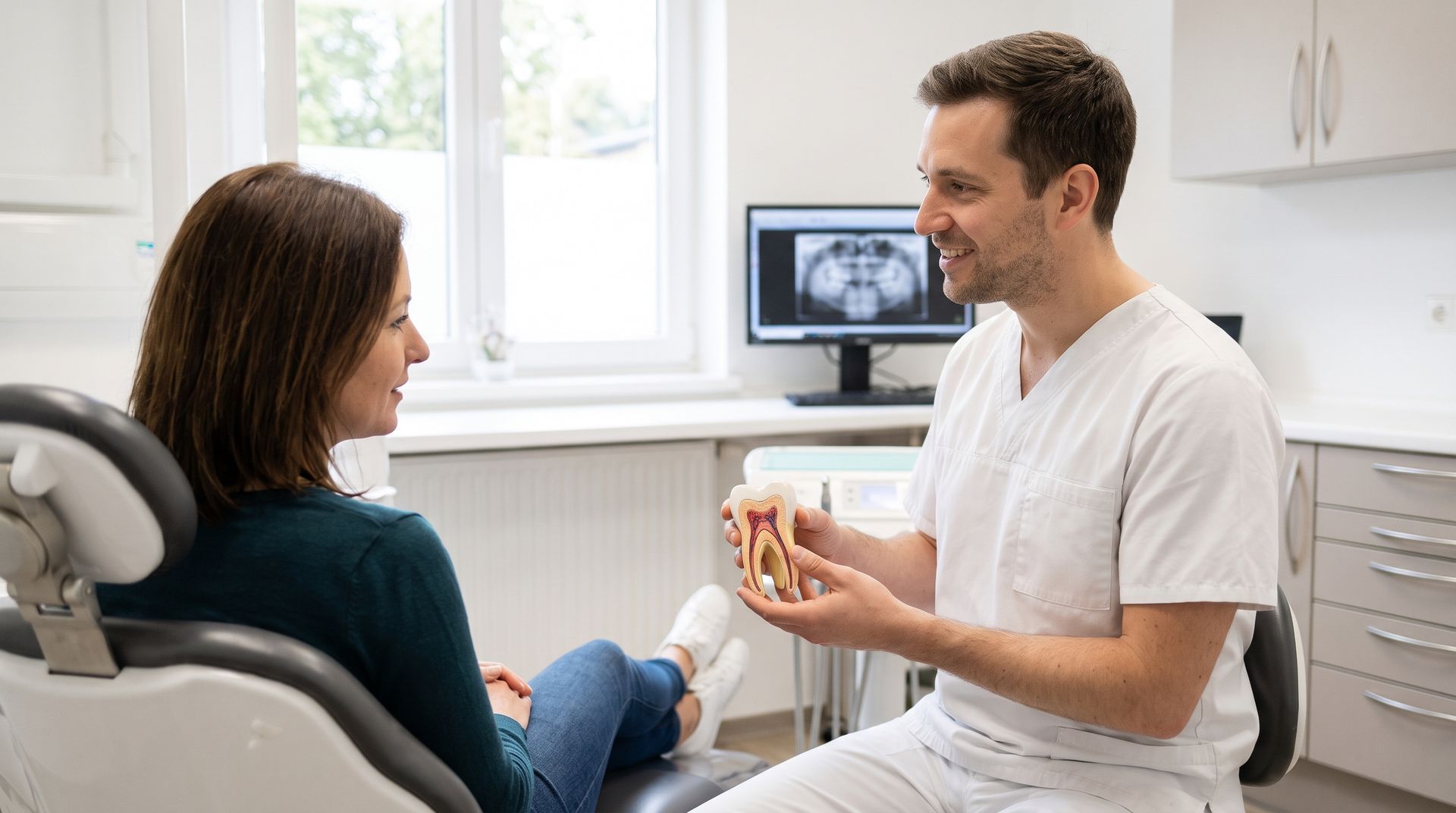
West Valley Dental places and restores dental implants in our Tukwila office, so patients do not have to be sent to a specialist for implant treatment. Dr. Kuzi Hsue has almost 30 years of experience and has completed extensive continuing education in implant dentistry, and our team also treats gum disease every day. Because so many people lose teeth to gum disease in the first place, this is one of the most common questions we hear at implant consultations. This guide explains when implants are possible, what has to happen first, and how to protect them afterward.
Quick Answer: You can usually get dental implants if you have had gum disease, but not while it is active and untreated. Gum infection needs to be brought under control first, typically with deep cleaning and periodontal care, because placing an implant into an infected mouth raises the risk of failure. A history of periodontitis is also a recognized risk factor for peri-implantitis, the gum and bone infection that can affect implants, so patients with past gum disease need excellent home care and regular professional maintenance after their implants are placed. If gum disease has caused bone loss, a bone graft may be needed before or during implant placement.
In This Guide
- Why Gum Disease Matters for Implants: The connection.
- Gum Disease Stages and Implant Readiness: Where you stand.
- Treating Gum Disease Before Implants: The first steps.
- When Gum Disease Has Caused Bone Loss: Grafting and options.
- Same-Day Implants After Extraction: When it works.
- Full-Arch Options: After advanced disease.
- Peri-Implantitis: The Risk to Know: Gum disease around implants.
- Protecting Implants After Gum Disease: Long-term care.
- Other Factors That Affect Success: Smoking, diabetes, and more.
- What the Process Looks Like: Step by step.
- Questions to Ask: At your consultation.
- Implant Consultations in Tukwila: Get evaluated.
- Frequently Asked Questions: Quick answers.
Why Gum Disease Matters for Implants
Implants Depend on Healthy Bone and Gums
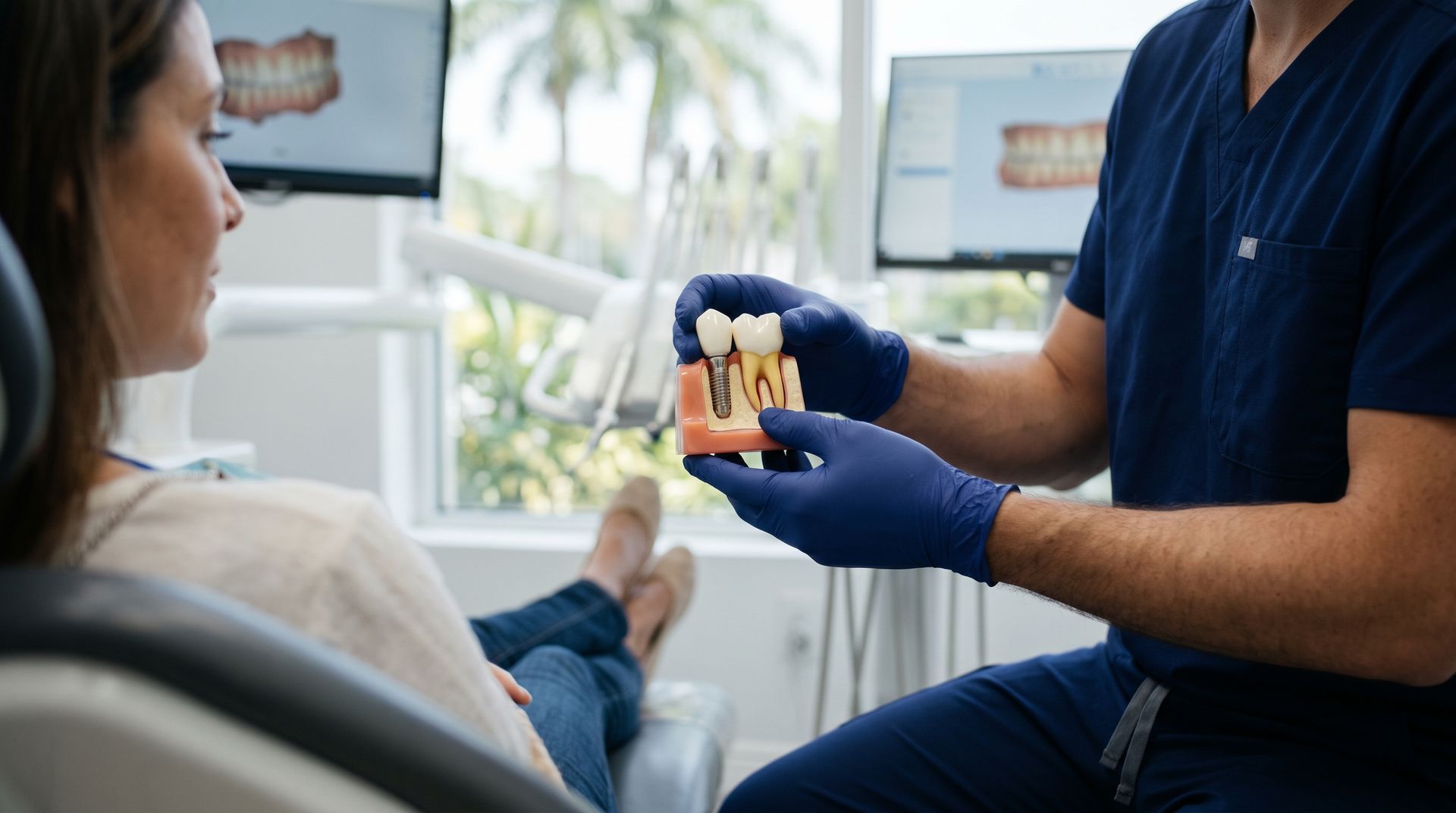
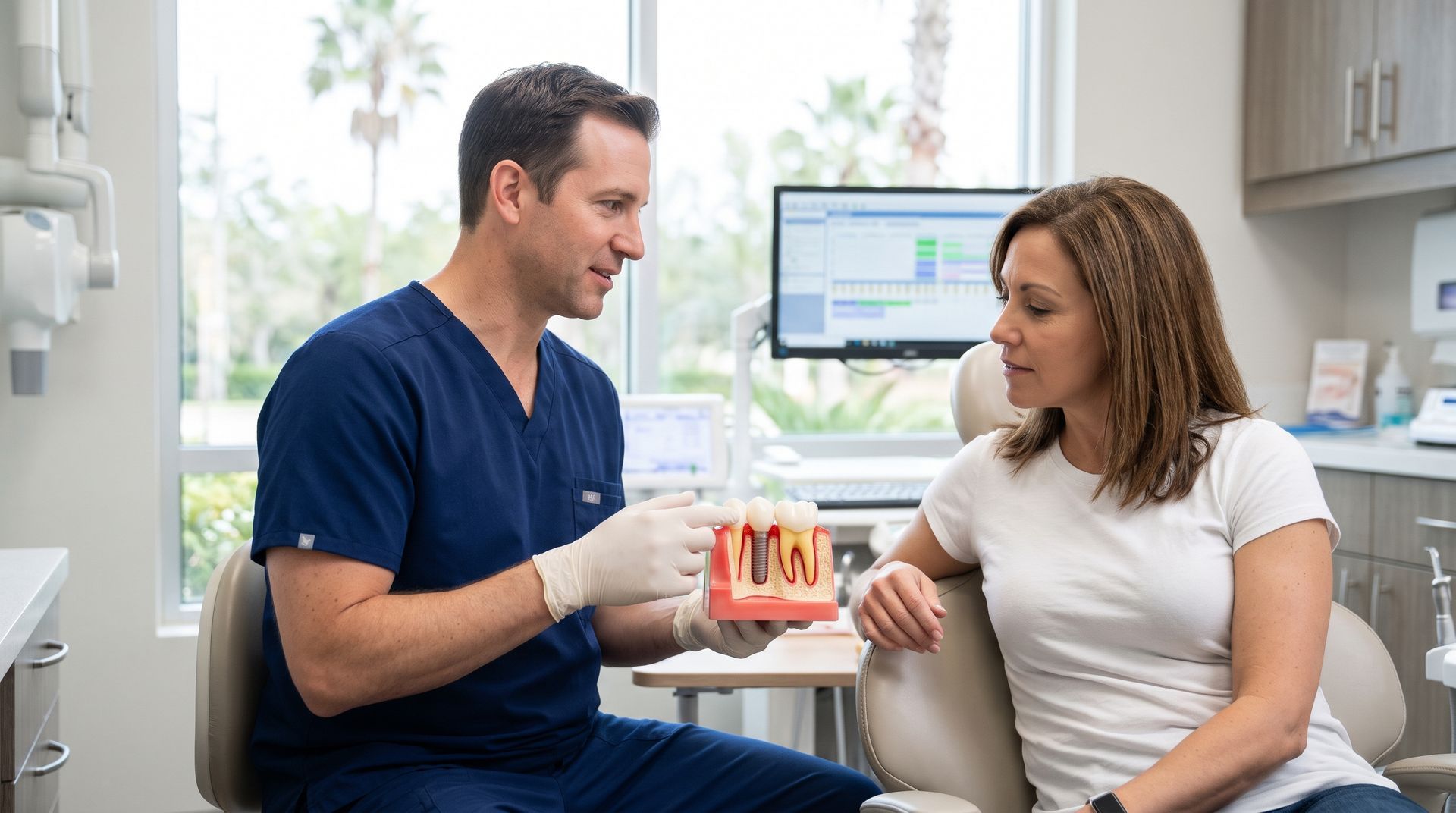
A dental implant is a titanium post that fuses with the jawbone. The gum tissue around it forms a seal that keeps bacteria out. Active gum disease means bacteria, inflammation, and often bone loss in exactly the tissues an implant depends on.
The Same Bacteria Can Attack Implants
The bacteria that cause gum disease around natural teeth can also cause inflammation and bone loss around implants. If gum disease is still active elsewhere in the mouth, those bacteria can colonize a new implant.
Gum Disease Is a Common Reason Teeth Are Missing
Advanced gum disease is a leading cause of tooth loss in adults. That means many patients who want implants are also patients who have had, or still have, gum problems. Our guide to
the stages of gum disease explains how it progresses.
Gum Disease Stages and Implant Readiness
| Gum Condition | What It Means | Implant Readiness |
|---|---|---|
| Healthy gums | No bleeding, shallow pockets, stable bone | Ready for implant evaluation |
| Gingivitis | Gum inflammation without bone loss; reversible | Usually treated quickly with cleanings and better home care first |
| Early to moderate periodontitis | Pockets and some bone loss around teeth | Needs periodontal treatment and a stable healing period first |
| Advanced periodontitis | Deep pockets, significant bone loss, loose teeth | Treat infection, remove hopeless teeth, assess bone; grafting is often needed |
| Treated and stable periodontitis | Disease under control with regular maintenance | Implants are often possible with a strong maintenance plan |
The key word is stable. Implants are planned once gum health is under control and staying that way, not while inflammation is still active.
Treating Gum Disease Before Implants
Deep Cleaning
Scaling and root planing, often called deep cleaning, removes tartar and bacteria from below the gumline and smooths root surfaces so gums can reattach. Our gum disease treatments page explains what to expect.
Removing Teeth That Cannot Be Saved
Teeth with severe bone loss or infection may need to be extracted. Removing them also removes a source of bacteria that could threaten future implants.
Reevaluation
After treatment, we recheck pocket depths, bleeding, and bone levels to confirm the gums are healing and the infection is controlled.
Ongoing Maintenance
Patients with a history of periodontitis usually need more frequent cleanings, often every three to four months, rather than twice a year. That schedule continues after implants are placed.
When Gum Disease Has Caused Bone Loss
Why Bone Loss Changes the Plan
Periodontitis destroys the bone around teeth. After those teeth are lost or removed, the bone may be too thin or short to hold an implant securely.
Bone Grafting
A bone graft adds material to rebuild the jawbone so an implant can be placed. Small grafts can sometimes be done at the same time as the implant, while larger ones may need several months to heal first.
Sinus Lifts for Upper Back Teeth
In the upper back jaw, bone loss combined with an enlarged sinus may require a sinus lift to add height before implants.
Options That Need Less Bone
In some cases,
mini dental implants, implant-supported dentures, or full-arch approaches such as
All-on-4
can reduce or avoid extensive grafting. Our comparison of
mini vs. traditional implants explains the trade-offs.
Can You Get an Implant the Same Day as an Extraction?
Infection Usually Means Waiting
When a tooth is removed because of advanced gum disease or infection, the socket often has inflamed tissue and damaged bone. In those cases, the safer approach is usually to remove the tooth, clean the site, possibly place a graft, and let it heal before placing the implant.
When Immediate Placement May Work
If the gums are healthy, there is no active infection at the site, and enough bone remains, an implant can sometimes be placed right after an extraction. Our guide to
same-day dental implants explains who tends to qualify.
Full-Arch Options After Advanced Gum Disease
When Most Teeth Are Affected
Some patients have lost or will lose most of their teeth in an arch to periodontitis. Replacing each tooth with its own implant is rarely necessary in those cases.
Implant-Supported Dentures and Fixed Bridges
Two to four implants can hold a denture firmly in place, and four or more can support a fixed full-arch bridge. These approaches can use the strongest remaining bone and often need less grafting. Our pages on implant-supported dentures and dentures vs. implants explain the choices.
Hygiene Still Comes First
Full-arch restorations need daily cleaning underneath and regular professional maintenance, especially for patients with a history of gum disease.
Peri-Implantitis: The Risk to Know
What It Is
Peri-implantitis is inflammation around an implant that leads to loss of the supporting bone. It starts as peri-implant mucositis, which is gum inflammation around the implant without bone loss and is often reversible with treatment.
Why Gum Disease History Matters
According to the 2017 World Workshop on the Classification of Periodontal and Peri-Implant Diseases, there is strong evidence that people with a history of periodontitis have a higher risk of developing peri-implantitis. Poor plaque control and not keeping up with regular maintenance also raise the risk.
Warning Signs
- Bleeding when brushing or flossing around the implant.
- Red or swollen gums around the implant crown.
- Pus or a bad taste near the implant.
- Gum recession that exposes more of the implant.
- Looseness or a change in bite, which can signal advanced bone loss.
Our guide to
signs of dental implant failure covers these symptoms in more detail.
Protecting Implants After Gum Disease
Daily Cleaning
Brush twice a day with a soft brush, clean around each implant with floss made for implants, interdental brushes, or a water flosser, and follow any rinse your dentist recommends.
Professional Maintenance
Regular periodontal maintenance visits let our hygienists clean around implants with instruments that will not scratch them, measure the gums, and check bone levels on X-rays.
Act Early on Symptoms
Mucositis caught early is often reversible. Waiting until an implant feels loose usually means significant bone has already been lost.
Protect Against Grinding
Heavy grinding or clenching adds stress to implants. A night guard can help protect them.
Other Factors That Affect Implant Success
- Smoking and vaping, which reduce blood flow and raise the risk of both gum disease and implant problems.
- Diabetes, which affects healing and gum health, especially when blood sugar is not well controlled.
- Dry mouth from medications, which allows bacteria to build up faster.
- Grinding and clenching, which overload implants and the bone around them.
- Missed cleanings, which let plaque and inflammation return.
- Certain medications, including some bone medications, which should be reviewed before surgery.
What the Process Looks Like
- Consultation and exam. We evaluate your gums, measure pockets, take X-rays, and review your health history.
- Gum disease treatment. Deep cleaning and any needed extractions bring the infection under control.
- Healing and reevaluation. We confirm your gums are stable before moving forward.
- Bone grafting if needed. Rebuilding bone where gum disease caused loss.
- Implant placement. The implant is placed in our office, and it fuses with the bone over several months. Our guide to the dental implant procedure steps walks through this stage.
- Final restoration. A crown, bridge, or denture is attached to the implant.
- Maintenance. Regular periodontal maintenance visits protect your gums and implants long term.
Our
dental implant recovery timeline explains what healing feels like after surgery.
Questions to Ask at Your Implant Consultation
- Is my gum disease active right now, or is it stable?
- Do any teeth need to come out before implants?
- Will I need a bone graft or sinus lift, and when?
- How long should I wait between gum treatment and implant surgery?
- How often will I need periodontal maintenance after my implants are placed?
- What should I watch for at home that could signal a problem?
Implant Consultations in Tukwila
If you have gum disease or have lost teeth to it, an evaluation will show whether your gums are ready for implants and what steps come first. Because we treat gum disease and place implants in the same office, your care stays coordinated from start to finish. Learn more about our dental implant services and sedation options.
Call West Valley Dental at (206) 388-2262 or
contact us online. We are located at 15668 W Valley Hwy in Tukwila and serve Renton, Kent, SeaTac, Burien, and South Seattle.

Frequently Asked Questions
Can you get dental implants if you have gum disease?
Usually yes, but only after the gum disease is treated and stable. Implants should not be placed while gum infection is active.
Does gum disease make dental implants fail?
Active gum disease raises the risk of implant problems, and a history of periodontitis increases the risk of peri-implantitis. Good home care and regular maintenance lower that risk significantly.
How long after gum disease treatment can I get implants?
It depends on how quickly your gums heal and whether bone grafting is needed. Many patients need a few weeks to months after treatment before implants are placed.
Can implants get gum disease?
Implants cannot decay, but the gums and bone around them can become inflamed and infected. This is called peri-implant mucositis and, when bone is lost, peri-implantitis.
Do I need a bone graft if I lost teeth to gum disease?
Often, because periodontitis destroys bone. A 3D evaluation and X-rays show whether there is enough bone or whether grafting is needed first.