Do Dental Implants Hurt During Surgery and Recovery

Most patients are surprised by how little dental implant surgery hurts. During the procedure, local anesthesia numbs the area completely, so you feel pressure and vibration but not pain, and sedation is available if you feel anxious. Afterward, soreness, swelling, and tenderness are normal and usually peak in the first two to three days, then fade steadily over about a week. Many patients describe it as similar to or easier than having a tooth pulled, and most manage with over-the-counter pain relievers. Pain that gets worse after the third day, swelling that returns, or fever are not normal and should be checked.
West Valley Dental is a family and implant practice at 15668 West Valley Highway in Tukwila, led by Dr. Kuzi Hsue, who earned his DDS from the University of Washington in 1991 and has completed advanced training in dental implants and oral surgery, including Hiossen implant training. We place and restore implants for patients from Tukwila, Renton, Kent, Burien, SeaTac, and South Seattle and offer sedation options for nervous patients. This guide focuses on pain: what you will feel, how much it usually hurts, what affects it, and how to stay comfortable.
In This Guide
- What You Feel During Implant Surgery: Numbing, pressure, and sedation.
- How Much Implants Hurt Afterward: A day-by-day pain guide.
- How Implant Pain Compares to Other Procedures: Putting it in perspective.
- What Makes Implant Surgery Hurt More or Less: Grafts, extractions, and more.
- Managing Pain at Home: What works.
- Does Getting the Crown Hurt?: The later steps.
- Normal Discomfort vs. Warning Signs: When to call.
- If You Are Nervous About Pain: Comfort options.
- Upper vs. Lower Implants: Location and comfort.
- Same-Day and Mini Implants: How they compare.
- Tips to Make Recovery More Comfortable: Before and after surgery.
- Frequently Asked Questions: Quick answers.


What You Feel During Implant Surgery
The surgery itself is usually the part patients worry about most, and it is often the easiest part.
Local Anesthesia
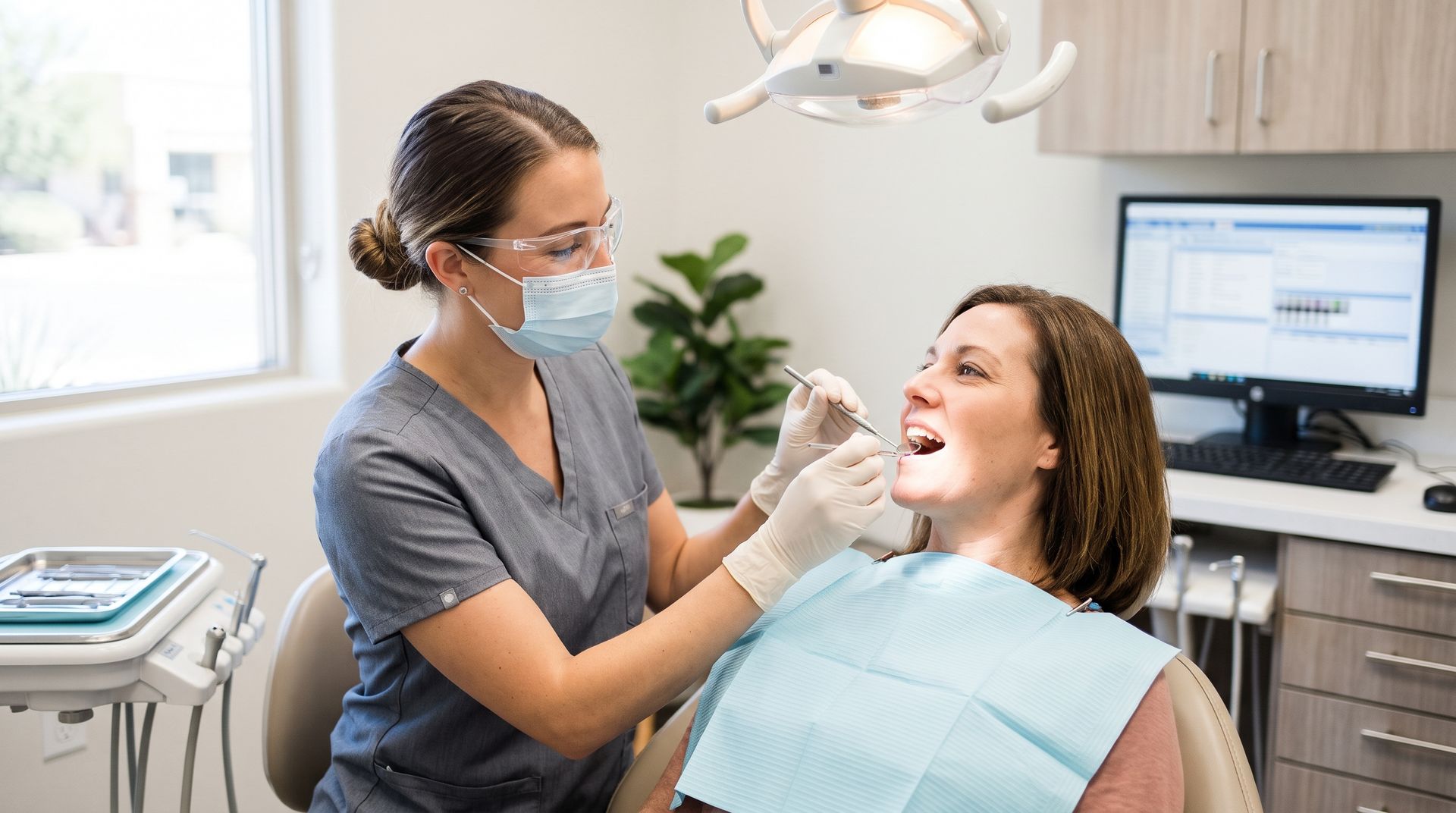
The area is numbed with local anesthetic, the same type used for fillings and extractions. Once you are numb, the nerves in that area cannot send pain signals. You will feel pressure, vibration, and movement, but not sharp pain. If you feel anything uncomfortable, tell the dentist, and more anesthetic can be added.
What the Procedure Involves
The dentist opens the gum, prepares a small space in the bone, places the implant post, and closes the gum. Bone has very few pain nerves, which is one reason implant placement is more comfortable than many people expect. Most of the soreness afterward comes from the gum tissue, not the bone. A single implant often takes about an hour.
Sedation Options
For patients who feel anxious, sedation can make the experience much more relaxed. You may feel drowsy, and many patients remember little of the procedure. Learn more about our sedation options.
Sounds and Sensations
Some patients find the sounds of the instruments more bothersome than any sensation, especially if past dental visits were stressful. Headphones and music can help, and sedation reduces awareness of sounds.
How Much Implants Hurt Afterward
Discomfort after surgery is normal and follows a predictable pattern for most people.
| Time After Surgery | What Most Patients Feel | What Helps |
|---|---|---|
| First few hours | Numbness wearing off, mild ache begins | Take pain relievers before numbness fully fades |
| Day 1 | Soreness, mild swelling, slight bleeding | Rest, cold packs, soft foods |
| Days 2 to 3 | Peak swelling and tenderness | Continue pain relievers and cold packs, keep head elevated |
| Days 4 to 7 | Steady improvement, soreness fading | Switch to warm compresses if helpful, gentle care |
| Week 2 | Mild tenderness, mostly comfortable | Return to normal routine, avoid chewing on the site |
| Weeks 3 to 12 | Little or no discomfort while bone heals | Follow-up visits, continued gentle care |
On a Pain Scale
Many patients rate their discomfort as mild to moderate, often in the range of 3 to 5 out of 10 at its worst, and lower for a single, straightforward implant. Everyone is different, and more complex cases can be more sore.
Swelling and Bruising
Swelling usually peaks around day two or three. Some patients, especially with lower or multiple implants, notice bruising on the cheek or jaw. Both fade over about a week. For a complete healing timeline, see our
dental implant recovery timeline.
How Implant Pain Compares to Other Procedures
Compared With a Tooth Extraction
Many patients say implant placement feels similar to or easier than having a tooth removed. When the implant is placed in healed bone, there is often less tissue trauma than with a difficult extraction.
Compared With a Root Canal
Discomfort after implant surgery is often comparable to a few days of soreness after a root canal, though swelling is more common with implants because the gums and bone are involved.
Compared With Wisdom Tooth Removal
A single implant is typically less uncomfortable than having impacted wisdom teeth removed, which involves more tissue and bone work.
What Makes Implant Surgery Hurt More or Less
Several factors influence how sore you will be:
- Number of implants. One implant is usually less sore than several placed at once.
- Extraction on the same day. Removing a tooth and placing an implant in one visit can add soreness.
- Bone grafting. Grafts often add swelling and tenderness for a few extra days.
- Sinus lift. Upper back implants that need a sinus lift may cause more pressure and congestion.
- Location. Lower back implants are often associated with more swelling and jaw stiffness.
- Surgical approach. Smaller, more precise procedures generally cause less discomfort.
- Your health and habits. Smoking and some health conditions can slow healing and prolong soreness.
- Following aftercare instructions. Rest, cold packs, and medication timing make a big difference.
Our guide to the
dental implant procedure steps explains how grafts and extractions fit into treatment.
Managing Pain at Home
Most implant discomfort is well controlled with simple measures.
Pain Relievers
Over-the-counter options such as ibuprofen or acetaminophen, taken as directed, control pain for most patients. Your dentist may recommend alternating them or prescribe something stronger for complex cases. Taking the first dose before the numbness wears off helps you stay ahead of the discomfort.
Cold Packs
Apply a cold pack to the cheek in intervals during the first day or two to limit swelling. A common approach is about 20 minutes on and 20 minutes off while you are awake.
Rest and Elevation
Rest for the remainder of the surgery day and sleep with your head slightly elevated to reduce swelling.
Soft Foods
Choose soft, lukewarm foods and avoid chewing on the implant side. Skip very hot, spicy, crunchy, or sticky foods early on.
Gentle Care
Follow your rinse and brushing instructions carefully. Keeping the area clean helps prevent irritation and infection.
What to Avoid
Avoid smoking, alcohol, using straws, and strenuous exercise for the first few days. These can increase bleeding, swelling, and pain. If you had sedation, review our guide on
driving after implant surgery.
Does Getting the Crown Hurt?
The later steps of implant treatment are usually easy.
Abutment Placement
If a separate step is needed to uncover the implant and attach the abutment, it typically involves only minor tenderness for a day or two.
Impressions or Scans
Taking impressions or digital scans for the crown is painless.
Crown Placement
Attaching the final crown usually feels like pressure and requires no anesthesia in many cases. Some patients notice mild tenderness as the gums adjust around the new crown.


Normal Discomfort vs. Warning Signs
Normal
Mild to moderate soreness, swelling that peaks around day two or three, minor bruising, slight bleeding or pink saliva on the first day, and tenderness that steadily improves.
Call the Office If You Notice
- Pain that gets worse after the third day instead of better.
- Swelling that returns or keeps increasing after it started to go down.
- Fever, chills, or feeling unwell.
- Pus, a bad taste, or an unpleasant smell from the site.
- Bleeding that will not stop with gentle pressure.
- Numbness in the lip, chin, or tongue that lasts after the anesthetic should have worn off.
- An implant or healing cap that feels loose.
Later problems, such as soreness or bleeding around an implant months or years after placement, are covered in our guide to
signs of dental implant failure.
If You Are Nervous About Pain
You Are Not Alone
Fear of pain is one of the most common reasons people delay implants. Talking about your concerns before treatment is the first step to a comfortable experience.
How We Help
We explain each step before we begin, check on your comfort throughout, and give you a clear plan for managing discomfort afterward. Sedation can help patients who feel very anxious. Our guide to sedation dentistry for anxious patients in Tukwila explains how it works.
Comparing Short-Term Discomfort to Long-Term Benefit
A few days of soreness is a short-term trade-off for a tooth replacement that can last for many years. Our article on
whether dental implants are worth it covers the long-term value.
Upper vs. Lower Implants
Implants in the lower jaw, especially in the back, are often associated with a bit more swelling and jaw stiffness because the bone is denser and the area has more chewing muscles nearby. Upper implants may cause more of a pressure sensation, and if a sinus lift is part of treatment, some congestion or mild nasal stuffiness for a few days is common. Either way, discomfort typically follows the same pattern of peaking early and improving through the first week.
Full-Arch and Multiple Implants
Patients receiving several implants or full-arch treatment, such as All-on-4, can expect more swelling and soreness than with a single implant, along with a longer soft-food period. Recovery is still very manageable for most people with the right medication plan and rest. Our guide to
All-on-4 dental implants in Tukwila
explains what full-arch treatment involves.
Same-Day and Mini Implants
Implants Placed the Same Day as an Extraction
When a tooth is removed and an implant is placed in the same visit, soreness is usually similar to an extraction alone, sometimes slightly more. The advantage is one surgery instead of two. Our guide to same-day dental implants explains who is a good candidate.
Mini Implants
Mini implants are narrower and often placed with a less invasive technique, which can mean less post-operative soreness. They are not right for every situation, as our comparison of
mini dental implants vs. traditional implants explains.
Tips to Make Recovery More Comfortable
Before Surgery
Stock your kitchen with soft foods, prepare cold packs, fill any prescriptions ahead of time, and plan to rest for the remainder of the day. If you are having sedation, arrange a ride home and someone to stay with you for a few hours.
The First Night
Take pain relievers on the schedule your dentist recommends, sleep with an extra pillow, and keep gauze handy for any light bleeding.
The First Week
Stay hydrated, keep up with gentle oral hygiene, and avoid poking at the site with your tongue or fingers. Small, consistent steps make the biggest difference in how comfortable you feel.
Talk With Our Tukwila Implant Team
If worry about pain is keeping you from replacing a missing tooth, we would be glad to talk through your options, explain exactly what to expect, and build a comfort plan that fits you. Learn more about our dental implant services or read more about our practice.
Call West Valley Dental at (425) 470-5803 or
contact us. We are located at 15668 West Valley Highway in Tukwila.

Frequently Asked Questions
Does getting a dental implant hurt?
The procedure itself should not hurt because the area is fully numbed. You will feel pressure and vibration. Afterward, mild to moderate soreness and swelling are normal for a few days and usually controlled with over-the-counter pain relievers.
How long does pain last after a dental implant?
Discomfort typically peaks within the first two to three days and fades steadily over about a week. Mild tenderness can last a little longer, especially with bone grafting or multiple implants.
Is a dental implant more painful than a tooth extraction?
Many patients find implant placement similar to or easier than an extraction. When an extraction and implant are done on the same day, soreness may be a bit greater.
Will I need prescription pain medicine after implant surgery?
Most patients do well with over-the-counter pain relievers taken as directed. Your dentist may prescribe stronger medication for complex cases or if you have specific medical needs.
Can I be sedated for dental implant surgery?
Yes. Sedation is available for patients who feel anxious or are having longer procedures. Your dentist will review your health history to choose the safest option for you.