Are Dental Implants Worth It? Cost vs Long-Term Value

For most people missing one or more teeth, dental implants are worth it. They cost more upfront than dentures or bridges, but they last decades (often a lifetime), function like natural teeth, and protect the jawbone in a way no other option can. The higher initial price often works out to be the better long-term value once you factor in lifespan, replacements, and quality of life. The main exception is patients who are not candidates due to health or bone conditions, or whose budget makes a different option the smarter near-term choice.
At West Valley Dental in Tukwila, we walk patients through this exact cost-versus-value question every week. The right answer depends on your situation: how many teeth you are replacing, your bone health, your timeline, and what matters most to you. This guide lays out the real tradeoffs so you can decide with full information rather than a sales pitch.
In This Guide
- The Quick Answer
- What You Are Actually Paying For
- The Real Cost of Dental Implants
- The Long-Term Value Case
- Implants vs. Dentures vs. Bridges
- The Benefits That Justify the Cost
- When Implants May Not Be Worth It
- How to Make Implants More Affordable
- How to Decide for Your Situation
- Talk to a Tukwila Implant Dentist
- FAQ
The Quick Answer
Whether implants are worth it comes down to your timeline, your health, and what you value.
When Implants Are Usually Worth It
Implants are usually worth it if you plan to keep the result long-term, you want to eat and speak normally without worrying about slippage, you are in reasonable health with adequate bone, or you want to avoid the ongoing cost and hassle of replacing dentures or bridges every several years.
When Another Option Might Win
A different option might make more sense if budget is the deciding factor right now, if a health condition makes you a poor surgical candidate, or if you need an immediate full-arch solution while saving for implants. These are real situations, and a good dentist will tell you directly when an alternative fits better.
The Core Tradeoff
Implants ask for more money upfront in exchange for the longest lifespan, the most natural function, and protection of the jawbone. Our
dental implants page covers how the treatment works in detail.
The Real Cost of Dental Implants
Cost is the part everyone wants a number for, and it depends on several factors.
What Affects the Price
- How many teeth you are replacing: A single implant costs far less than a full arch.
- The type of restoration: A single crown, an implant bridge, or full-arch options like All-on-4 each price differently.
- Preparatory procedures: Bone grafting, sinus lifts, or extractions add to the total.
- Materials: The crown and implant materials affect both cost and longevity.
- Your specific anatomy: Complex cases take more time and planning.
Single Implant vs. Full Arch
A single tooth implant is the most affordable entry point. Full-arch solutions like All-on-4 dental implants cost more because they replace an entire row of teeth on multiple implants, but the per-tooth value is strong. For exact pricing in our area, our dental implants cost guide for Tukwila breaks down the numbers.
Why a Quote Requires a Consultation
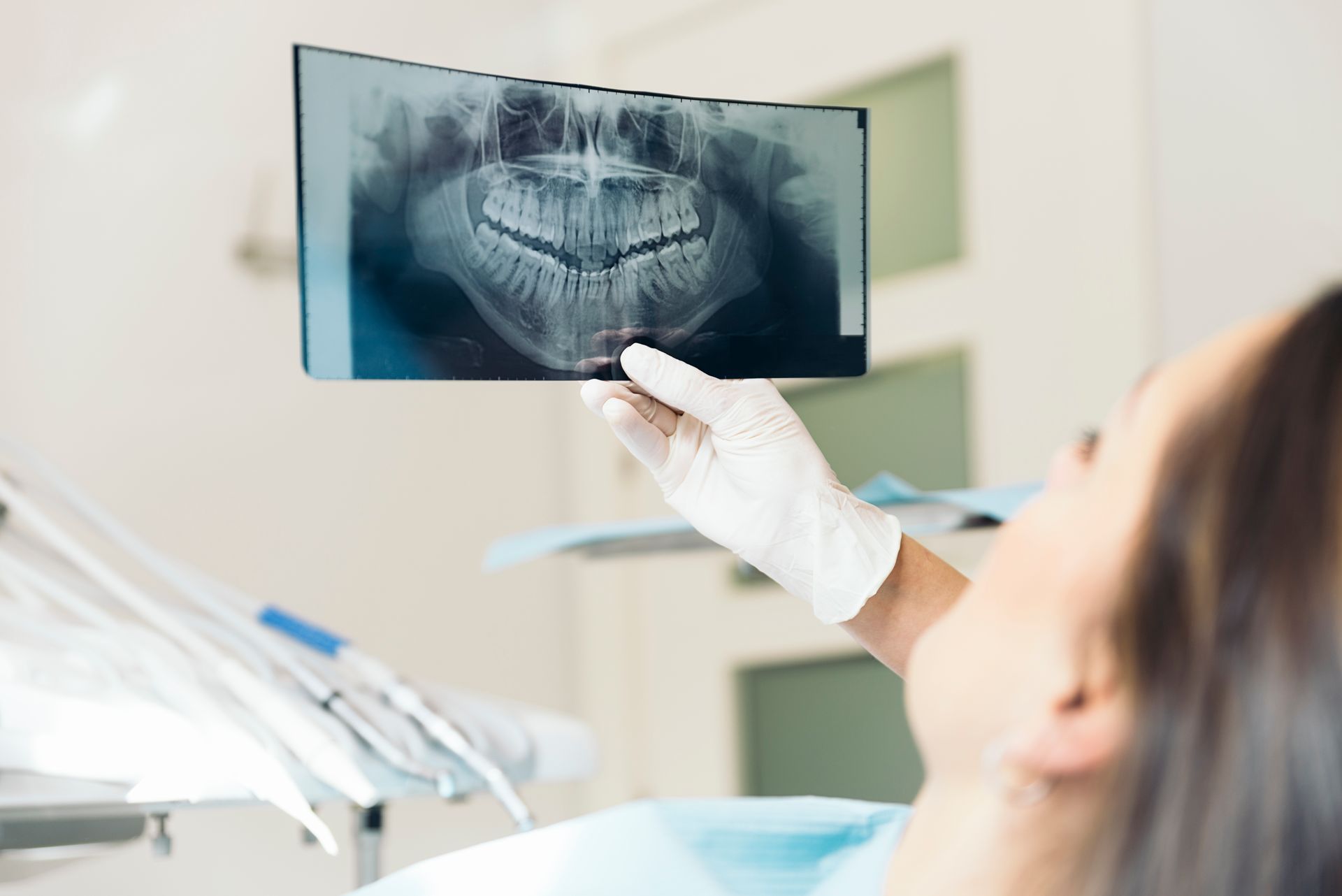
No reputable dentist can give you an accurate implant price without seeing your mouth. The cost depends on your bone, the procedures you need, and the materials chosen. Any firm number quoted without imaging is a guess.
The Long-Term Value Case
This is where implants make their strongest argument, and where the upfront cost starts to look different.
Lifespan Changes the Math
A dental implant can last decades, often a lifetime, with proper care. Dentures need replacement every five to eight years, and bridges typically last 10 to 15 years before needing replacement. When you spread the cost of an implant over its lifespan and compare it to repeatedly replacing other options, the gap narrows significantly.
Consider a simple example: if you are 55 and choose dentures, you may replace them three or more times over the next 25 years, plus pay for relines and adhesives along the way. An implant placed once at 55 can serve you for the rest of your life. The single larger payment can end up costing less than several smaller ones strung across decades.
The Hidden Costs of Alternatives
Dentures require adhesives, relines, and periodic replacement. Bridges require altering the healthy teeth on either side, which can lead to problems with those teeth later. These ongoing costs and consequences are easy to overlook when comparing only the sticker price.
There is also the cost of complications. When a bridge fails, it can take the supporting teeth with it, turning a three-tooth problem into a larger one. When dentures accelerate bone loss, the face changes shape over time and future treatment becomes more complex. Implants avoid these downstream costs by standing independently and preserving bone.
Quality of Life Has Value Too
Beyond the dollars, implants restore the ability to eat what you want, speak without worry, and not think about your teeth. For many patients, that daily quality of life is worth as much as the financial math. Being able to bite into an apple, laugh without a denture shifting, or eat at a restaurant without planning around it are benefits that do not show up on a price sheet but matter every single day.
Implants vs. Dentures vs. Bridges
A direct comparison helps clarify the tradeoffs.
| Factor | Dental Implants | Dentures | Bridges |
|---|---|---|---|
| Upfront cost | Highest | Lowest | Middle |
| Lifespan | Decades to lifetime | 5 to 8 years | 10 to 15 years |
| Lifetime cost | Often lowest | Higher (replacements) | Middle |
| Protects jawbone | Yes | No | No |
| Affects nearby teeth | No | No | Yes (must be altered) |
| Function (chewing) | Closest to natural | Limited | Good |
| Feels natural | Yes | Less so | Mostly |
| Removable | No (fixed) | Yes | No (fixed) |
| Surgery required | Yes | No | No |
Where Each One Wins
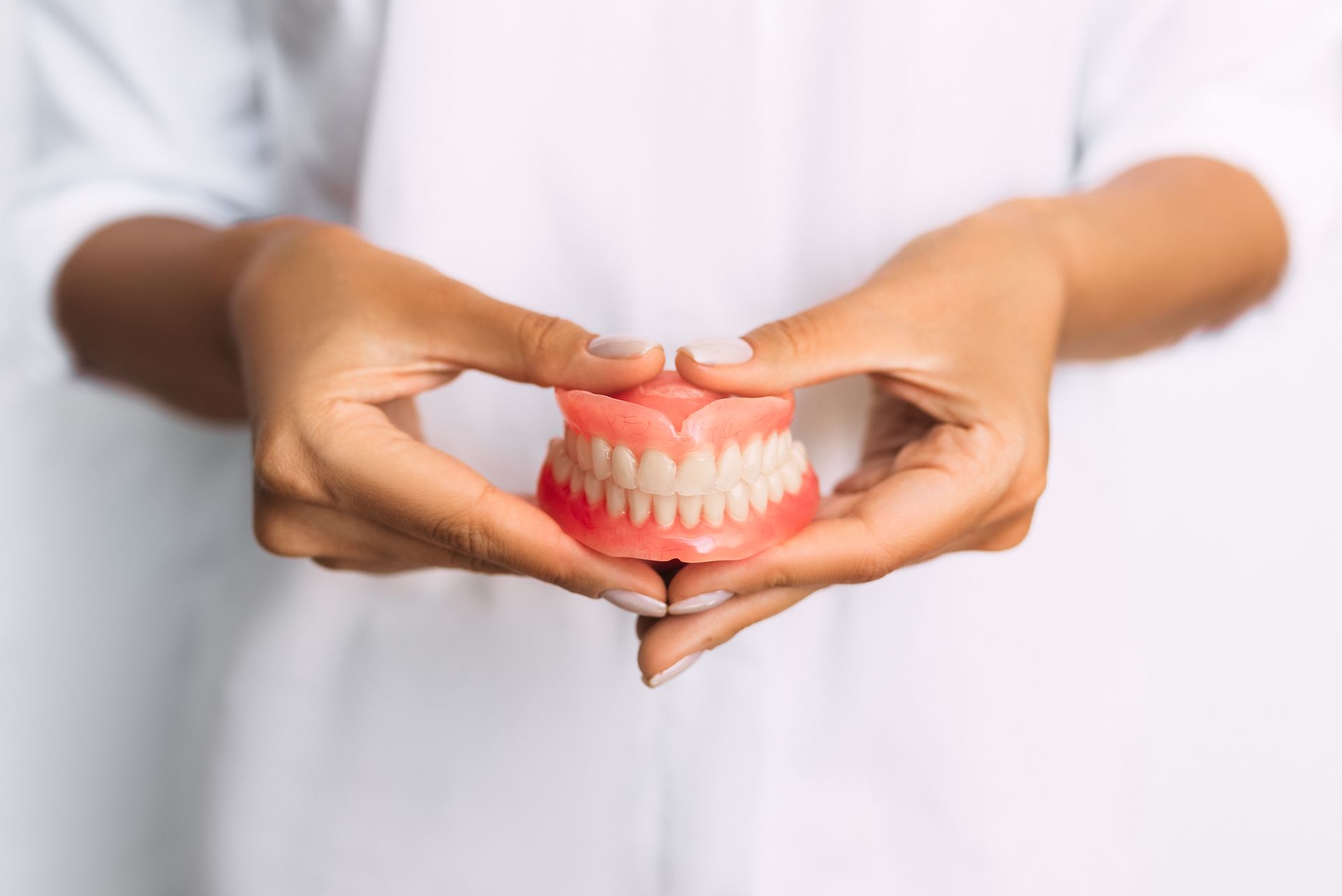
Dentures win on upfront cost and for patients who are not surgical candidates. Bridges are a solid middle option when adjacent teeth already need crowns. Implants win on lifespan, function, and bone preservation. Our
implant-supported dentures page covers an option that blends the stability of implants with the coverage of dentures.
The Benefits That Justify the Cost
The reasons implants cost more are also the reasons they are often worth it.
They Protect Your Jawbone
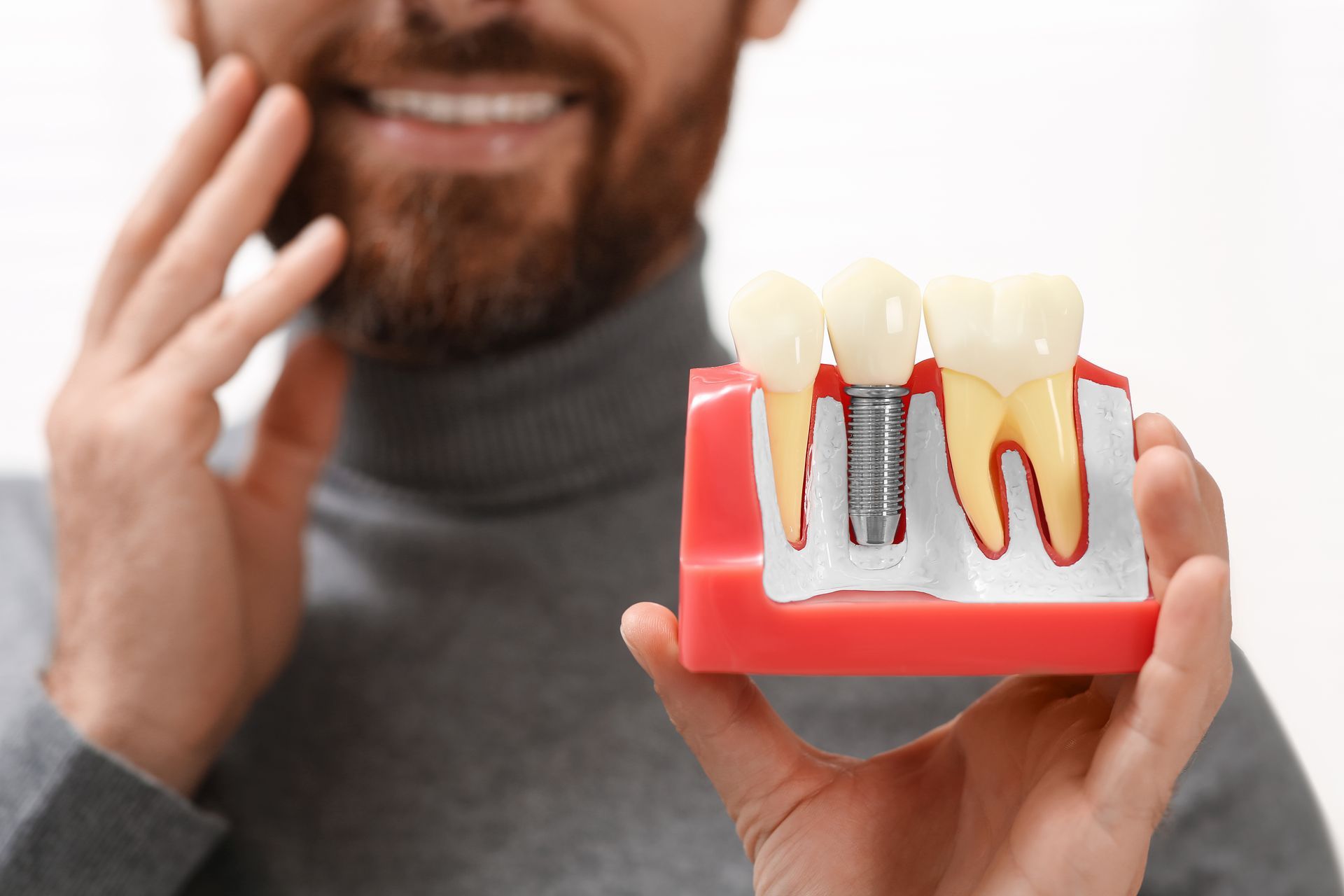
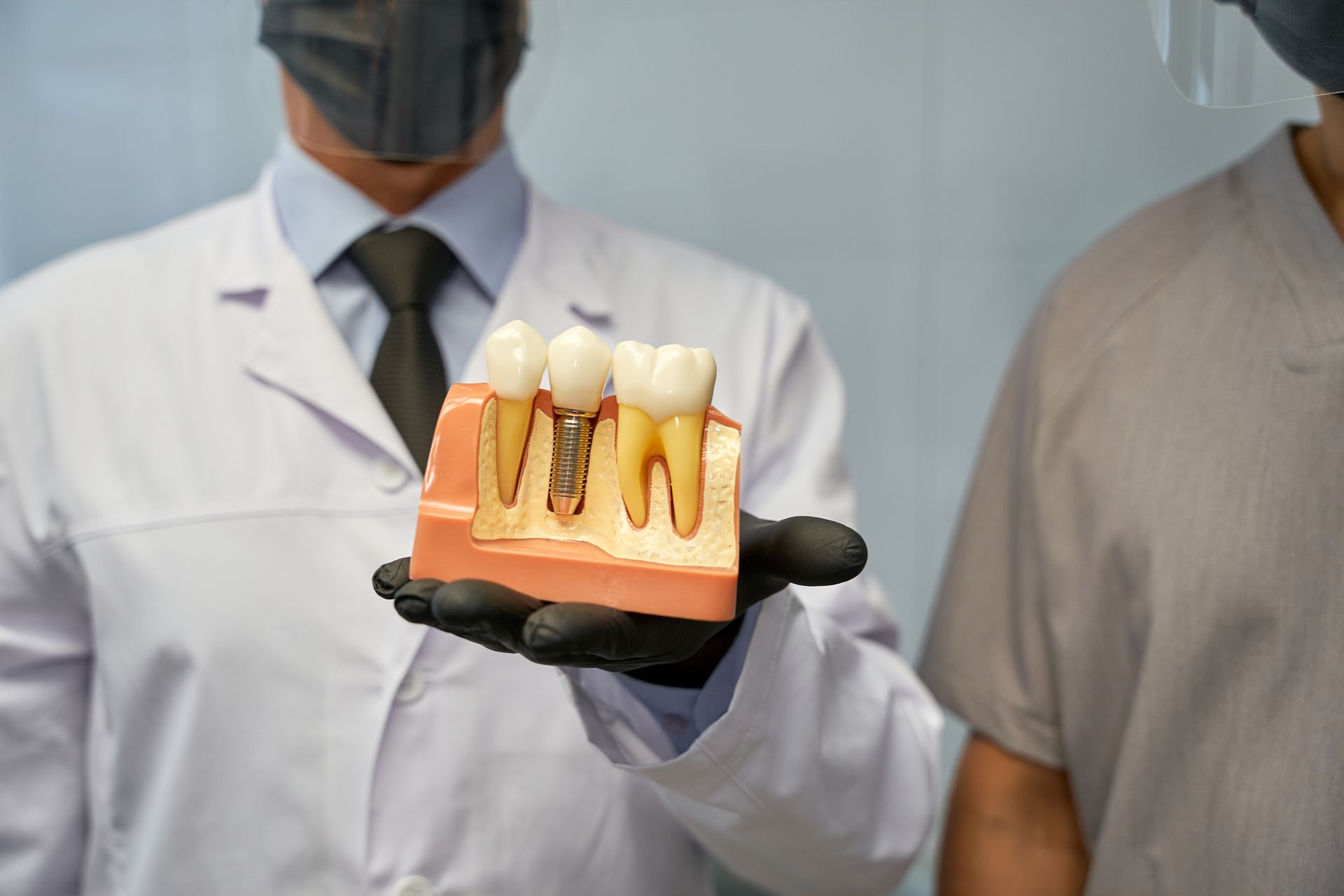
When a tooth is lost, the jawbone in that area starts to shrink. Implants are the only tooth-replacement option that stimulates the bone like a natural root, preventing the bone loss and facial changes that come with long-term tooth loss. Dentures and bridges do not do this.
This matters more than most people realize. The bone loss from missing teeth is gradual but relentless, and over years it changes the shape of the lower face, can make dentures fit poorly, and complicates any future dental work. By preserving the bone from day one, an implant protects not just the replaced tooth but the structure around it.
They Function Like Natural Teeth
Implants are anchored in the jaw, so they do not slip, click, or limit what you can eat. Bite force returns to near-natural levels, which neither dentures nor bridges fully match.
This is one of the most common reasons patients say implants were worth it. After living with a denture that shifts or limits their diet, the return to normal eating feels like getting their teeth back. There is no adhesive, no removing anything to clean, and no avoiding certain foods.
They Do Not Compromise Other Teeth
A bridge requires grinding down the healthy teeth on either side of the gap to support it. An implant stands on its own, leaving your other teeth untouched. This protects your long-term oral health.
They Are Built to Last
With good hygiene and regular checkups, an implant can last the rest of your life. That durability is the foundation of the long-term value argument.
When Implants May Not Be Worth It
A complete look includes the situations where implants are not the right call.
- Significant health conditions: Uncontrolled diabetes, certain autoimmune conditions, or medications that affect bone healing can make implants riskier or less predictable.
- Severe bone loss without grafting: If you lack adequate bone and do not want grafting, implants may not be feasible.
- Budget constraints right now: If the upfront cost is out of reach and financing does not bridge the gap, a quality denture or bridge restores function while you plan.
- Heavy smoking: Smoking significantly raises the risk of implant failure, which affects whether the investment pays off.
A good dentist will tell you directly if you fall into one of these categories rather than pushing implants regardless. The goal is the right solution for you, not the most expensive one.
How to Make Implants More Affordable
If implants are the right fit but cost is a hurdle, there are ways to manage it.
Financing and Payment Plans
Many practices offer financing that spreads the cost over months or years. This turns a large one-time expense into manageable payments and is the most common route for implant patients. Our insurance and financing page covers the options we offer.
Insurance and Phased Treatment
Some dental and medical plans cover a portion of implants, especially when tooth loss relates to a medical issue. Phasing treatment, doing one implant or one arch at a time, also spreads the cost across a longer timeline.
Considering the Full Picture
When weighing affordability, factor in the lifetime cost, not just the upfront price. An option that is cheaper today but needs replacing several times can cost more over 20 years than an implant placed once.
It also helps to separate "expensive" from "not worth it." Something can have a high price and still be the best value, the same way a durable appliance that lasts 20 years can be a better buy than a cheap one replaced every few years. The question is not only what implants cost, but what you get for that cost over the life of the treatment.
How to Decide for Your Situation
The decision comes down to direct answers to a few questions.
Ask yourself: How long do I plan to live with this result? Am I a good candidate health-wise? Does eating and speaking normally matter enough to justify the investment? Can I manage the cost upfront or through financing? Am I comfortable with the alternatives' ongoing maintenance and replacement?
For most people in reasonable health who want a long-term solution, the answers point toward implants being worth it. For others, a denture or bridge is the smarter choice right now. Both are valid, and the right answer is the one that fits your health, your budget, and your goals.
Talk to a Tukwila Implant Dentist
The best way to know whether implants are worth it for you is a consultation that looks at your specific situation. We evaluate your bone, your overall health, and your goals, then walk you through the real options with clear pricing and no pressure.
Contact West Valley Dental to schedule a consultation. We serve patients across Tukwila, Seattle, and the surrounding communities, and we will give you a straightforward recommendation based on what actually fits your situation, whether that is implants or another option. You can also explore the
benefits of dental implants for more background first.

Frequently Asked Questions
How long do dental implants last?
With proper care and regular checkups, dental implants can last decades, and the implant post often lasts a lifetime. The crown on top may need replacement after 10 to 15 years, but the implant itself is built to be permanent. This longevity is central to the value case.
Are dental implants worth it compared to dentures?
For most patients staying long-term, yes. Implants cost more upfront but last far longer, function more naturally, and protect the jawbone. Dentures cost less initially but need replacement every five to eight years and do not prevent bone loss. Over decades, the cost gap narrows considerably.
Why are dental implants so expensive?
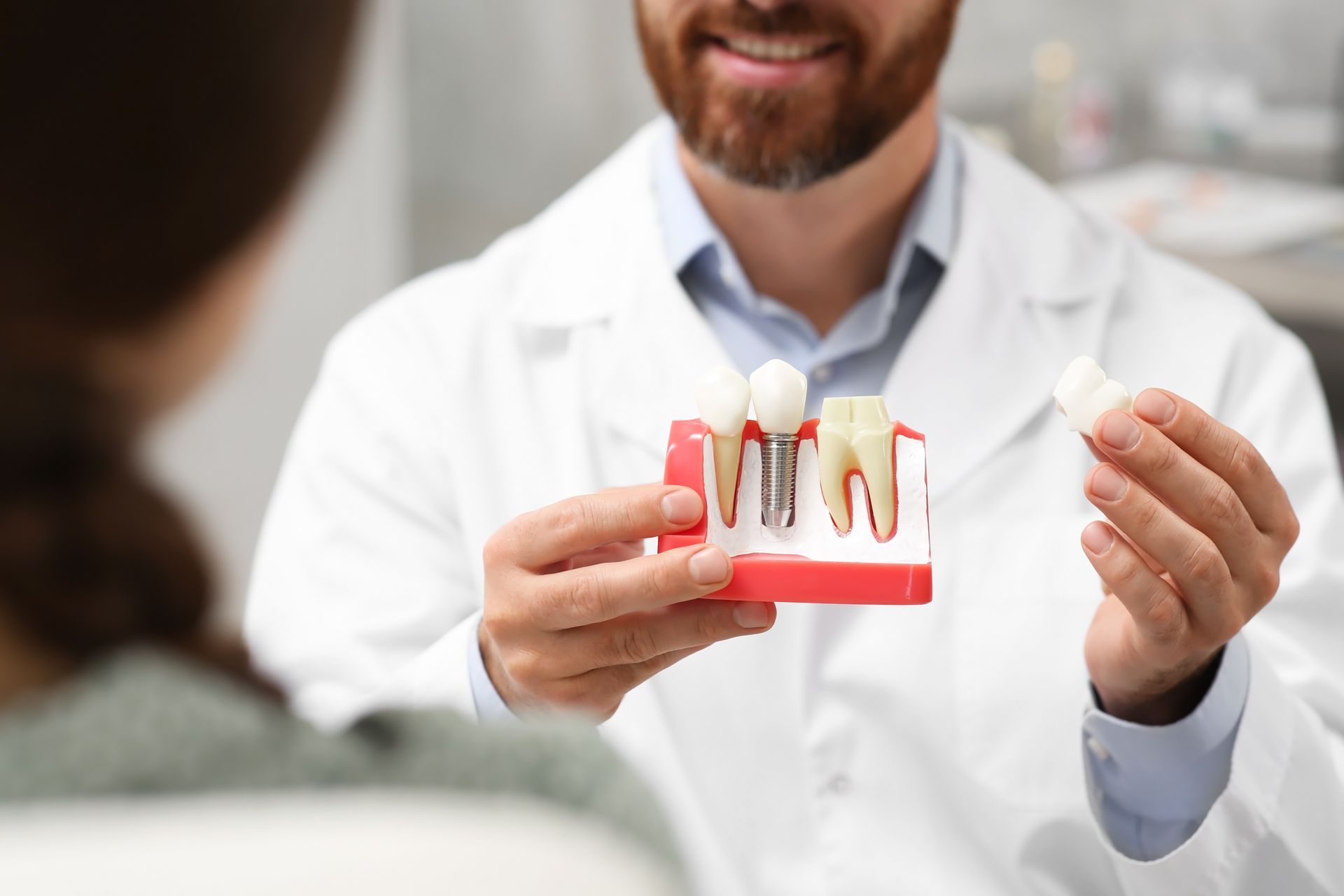
The cost reflects a multi-step medical procedure: 3D planning, surgical placement of a titanium post, a custom abutment and crown, and the healing and follow-up care. Quality materials and an experienced dentist also factor in, and both directly affect how long the implant lasts.
Is it worth getting a single tooth implant?
Often yes. A single implant avoids grinding down the healthy teeth that a bridge would require, protects the bone where the tooth was lost, and lasts far longer than the alternatives. For one missing tooth, it is frequently the best long-term value.
What makes someone a poor candidate for implants?
Uncontrolled diabetes, certain autoimmune conditions, severe bone loss without willingness to graft, heavy smoking, and some medications that affect bone healing can make implants riskier. A consultation with imaging determines candidacy, and a good dentist will be upfront if another option fits better.