Smile Makeover Cost: What Impacts Pricing?

A smile makeover's cost varies widely because it is not a single procedure but a custom combination of treatments, which can include veneers, teeth whitening, bonding, crowns, or orthodontics. The price depends on which treatments you need, how many teeth are involved, the materials chosen, and the complexity of your case. Because every smile makeover is personalized, the only way to get an accurate figure is a consultation, but understanding what drives the cost helps you plan and budget for it with realistic expectations.
At West Valley Dental in Tukwila, WA, we design custom smile makeovers and give patients clear, upfront estimates before any treatment begins. Below we explain what a smile makeover involves, the factors that shape the cost, and how to think about budgeting for one.
Start with what goes into a makeover, then see what actually drives the price.
In This Guide
- What a smile makeover includes: The possible treatments.
- Why the cost varies so much: The personalized nature of it.
- Factors that impact pricing: What drives the number.
- Treatment costs at a glance: Relative pricing by treatment.
- Is a smile makeover worth it?: Weighing the value.
- Planning and budgeting: Financing and next steps.
- Frequently asked questions: Quick answers to common questions.
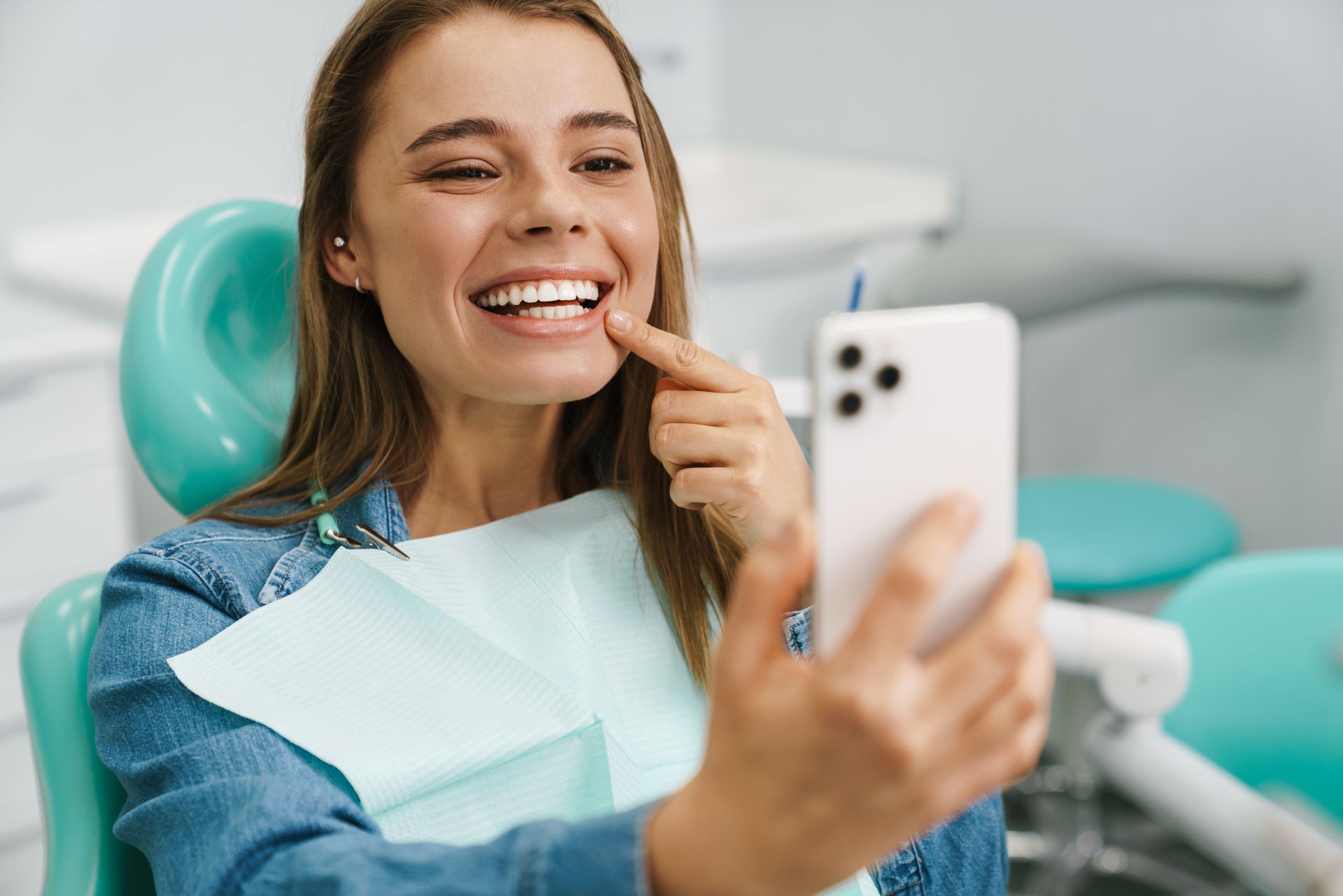
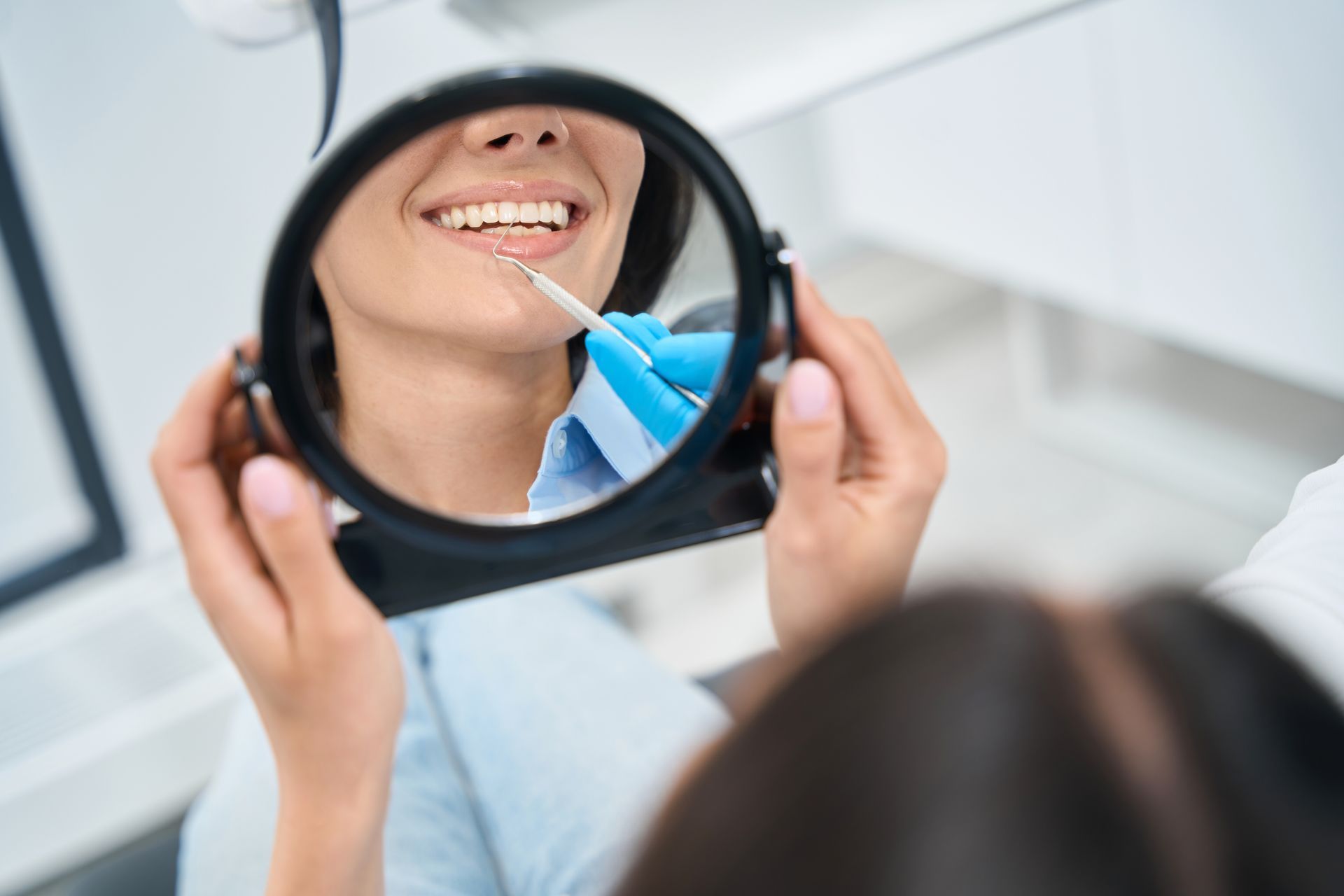
What a Smile Makeover Includes
A smile makeover is a personalized treatment plan, not a fixed procedure. Understanding the possible components explains why costs range so widely from one person to the next, sometimes dramatically.
A Custom Combination of Treatments
A smile makeover combines whatever treatments are needed to reach your goals for your smile. That might be a single treatment or several working together in one plan, tailored specifically to what you want to change about your teeth.
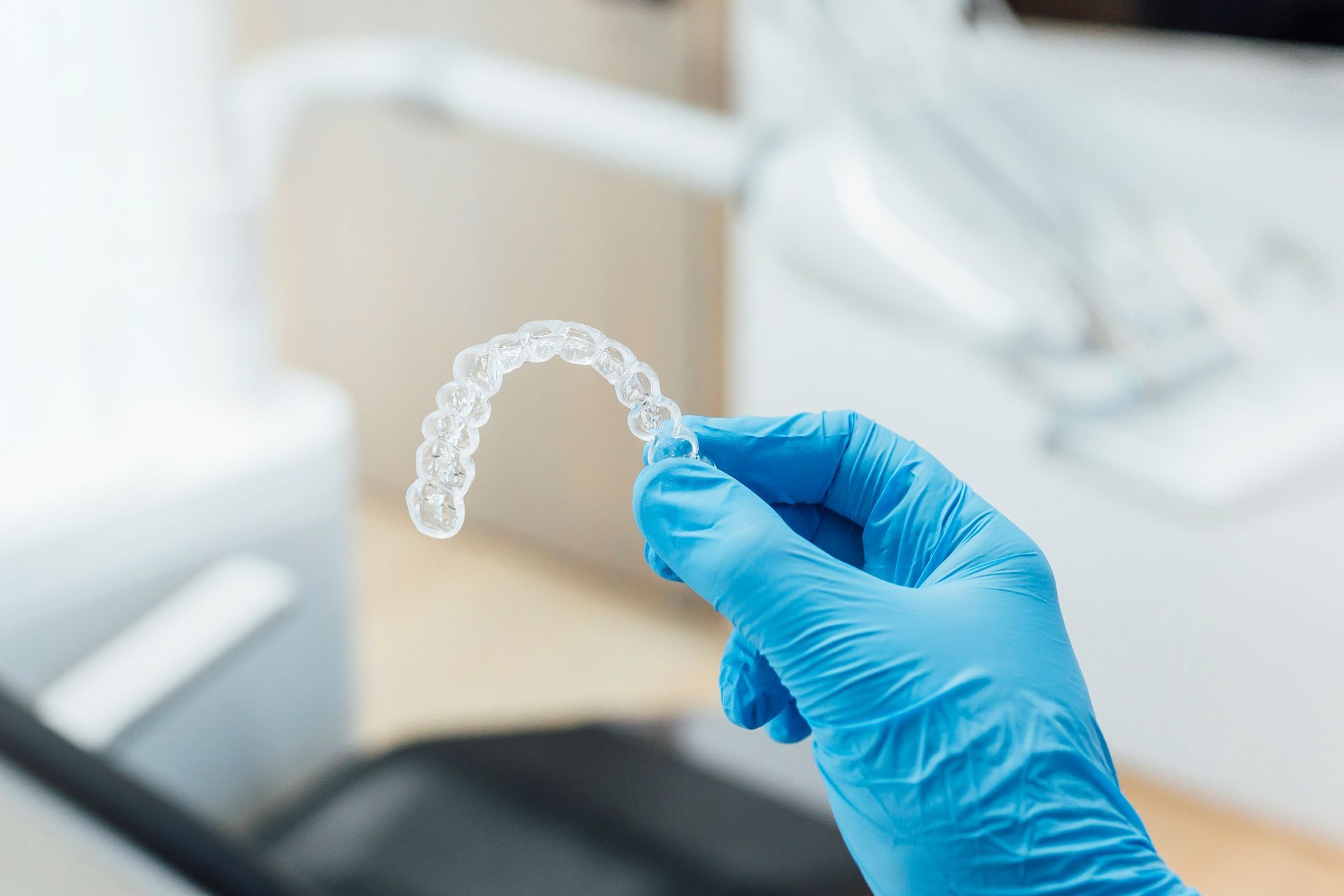
Common components include veneers, professional teeth whitening, cosmetic bonding, crowns, and sometimes orthodontics like clear aligners to align the teeth. Our overview of cosmetic dentistry covers the full range of options that can be part of a plan.
The mix is what makes each makeover unique. One person might need only whitening and a couple of veneers to get the look they want, while another needs bonding, several crowns, and alignment work. Since each treatment carries its own cost, the combination is what ultimately sets the total.
Built Around Your Goals
Some people want to fix one or two specific issues, while others want a complete transformation of their smile. The scope of your goals is the biggest driver of what treatments are involved, and therefore the overall cost.
This is why two smile makeovers can look completely different in price. A subtle refresh and a comprehensive redesign are both smile makeovers, but they involve very different amounts of work.
Your goals also guide which treatments make sense. If your main concern is discoloration, whitening may be most of the answer, while chips, gaps, or misalignment point toward bonding, veneers, or aligners. Part of the consultation is matching the right treatments to what you actually want to change, so you are not paying for more than you need.
Why the Cost Varies So Much
If you have searched for a single price for a smile makeover, you have probably found a huge range and come away more confused than before. Here is why a simple number is so hard to pin down.
Every Plan Is Personalized
Because a smile makeover is built around your unique teeth and goals, no two plans are identical. The treatments, the number of teeth, and the materials all differ from person to person.
This means any general figure you see online is, at best, a rough starting point. Your actual cost depends entirely on your specific plan, which is determined at a consultation after examining your smile.
It also means comparing quotes between practices is not always straightforward, since one estimate might cover a full-mouth redesign and another only a few front teeth. What matters is understanding exactly what each plan includes, not just the bottom-line number.
Ballpark Ranges, Not Fixed Prices
A minor makeover involving whitening and a little bonding sits at the lower end of the range, while a comprehensive makeover with multiple veneers or crowns sits much higher. Orthodontics, if it is needed to align teeth first, adds to both the timeline and the cost.
Rather than quoting a single number, it is more useful to think in ranges based on scope. Your dentist can give you a precise estimate once your plan is set, with no surprises later.
Be a little wary of very low advertised prices, too. They often reflect a single treatment or a starting point rather than a complete makeover, so comparing them to a comprehensive plan is not a fair comparison. A clear, itemized estimate from your own consultation is far more reliable than any headline figure.
Factors That Impact Pricing
Several specific factors determine where your smile makeover falls in the range. Knowing them helps you understand your estimate and see where the cost is coming from.
The Main Cost Drivers
These are the biggest factors that shape the price of a smile makeover.
- Which treatments are included in your plan, since each has its own cost.
- How many teeth are being treated, from just a few to a full smile.
- The materials chosen, such as porcelain versus composite bonding.
- The complexity of your case and any underlying issues to address first.
- Whether orthodontics or other preparatory work is needed.
Preparatory work is an easy factor to overlook. If a tooth needs a filling, gum treatment, or a repair before cosmetic work can go on top, that adds to the plan. A good dentist addresses the health of your teeth first, since cosmetic results only last when they are built on a healthy foundation.
Materials and Quality
The materials make a real difference to both cost and longevity. For example, porcelain veneers generally cost more than composite bonding but are more durable and stain-resistant over time, as our comparison of veneers and bonding explains.
Higher-quality, longer-lasting materials often cost more upfront but can be a better value over time. Your dentist will help you weigh durability, appearance, and cost to choose what fits your goals and budget.
It is worth thinking about this trade-off carefully rather than defaulting to the cheapest option. A material that lasts twice as long can be the more economical choice in the long run, even at a higher initial price, so the best value is not always the lowest sticker price.
Treatment Costs at a Glance
While exact prices depend on your plan, it helps to see how the common treatments compare in relative cost. This gives a sense of what drives your estimate.
| Treatment | Relative Cost | Notes |
|---|---|---|
| Teeth whitening | Lower | Often the most affordable step |
| Cosmetic bonding | Lower to moderate | Per-tooth, budget-friendly |
| Porcelain veneers | Higher | Priced per tooth, very durable |
| Crowns | Higher | Restorative and cosmetic |
| Orthodontics | Varies widely | Adds time and cost when needed |
These are relative comparisons, not quotes. The total depends on how many teeth each treatment covers and the specifics of your plan, which is why a consultation is the only way to get a firm figure.
Keep in mind that treatments priced per tooth, like veneers and crowns, scale directly with how many teeth you treat. Doing two front teeth is a very different cost from redesigning a full smile, even with the same treatment, which is another reason scope matters so much.
Is a Smile Makeover Worth It?
Cost is only half the question. Whether a makeover is worth it depends on the value it brings to your life and how well you plan for it financially.
The Value Beyond Appearance
A smile makeover changes more than just how your teeth look. Many patients describe a real boost in confidence, feeling more comfortable smiling, speaking, and being in photos than they had in years.
Some components also improve function and health, such as crowns that protect damaged teeth or aligners that correct a bite. That combination of appearance, confidence, and sometimes function is what patients weigh against the cost.
For many people, the everyday impact is what makes it feel worthwhile. Smiling freely in photos, at work, or with friends without a second thought is hard to put a price on, and it is often the reason patients say they wish they had done it sooner.
A Long-Term Investment
Quality cosmetic work, cared for properly, can last many years. Viewed over that full span, a smile makeover is often more of a long-term investment in yourself than a one-time expense.
Choosing durable materials and maintaining your results, such as protecting whitening with good habits, helps that investment last. Your dentist can explain the expected lifespan of each treatment in your plan.
Spreading the cost over the years a treatment lasts puts the price in a different light. A set of quality veneers that lasts a decade or more, for instance, works out to a modest yearly cost for a change you benefit from every single day.
Planning and Budgeting
Once you understand what drives the cost, planning becomes much easier and far less stressful. There are also several ways to make a smile makeover more manageable.
Getting an Accurate Estimate
The essential first step is a consultation. Your dentist examines your smile, discusses your goals in detail, and builds a plan, then provides a clear, itemized estimate so you know exactly what to expect before committing.
This is also the time to ask about phasing treatment over time, which can spread out the cost. Many makeovers can be done in stages rather than all at once, prioritizing what matters most to you first.
A good estimate should be itemized, so you can see the cost of each treatment rather than a single lump sum. That transparency also lets you make informed choices, such as adjusting the materials or scope if the initial plan stretches your budget.
Insurance and Financing
Purely cosmetic treatments are usually not covered by insurance, but any restorative components, like crowns that protect a tooth, may be partially covered. Our team can help you understand what applies.
Because a makeover often blends cosmetic and restorative work, it is worth having your plan reviewed against your benefits rather than assuming nothing is covered. Even partial coverage on the restorative pieces can meaningfully reduce the out-of-pocket total.
Financing and payment plans can also make a makeover more affordable by spreading the cost over time. To see the full service and start a conversation, visit our smile makeover page, and explore specific options like porcelain veneers and teeth whitening to understand your choices.
Between phasing treatment, using insurance where it applies, and financing the rest, a makeover that seems out of reach at first often turns out to be manageable. The consultation is where all of these pieces come together into a plan that fits your budget.
Planning Your New Smile
A smile makeover's cost depends entirely on your personalized plan: which treatments you choose, how many teeth are involved, the materials used, and the complexity of your case. Rather than a single price, it helps to think in ranges based on scope, from a simple whitening-and-bonding refresh to a comprehensive redesign with veneers or crowns. The only way to get an accurate figure is a consultation with a clear, itemized estimate.
At West Valley Dental in Tukwila, we design smile makeovers around your goals and budget, and we always provide clear estimates upfront. If you are curious what your smile makeover would involve and cost, reach out to our team for a consultation. We will build a plan that fits both your smile and your budget.

Frequently Asked Questions
How much does a smile makeover cost?
There is no single price, because a smile makeover is a custom combination of treatments rather than one procedure. The cost depends on which treatments you need, how many teeth are involved, the materials, and the complexity of your case. It can range from a modest amount for a simple refresh to significantly more for a comprehensive redesign, so a consultation with an itemized estimate is the only way to get an accurate figure for your smile.
What makes a smile makeover more expensive?
The biggest factors are the number and type of treatments, how many teeth are treated, the materials chosen, and the complexity of your case. Porcelain veneers and crowns cost more than whitening or bonding, and treating a full smile costs more than just a few teeth. Orthodontics, if it is needed to align teeth first, adds to both the time and the overall cost of the plan.
Does insurance cover a smile makeover?
Purely cosmetic treatments, like whitening or veneers done purely for appearance, are usually not covered by insurance. However, any restorative components, such as a crown that protects a damaged tooth, may be partially covered. Our team can review your specific plan and help you understand what your insurance may apply toward the restorative portions.
Can I get a smile makeover in stages?
Yes, and many patients do. A smile makeover can often be phased over time rather than done all at once, which spreads out the cost and lets you prioritize what matters most first. Your dentist can help you plan a sequence that fits your goals and your budget, tackling the most visible or important changes first and adding the rest later.
Is a smile makeover worth the cost?
For many patients, yes. Beyond a better-looking smile, makeovers often bring a real boost in confidence, and some components improve function and dental health too. Because quality cosmetic work can last many years with good care, it is often better viewed as a long-term investment than a one-time expense, and many patients say the daily confidence it gives them makes it well worth the cost.