Invisalign vs Braces for Adults: Pros and Cons

For most adults, Invisalign wins on discretion, comfort, and convenience, while traditional braces win on handling complex cases and requiring zero discipline to work. Invisalign uses clear, removable aligners that are nearly invisible and let you eat and brush normally, but they only work if you wear them 20 to 22 hours a day. Braces are fixed to your teeth, so they work around the clock without any effort from you, and they can correct severe misalignment that aligners sometimes cannot. Cost is broadly similar. The right choice comes down to how complex your case is, your daily lifestyle, and how disciplined you will be.
At West Valley Dental in Tukwila, we offer both clear aligners and braces, so our recommendations are based on what actually fits your teeth and your life, not on steering you toward one option. This guide breaks down the real pros and cons of each for adults.
In This Guide
- The Core Difference: What sets them apart.
- Invisalign: Pros and Cons: The clear-aligner tradeoffs.
- Braces: Pros and Cons: The fixed-appliance tradeoffs.
- Side-by-Side Comparison: The quick view.
- Cost: Are They Really Different?: The real numbers.
- How Long Each Takes: Treatment time.
- Which Is Right for You?: Matching it to your life.
- What Each Corrects Best: Effectiveness by case.
- Ceramic and Other Options: Beyond the two.
- Do You Need a Retainer?: After treatment.
- What the Process Looks Like: Start to finish.
- Are You Too Old for This?: Age and orthodontics.
- Frequently Asked Questions: Quick answers.
The Core Difference
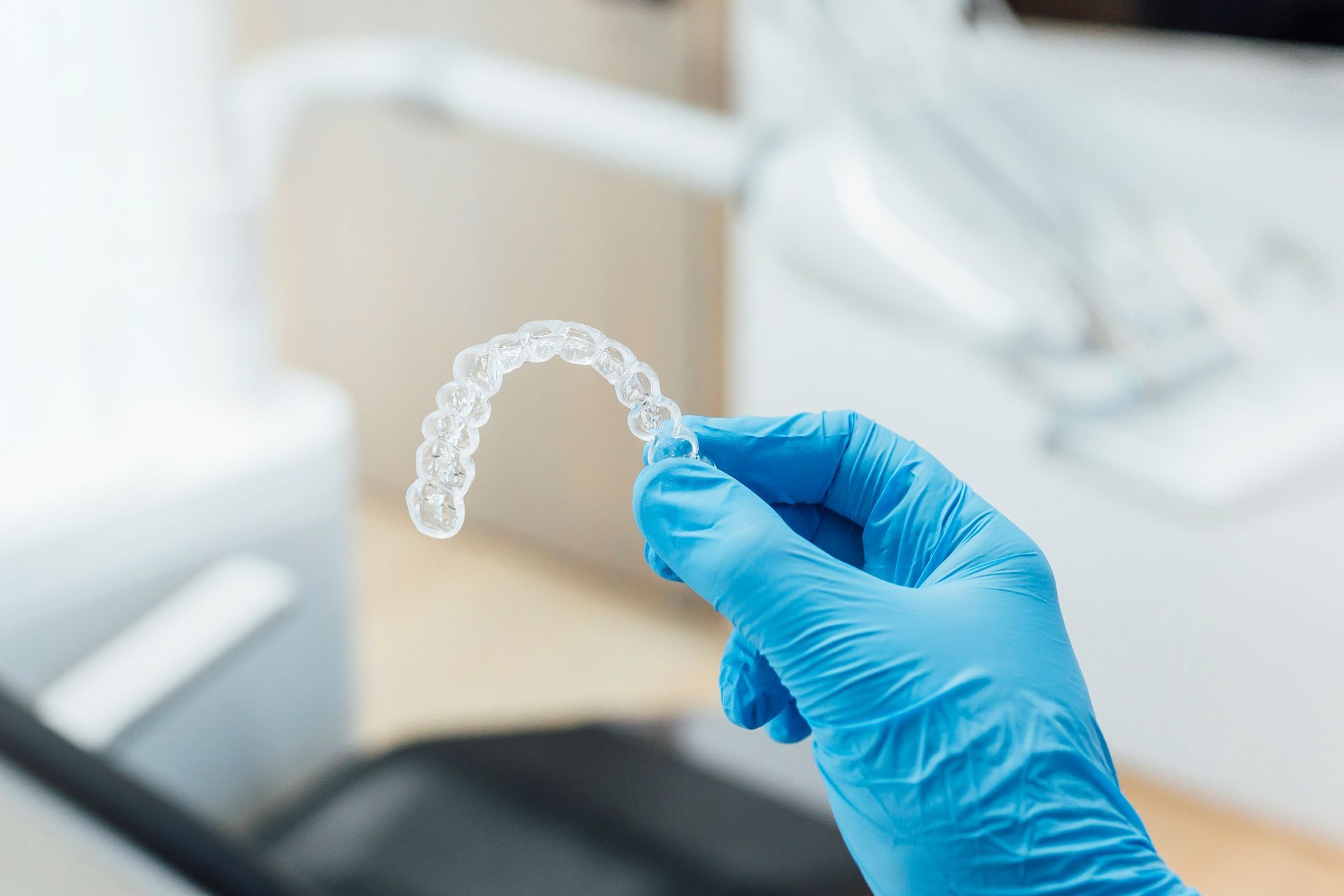
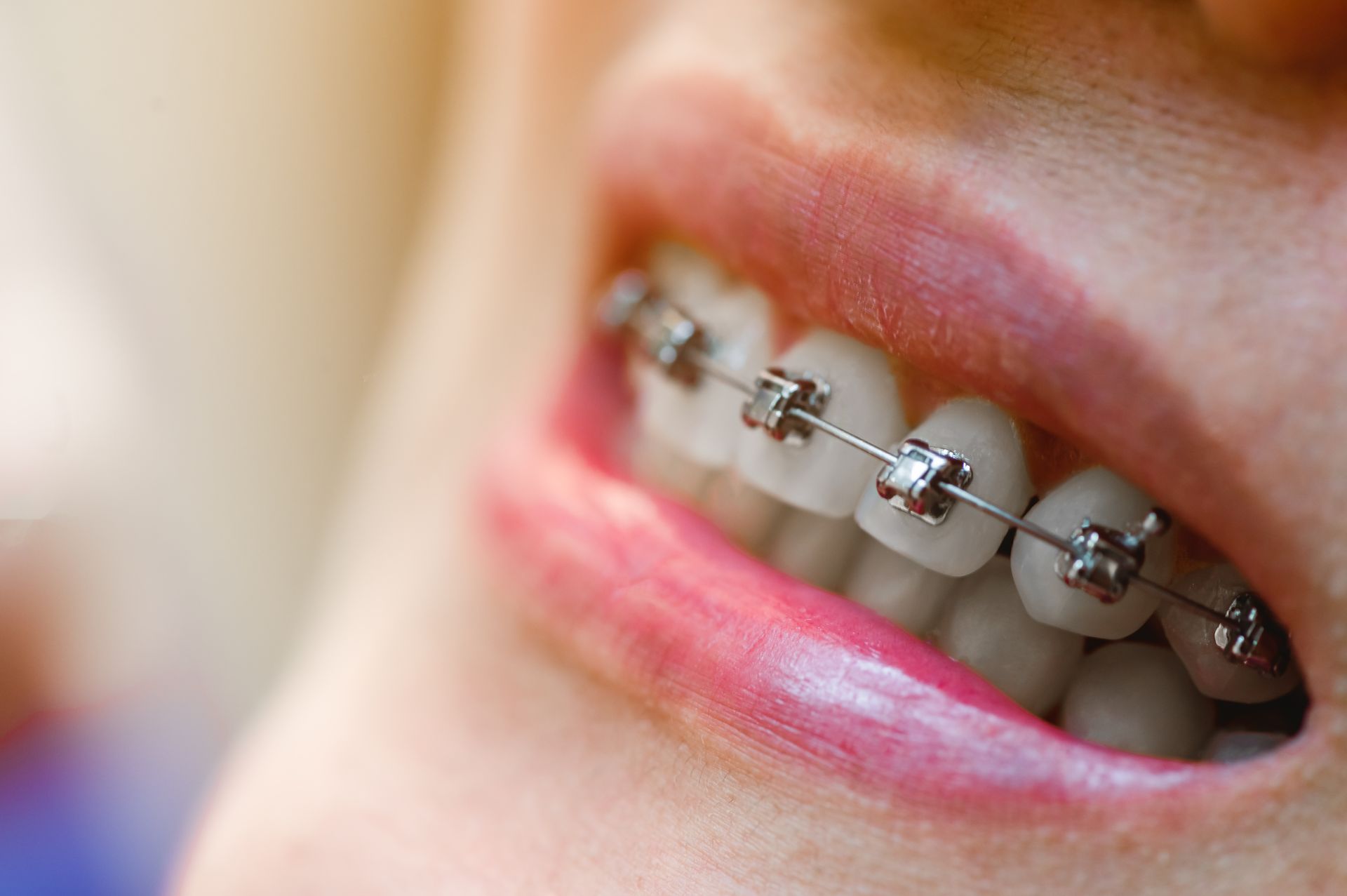
Both Invisalign and braces do the same job, gradually moving your teeth into better alignment and correcting bite issues. The difference is how they do it. Invisalign is a series of custom clear plastic trays you swap out every couple of weeks, and you take them out to eat and clean your teeth. Braces are metal or ceramic brackets bonded to your teeth and connected by a wire that your dentist or orthodontist adjusts over time.
That single distinction, removable versus fixed, drives almost every pro and con that follows. Removable means discreet and flexible but dependent on your discipline. Fixed means always working but always visible and less forgiving of your daily habits.
Invisalign: Pros and Cons
Invisalign has become the go-to for many adults, especially professionals who do not want a mouth full of metal. It has clear strengths and a few real limitations.
Pros of Invisalign
- Nearly invisible, so most people will not notice you are straightening your teeth, which matters in professional and social settings.
- Removable, meaning you take the aligners out to eat, so there are no food restrictions.
- Easier hygiene, since you brush and floss normally with the trays out, rather than working around brackets and wires.
- More comfortable, with smooth plastic instead of metal that can irritate cheeks and lips.
- Fewer office visits, since you advance through pre-made trays with only periodic check-ins.
Cons of Invisalign
- Depends entirely on your discipline, because the aligners only work if worn 20 to 22 hours a day, and results stall if you leave them out too long.
- Not ideal for complex cases, since severe misalignment, significant rotations, or certain bite problems can be beyond what aligners handle well.
- Requires removal for anything but water, which some people find inconvenient throughout the day.
Braces: Pros and Cons
Braces have straightened teeth for generations, and modern versions, including tooth-colored ceramic, remain the most capable option for the toughest cases.
Pros of Braces
- Work without any effort on your part, since they are fixed on and cannot be forgotten or left out.
- Handle complex cases best, correcting severe crowding, large gaps, rotations, and difficult bite issues more precisely.
- Ceramic options in tooth-colored brackets offer a less noticeable look than traditional metal.
Cons of Braces
- Visible, with brackets and wires that are harder to hide, even in ceramic form.
- Food restrictions, since hard, sticky, and chewy foods can damage brackets and wires.
- Trickier cleaning, requiring special brushes or floss threaders to keep teeth and gums healthy.
- More discomfort after adjustments and periodic office visits to tighten and adjust the wire.
Side-by-Side Comparison
Seeing the two next to each other makes the tradeoffs clear.
| Factor | Invisalign | Braces |
|---|---|---|
| Appearance | Nearly invisible | Visible, ceramic is subtler |
| Removable | Yes, for eating and cleaning | No, fixed in place |
| Best for | Mild to moderate cases | Mild to severe and complex cases |
| Discipline needed | High, 20 to 22 hours a day | None, always working |
| Comfort | Smooth plastic | Can irritate, sore after adjustments |
| Office visits | Fewer | Regular adjustments |
Cost: Are They Really Different?
For adults, the cost of Invisalign and braces is often closer than people expect. Braces generally run in the range of about 3,000 to 7,000 dollars, and Invisalign about 3,500 to 8,000 dollars, with metal braces tending to sit at the lower end. The final price for either depends far more on the complexity of your case and how long treatment takes than on the method itself.
Insurance matters here too. Many dental plans that include orthodontic benefits cover Invisalign and braces to a similar degree, and financing or payment plans can spread the cost out. Because the ranges overlap so much, cost alone rarely decides the question for adults; it usually comes down to case complexity and lifestyle instead.
How Long Each Takes
Treatment time depends on your specific case, but there are general patterns. For adults with mild to moderate misalignment, Invisalign often takes around 12 to 18 months, while traditional braces typically run 18 to 24 months. Braces sometimes take longer partly because they are frequently used for the more complex cases that simply need more time to correct.
The key variable in both is consistency. With braces, the appliance works continuously. With Invisalign, the timeline holds only if you wear the aligners as directed, so an adult who is diligent can hit the shorter end of the range, while one who often leaves the trays out will see treatment drag on.
Which Is Right for You?
There is no universal winner, only the option that fits your teeth and your life. A few scenarios make the choice clearer.
Invisalign tends to be the better fit when appearance matters to you, your case is mild to moderate, you want to eat and clean without restrictions, and you are confident you will wear the trays consistently. It is especially popular with working adults who would rather not draw attention to treatment.
Braces tend to be the better fit when your case is complex or severe, when you would rather not depend on your own discipline for results, or when you want the most precise control over difficult tooth movements. They are a dependable choice for anyone who knows they would forget to put aligners back in. The most reliable way to decide is an evaluation, since your bite and goals point clearly to one or the other. Explore our
braces in Tukwila and
clear ceramic braces for adults options, or our broader
orthodontics page.
What Each Option Corrects Best
Both treatments straighten teeth, but they are not equally suited to every problem, and this is often the deciding factor once appearance is set aside. Invisalign performs very well on mild to moderate crowding, spacing, and gaps, and on many common bite issues. For a large share of adults, that covers exactly what they want fixed.
Braces hold the edge on the harder cases. Severe crowding, significant rotations of individual teeth, large gaps, and complex bite corrections tend to be more predictable with fixed brackets and wires, which give an orthodontist very precise control over how each tooth moves. There are also certain tooth movements that aligners struggle with, where braces simply do the job better. None of this means braces are better overall; it means the right tool depends on what your specific teeth need, which is exactly what an evaluation determines.
What About Ceramic and Other Options?
The choice is not strictly clear aligners versus shiny metal. Ceramic braces use tooth-colored or clear brackets that blend in far more than traditional metal, offering much of the discretion adults want while keeping the full capability of fixed braces. For someone with a complex case who also cares about appearance, ceramic braces can be an appealing middle ground.
There are other clear aligner brands beyond Invisalign as well, and the general pros and cons of aligners apply across them, though the technology, planning, and track record vary. The most important thing is not the brand name but whether an aligner or a fixed appliance is right for your case, and whether the provider planning your treatment has strong experience with the approach you choose.
Do You Still Need a Retainer Afterward?
Yes, and this catches some adults off guard. Whether you choose Invisalign or braces, teeth have a natural tendency to drift back toward their old positions after treatment ends. A retainer holds them in their new alignment while the surrounding bone and tissue stabilize, and for many people that means wearing a retainer long term, often just at night.
This applies equally to both options, so it should not tip your decision one way or the other. It is simply part of orthodontic treatment worth planning for from the start, because the effort and cost of straightening your teeth are best protected by keeping up with the retainer your dentist recommends once the aligners or braces come off.
What the Treatment Process Looks Like
Knowing how each treatment actually unfolds helps set expectations, and the two paths differ in ways that go beyond the appliance.
Getting Started
Both begin with an evaluation and records, often including scans or impressions and photos. With braces, your next visit involves bonding the brackets and placing the first wire. With Invisalign, your custom aligners are fabricated from a digital scan, and you receive your first set along with instructions once they are ready.
Along the Way
Braces require periodic in-office visits to adjust or change the wire, and you will feel some tightness for a day or two after each adjustment. Invisalign has you switch to a new set of aligners on a schedule your dentist sets, usually every one to two weeks, with less frequent check-in visits to confirm progress. This is where the lifestyle difference shows up most: braces put the schedule in the office, while aligners put more of it in your hands.
Are You Ever Too Old for Orthodontics?
No. Teeth can be moved at essentially any age as long as your gums and supporting bone are healthy, which is why orthodontic treatment among adults has grown so much. The main age-related consideration is gum health, not age itself. If you have any gum disease or bone loss, that needs to be addressed first, because moving teeth requires a healthy foundation. Once your dentist confirms your gums and bone are in good shape, adults in their thirties, fifties, and beyond routinely straighten their teeth successfully with either option. The right choice still comes down to your case and lifestyle, not the number on your birthday.
Straighten Your Smile in Tukwila
Whether you lean toward the discretion of clear aligners or the proven power of braces, the best first step is an evaluation to see which will get you the result you want. Our Tukwila team offers both and will give you a straight recommendation for your case.
Call West Valley Dental at (425) 470-5803 or
contact us to book an orthodontic consultation.

Frequently Asked Questions
Is Invisalign or braces better for adults?
For many adults, Invisalign is the preferred choice because it is nearly invisible, removable, and comfortable, which fits professional and social life well. Braces, though, are better for complex or severe cases and require no discipline to work since they are fixed on. Neither is universally better; the right pick depends on how complex your alignment is, your lifestyle, and whether you will consistently wear removable aligners.
Does Invisalign cost more than braces?
The two are often closer in price than people assume. Braces generally range from about 3,000 to 7,000 dollars and Invisalign from about 3,500 to 8,000 dollars, with metal braces usually at the lower end. The bigger cost driver for either is how complex your case is and how long treatment takes. Many insurance plans cover both similarly, so cost alone rarely decides the choice.
Is Invisalign faster than braces?
Often, yes, for suitable cases. Adults with mild to moderate misalignment frequently finish Invisalign in about 12 to 18 months, while braces typically take 18 to 24 months, partly because braces handle the more complex cases that need more time. The catch with Invisalign is compliance: the timeline only holds if you wear the aligners 20 to 22 hours a day as directed.
Can Invisalign fix the same problems as braces?
For mild to moderate crowding, spacing, and many bite issues, Invisalign works very well. For severe misalignment, significant rotations, or complex bite corrections, braces are usually more capable and precise. This is why an evaluation matters: an orthodontic exam determines whether your specific case is well suited to aligners or whether braces will give a better, more predictable result.
Are braces or Invisalign easier to keep clean?
Invisalign is easier to keep clean because you remove the aligners to brush and floss normally, then clean the trays themselves. Braces require working around brackets and wires with special brushes or floss threaders, which takes more effort and time. Good hygiene matters with either option, but the removable design of Invisalign makes day-to-day cleaning simpler for most adults.