Veneers vs Bonding: Which Cosmetic Option Is Right for You?

The short answer: choose dental bonding if you want an affordable, fast fix for minor chips, gaps, or stains, and choose veneers if you want a longer-lasting, more dramatic transformation and are willing to invest more. Bonding uses tooth-colored resin shaped directly onto your tooth in a single visit. Veneers are custom porcelain shells bonded to the front of your teeth over two visits. Both improve your smile, but they differ in cost, durability, appearance, and how much of your tooth is involved.
At West Valley Dental in Tukwila, we offer both treatments and help patients choose between them based on their goals, budget, and the specific issues they want to fix. This guide compares the two head to head so you can walk into a consultation knowing which direction fits you.
In This Guide
The Quick Answer
Both treatments fix cosmetic issues, but they suit different goals and budgets.
Choose Bonding If
Choose bonding if you want an affordable option, a fast result in a single visit, a fix for minor issues like small chips, gaps, or a single discolored tooth, or the most conservative approach that removes little to no enamel.
Choose Veneers If
Choose veneers if you want a longer-lasting result, a more dramatic transformation across multiple teeth, superior stain resistance, or the most natural-looking finish and are comfortable with a bigger investment and altering the teeth permanently.
The Core Tradeoff
Bonding is faster, cheaper, and more conservative but less durable. Veneers cost more and are permanent but last far longer and look more natural. Our
cosmetic dentistry page covers both options and how they fit into a smile plan.
What Dental Bonding Is
Dental bonding is a cosmetic treatment where a tooth-colored composite resin is applied directly to your tooth, shaped, and hardened to improve its appearance.
How Bonding Works
Your dentist selects a resin shade that matches your teeth, applies it to the tooth, sculpts it into the desired shape, and hardens it with a curing light. The whole process happens in a single visit, usually with little to no removal of natural tooth enamel. There is typically no need for anesthesia unless bonding is being used to fill a cavity.
What Bonding Can Fix
- Small chips and cracks in a tooth
- Minor gaps between teeth
- Discoloration on one or a few teeth
- Slightly misshapen or short teeth
- Exposed roots from gum recession (in some cases)
Bonding is a popular entry point into cosmetic dentistry because it is fast, affordable, and reversible. The resin can be adjusted or removed without permanent change to the tooth underneath.
What Veneers Are
Veneers are thin, custom-made shells, usually porcelain, bonded permanently to the front surfaces of your teeth to change their appearance.
How Veneers Work
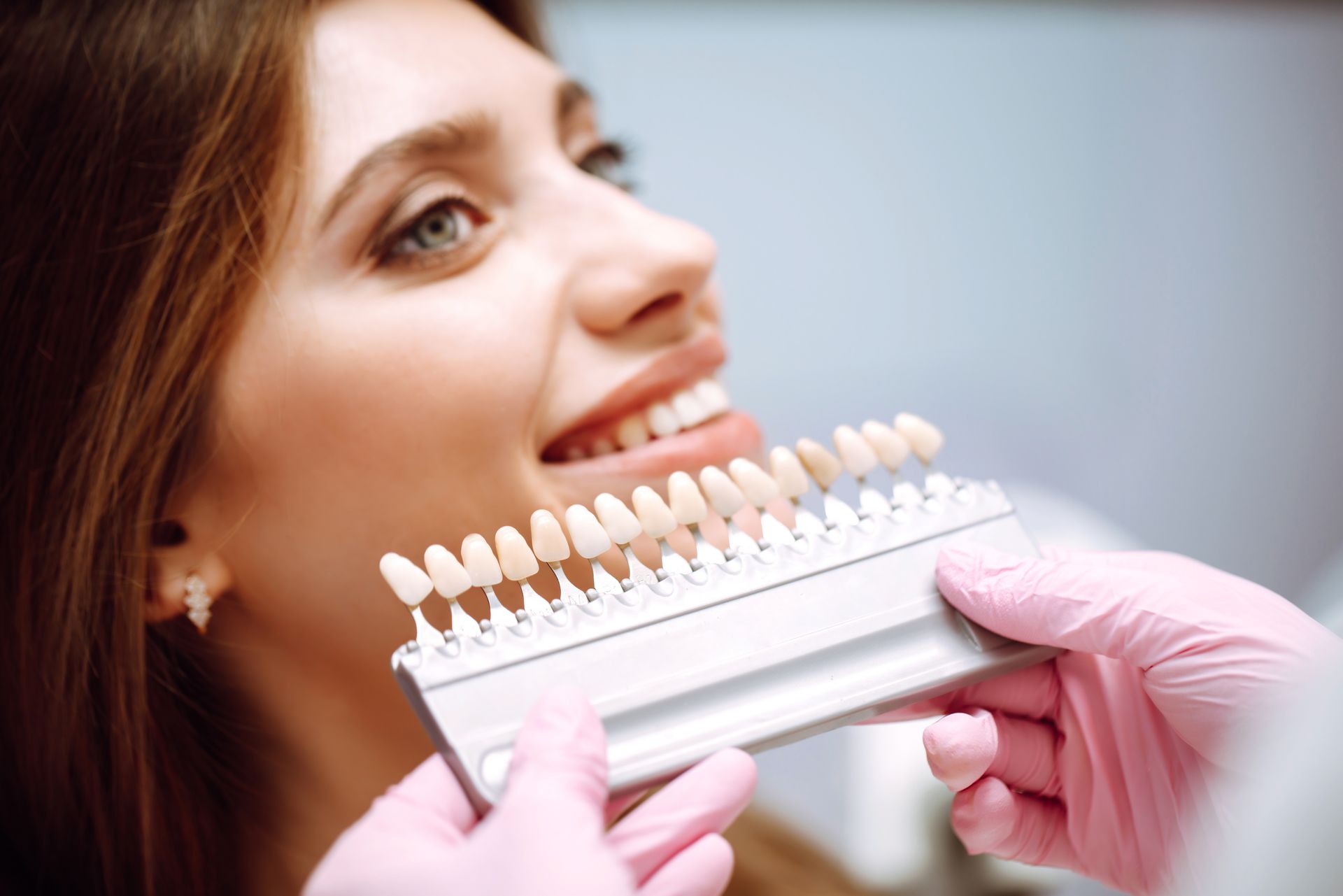
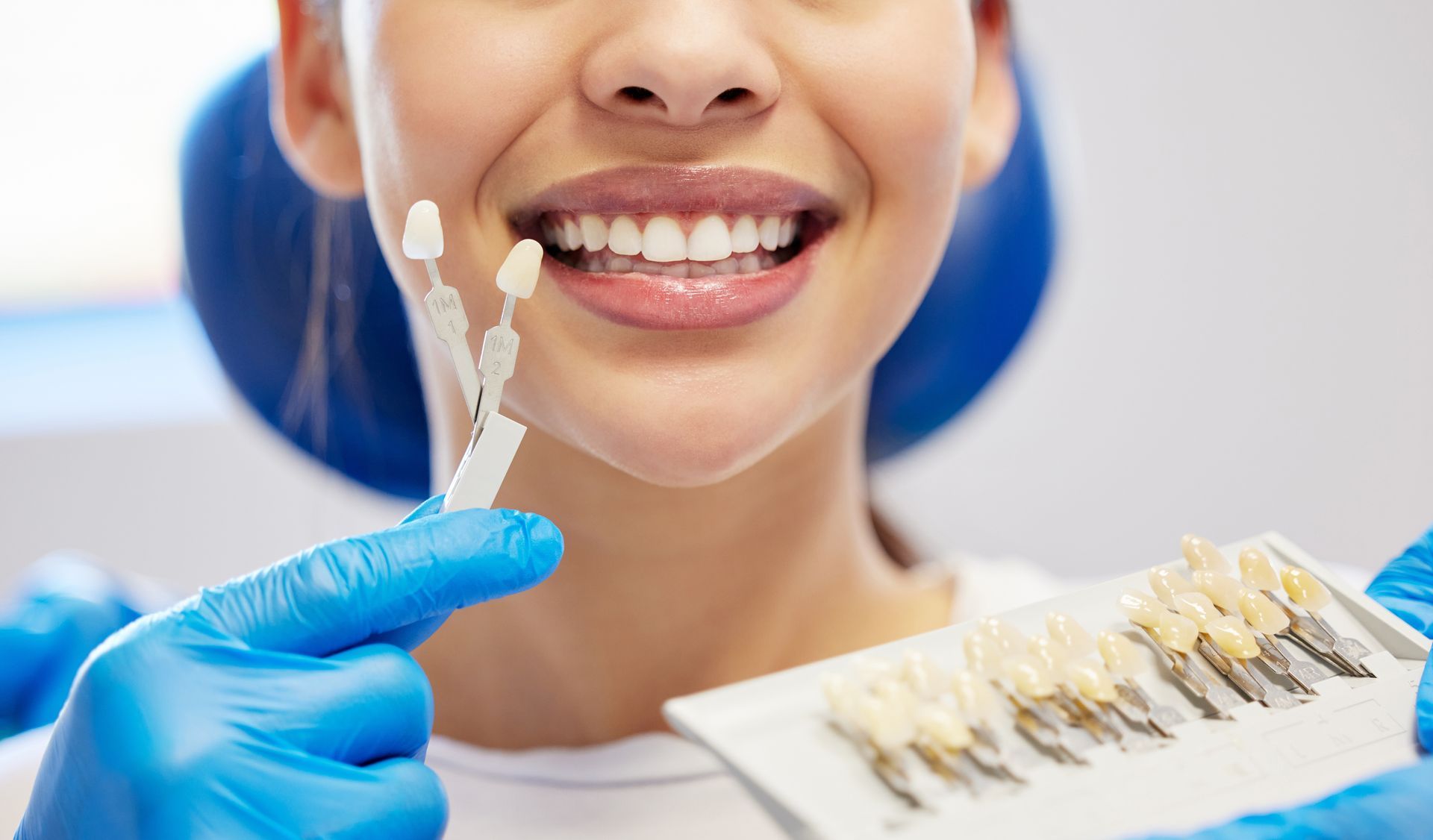
Your dentist prepares the front of the teeth by removing a thin layer of enamel, takes impressions, and a dental lab fabricates custom shells matched to your desired shade and shape. At a second visit, the veneers are bonded permanently to your teeth. The result is an immediate, dramatic change in color, shape, and surface. Our dental veneers page covers the process in detail.
What Veneers Can Fix
- Multiple cosmetic issues at once across several teeth
- Significant discoloration that whitening cannot address
- Chips, cracks, and worn edges
- Gaps and minor spacing
- Misshapen or uneven teeth
Veneers deliver a complete smile transformation and resist stains better than natural teeth or bonding. The tradeoff is that they require removing enamel, which makes them permanent. For a comparison of veneer materials specifically, our porcelain vs composite veneers guide goes deeper.
The Core Differences
The two treatments differ in a few fundamental ways that drive the decision.
The biggest difference is the material and how it is applied. Bonding uses composite resin sculpted directly onto your tooth by hand in one visit. Veneers use custom porcelain made in a lab and bonded over two visits. Porcelain is harder, more stain-resistant, and more lifelike than composite resin, which is why veneers cost more and last longer.
The second key difference is how much of your tooth is involved. Bonding usually removes little or no enamel, keeping the treatment conservative and often reversible. Veneers require removing a thin layer of enamel, which cannot grow back, making them a permanent commitment. Once you have veneers, those teeth will always need veneers.
These two differences (material and tooth involvement) explain almost every other difference between the treatments, from cost to durability to appearance.
A third difference worth understanding is how the result is created. Bonding is sculpted by hand, in the moment, by your dentist, so the artistry happens chairside and can be adjusted on the spot. Veneers are designed and fabricated in a lab from impressions or digital scans, which allows for a high degree of precision and consistency but takes longer and cannot be tweaked the same way once made. This is why bonding is better suited to small, single-tooth touch-ups and veneers excel at uniform, multi-tooth transformations.
Side-by-Side Comparison
Here is the full comparison on one screen.
| Factor | Dental Bonding | Veneers |
|---|---|---|
| Material | Composite resin | Porcelain (usually) |
| Number of visits | One | Two |
| Enamel removal | Little to none | Thin layer removed |
| Reversible | Often yes | No (permanent) |
| Cost | Lower | Higher |
| Lifespan | 3 to 10 years | 10 to 20 years |
| Stain resistance | Lower (can stain) | High |
| Best for | Minor, single-tooth fixes | Full smile transformations |
| Appearance | Good | Most natural and uniform |
| Repairable | Easy to touch up | Usually requires replacement |
| Time to result | Same day | About two weeks |
Cost Compared
Cost is often the first question, and it is one of the clearest differences between the two.
Bonding Is More Affordable
Dental bonding costs significantly less per tooth than veneers. It uses less expensive materials, requires no lab work, and is completed in a single visit. For patients fixing one or two minor issues on a budget, bonding is the affordable choice.
Veneers Are a Bigger Investment
Veneers cost more per tooth because of the custom porcelain, the lab fabrication, and the two-visit process. For a full smile of veneers, the total is a meaningful investment. However, the cost reflects a result that lasts much longer and looks more natural.
Factoring In Lifespan
When comparing cost, consider lifespan. Bonding may need redoing every few years, while veneers can last 15 years or more. Over time, the per-year cost gap narrows. We review exact pricing and financing at your consultation; our insurance and financing page covers the options.
For example, bonding that needs replacing two or three times over fifteen years can approach the cost of a veneer placed once over that same period. This does not mean veneers are always the better value, since the upfront cost is real and bonding may be all that a minor issue requires, but it is worth running the math over the full time horizon rather than comparing only the first price tag.
Durability and Longevity
How long each lasts is a major practical difference.
Bonding Lifespan
Composite bonding typically lasts three to ten years depending on where it is placed, how well it is cared for, and your habits. The resin can chip, wear, and stain over time. The upside is that it is easy and inexpensive to touch up or repair when it does.
Veneer Lifespan
Porcelain veneers typically last 10 to 20 years with good care. Porcelain is harder and more durable than composite resin, and it resists staining far better. When veneers do need replacement, it is a more involved process than touching up bonding, but it happens far less often.
What Affects Both
Habits matter for both treatments. Biting hard objects, grinding your teeth, and poor oral hygiene shorten the lifespan of bonding and veneers alike. A night guard for grinders and good daily care protect either investment.
Diet plays a role too. Coffee, tea, red wine, and tobacco stain composite bonding faster than they affect porcelain veneers, which is one reason bonding may look less fresh over time. Regular dental cleanings help keep both looking their best and give your dentist a chance to catch any chips or wear early, while they are still easy to repair.
Appearance and Natural Look
Both improve your smile, but the finish differs.
Bonding looks good and is a major improvement for minor issues, but composite resin does not have the translucency of natural enamel the way porcelain does. Up close and over time, bonding can look slightly less natural and may pick up stains that the surrounding teeth do not.
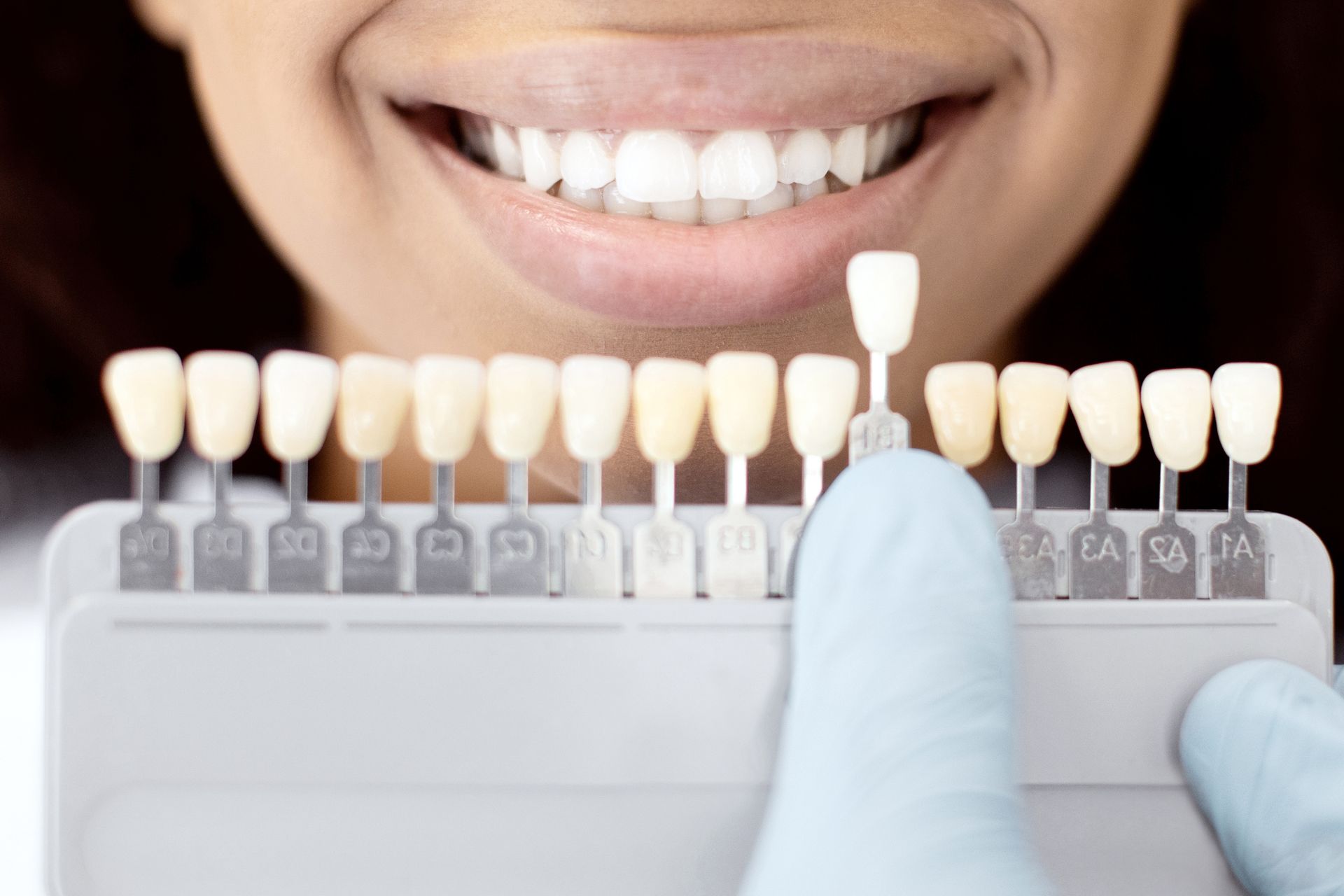
Veneers, particularly porcelain, are the gold standard for a natural look. Porcelain reflects light much like natural enamel, and a skilled lab matches the shape, shade, and surface texture to create a result that is difficult to distinguish from natural teeth. For a full smile makeover where uniformity matters, veneers deliver the most polished result. Our
smile makeover page covers how veneers fit into a complete transformation.
When Bonding Is the Better Choice
Bonding is the smarter pick in these situations.
You Have Minor, Isolated Issues
For a single chipped tooth, a small gap, or one discolored tooth, bonding fixes the problem quickly and affordably without committing to veneers across your smile.
Budget Is a Priority
If cost is the deciding factor, bonding delivers a real cosmetic improvement at a fraction of the price of veneers. It is the most accessible entry into cosmetic dentistry.
You Want a Conservative, Reversible Option
Because bonding removes little or no enamel, it preserves your natural tooth and can often be undone or adjusted later. For patients who want to avoid permanent changes, bonding is the conservative choice.
You Want It Done Today
Bonding is completed in a single visit, so you walk out with the improvement the same day. For a quick fix before an event, that speed is a real advantage.
When Veneers Are the Better Choice
Veneers are the smarter pick in these situations.
You Want to Transform Multiple Teeth
For a full smile makeover across several teeth, veneers deliver a uniform, dramatic result that bonding cannot match at scale. When the goal is a complete transformation, veneers are the standard.
You Want the Longest-Lasting Result
If you would rather invest once and not think about it for 15 years, veneers are the durable choice. Their longevity and stain resistance make them lower-maintenance over time.
You Have Significant Discoloration
For deep stains that whitening cannot fix, veneers cover them completely with a uniform color that bonding may struggle to match consistently across a full smile.
Natural Appearance Is the Priority
When the most natural, lifelike result matters most, porcelain veneers are the gold standard. The translucency and craftsmanship produce a finish that is hard to beat.
How to Decide for Your Smile
The right choice comes down to a few questions about your goals and situation.
Ask yourself: Am I fixing one minor issue or transforming my whole smile? Is budget my main constraint, or am I prioritizing a long-lasting, natural result? Do I want to preserve my natural teeth and keep the option reversible, or am I comfortable with a permanent change? Do I need it done today, or can I wait a couple of weeks for a more durable result?
If you are fixing something small on a budget, bonding usually wins. If you want a lasting transformation and the most natural finish, veneers usually win. For some patients, a mix makes sense, bonding on a tooth or two and veneers elsewhere, which is exactly the kind of plan a consultation sorts out.
To find the right option for your smile,
contact West Valley Dental to schedule a cosmetic consultation. We serve patients across Tukwila, Seattle, and the surrounding communities, offer both treatments, and will recommend what fits your goals and budget.

Frequently Asked Questions
Is bonding or veneers better?
Neither is universally better; they suit different goals. Bonding is more affordable, faster, and more conservative, ideal for minor fixes. Veneers cost more and are permanent but last longer and look more natural, ideal for full transformations. The right choice depends on what you want to fix and your budget.
How long does dental bonding last compared to veneers?
Bonding typically lasts three to ten years, while porcelain veneers last 10 to 20 years. Veneers are more durable and stain-resistant, but bonding is easier and cheaper to repair when it wears or chips. Habits like grinding affect both.
Is bonding cheaper than veneers?
Yes, significantly. Bonding uses less expensive material, requires no lab work, and is done in one visit. Veneers cost more per tooth due to custom porcelain and the two-visit process. Over their longer lifespan, though, the per-year cost gap between them narrows.
Does bonding or veneers damage your teeth?
Bonding usually removes little or no enamel, so it is very conservative and often reversible. Veneers require removing a thin layer of enamel, which cannot grow back, making them permanent. Neither damages teeth when done properly, but veneers involve a permanent change.
Can you switch from bonding to veneers later?
Yes. Because bonding is conservative, many patients start with bonding and move to veneers later if they want a more dramatic or longer-lasting result. A consultation can map out whether starting with bonding makes sense for your situation or whether veneers are the better first step.