Porcelain Veneers in Seattle: Costs, Benefits, and Who's a Good Candidate

If you're looking up porcelain veneers in Seattle, you probably want a smile that looks brighter, more even, and more "you." Here's the straight answer: porcelain veneers can be an excellent option if your teeth and gums are healthy and you want to improve color, shape, chips, or small gaps, but they are not the best fit for everyone.
This guide is written from the perspective of a cosmetic dental team that plans veneer cases often, uses smile design photos and scans, works closely with dental labs, and sees what helps veneers last, and what causes problems. The goal is to give clear, practical information so you can make a confident decision.
Porcelain Veneers in Seattle: The Quick Take
What veneers can fix (and what they can't)
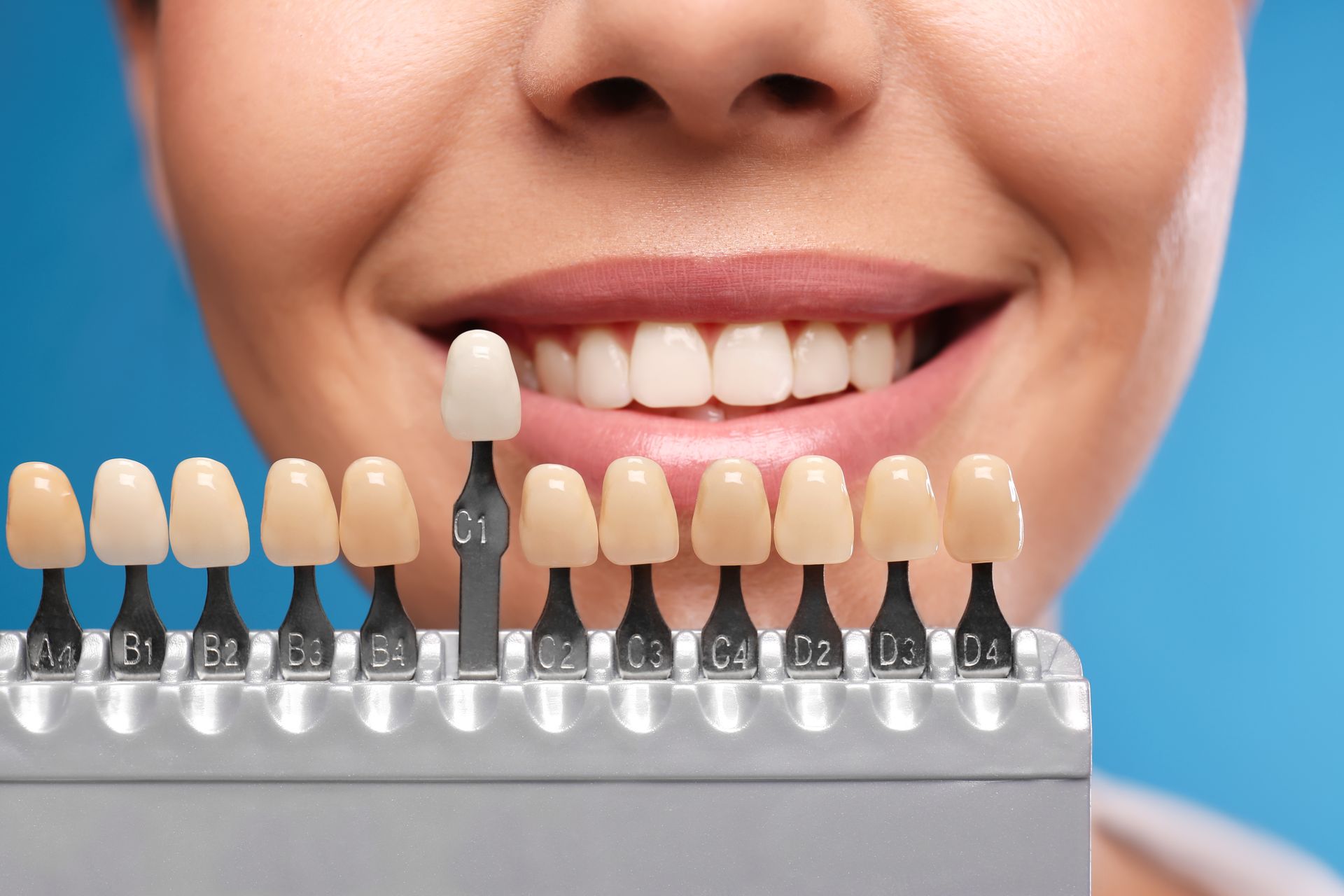
Porcelain veneers are thin shells that bond to the front of teeth. They can help with stains that don't whiten well, chipped or worn edges, small gaps, uneven shapes or sizes, and mild crowding or slightly crooked teeth.
Veneers are usually not the best solution for active gum disease or untreated cavities, severe bite problems (heavy grinding without protection), major tooth misalignment (often better addressed with orthodontics first), or teeth with very little enamel left for bonding.
Why "Seattle pricing" varies from patient to patient
Veneer cost isn't one-size-fits-all. In the Seattle area, pricing shifts based on how many teeth you treat, how customized the design is, which lab is used, and whether you need extra steps like gum contouring or bite adjustments.
What Are Porcelain Veneers?
Veneers vs. crowns (coverage and tooth preservation)
A veneer covers the front surface of the tooth. A crown covers most or all of the tooth. In many cases, veneers preserve more natural tooth structure than crowns because they don't wrap around the entire tooth. That said, if a tooth is weak, heavily filled, or badly damaged, a dental crown may be the safer choice.
Common smile concerns veneers address
Veneers are often used for a smile makeover look because they can change shade (whiter and more even), shape (more symmetrical teeth), edge wear (restoring length), small spacing (closing gaps), and minor alignment issues (creating a straighter look). Learn more about our full range of cosmetic dentistry options in Tukwila if you're weighing more than one treatment.
Types of Veneers to Know Before You Compare Costs
Porcelain veneers
Porcelain is known for a natural, bright look with good translucency. Many people choose porcelain because it is highly stain resistant and holds its color well over time.
Composite veneers
Composite veneers are made from tooth-colored resin. They can cost less and may be done faster, but they tend to stain more easily than porcelain, chip more easily, and need more maintenance over time. Composite can be a great choice for certain cases, especially if you want a more conservative or budget-friendly option. See our comparison of porcelain vs. composite veneers for a deeper breakdown of the tradeoffs.
No-prep and minimal-prep veneers (when they're appropriate)
No-prep or minimal-prep veneers may work when teeth are small, set back, or need added volume, but they are not right for every smile. If you add veneer thickness without the right plan, teeth can look bulky or gums can get irritated. A good dentist will explain what prep level is best for your bite, tooth shape, and goals.
How Much Do Porcelain Veneers Cost in Seattle?
Typical cost ranges you may see (per tooth vs. smile zone)
Most quotes are based on per tooth when only a few teeth need changes, or a smile zone price covering the front teeth that show when you smile. In the Seattle area, porcelain veneers are generally priced in the low-to-mid thousands per tooth, depending on the case and level of customization. Your total cost depends mostly on how many teeth you treat and what is included in the plan.
What a veneer quote should include
A good quote should clearly list smile planning (photos, scans, design), tooth preparation if needed, lab-made veneers, temporary veneers if used, final placement and bite adjustment, and any follow-up visit for comfort and fit. If your quote feels vague, ask what is included and what could be added later.
Financing and payment options to ask about
Many offices offer financing or phased treatment planning. During your consult, ask what payment options are available, whether treatment can be staged if you're doing several teeth, and whether there are any discounts for paying in full.
What Impacts Veneer Pricing Most
Number of teeth being treated and case complexity
A single veneer costs less than a full smile. Complexity also matters, matching one tooth perfectly to neighboring teeth can take extra planning and lab work.
Materials, lab craftsmanship, and customization level
Porcelain quality and lab work make a big difference in natural translucency, color matching, shape and surface texture, and fit and comfort. Custom work takes time, and that's often reflected in price.
Dentist experience and technology used for planning
Experience matters because veneers are as much design as they are dentistry. Digital scans, high-quality photos, and careful smile design improve predictability and help avoid surprises.
Add-on procedures that can change total cost
Some smiles need extra steps like whitening before veneers to match a brighter final shade, gum contouring for a more even gumline, minor reshaping of teeth, or nightguard planning for grinders. These can affect total cost, but they often meaningfully improve the final result.
Benefits of Porcelain Veneers
Natural appearance and smile design customization
Porcelain can look very lifelike. A well-designed veneer can mimic natural enamel while improving symmetry and brightness, the kind of results that are hard to achieve with whitening alone.
Stain resistance and long-term color stability
Porcelain veneers tend to resist stains better than composite. That's a big reason many patients choose them for long-term aesthetics.
Durability and longevity expectations
With good care, many veneers last 10–15 years or longer. Longevity depends on bite forces, habits like chewing ice, and daily oral care.
Minimal tooth reduction compared to more aggressive options
In many cases, veneers require less removal than crowns. The goal is to bond to strong enamel whenever possible.
Fast, noticeable results
Compared to orthodontics, veneers can deliver a major visual change in a shorter time, often within a few visits once planning is complete.
Who's a Good Candidate for Porcelain Veneers?
Healthy teeth and gums (what needs to be treated first)
Good candidates typically have healthy gums with no active gum disease, any cavities treated first, and stable oral hygiene habits. If there's gum inflammation, it's best to resolve that before cosmetic work begins.
Enough enamel for bonding (and how prep level is decided)
Veneers bond best to enamel. If enamel is thin or damaged, your dentist may recommend a different option or adjust the plan to improve long-term strength.
Bite forces and grinding (when a nightguard becomes part of the plan)
If you grind or clench, veneers can chip over time without protection. Many patients benefit from a nightguard to protect the investment. If teeth grinding is a concern, it's worth addressing before any cosmetic work, our team can discuss options during your smile makeover consultation.
Realistic expectations for shade, shape, and symmetry
Veneers can do a lot, but "perfect" is personal. A good plan includes a clear preview of the goal and a conversation about how natural vs. dramatic you want the final look to be.
The Porcelain Veneers Process
Consultation and smile planning (photos, scans, goals, preview)
The process usually starts with a conversation about your goals, photos and digital scans or impressions, shade and shape planning, and a preview or mock-up in some cases.
Tooth preparation and comfort options
If prep is needed, the dentist gently shapes the tooth so the veneer fits naturally. Comfort options include strong local anesthesia and, for patients who need it, sedation support. We offer several sedation options to keep the experience comfortable from start to finish.
Impressions or digital scans + lab fabrication
Your veneers are custom made by a dental lab using your scan or impressions and the design plan. This is where craftsmanship makes the biggest difference.
Temporary veneers (what to expect while you wait)
Some cases use temporaries while the lab makes the final veneers. You may need to avoid very hard foods and be gentle with flossing, your dentist will show you exactly how.
Final placement and bonding (fit, shade check, bite adjustment)
At delivery, your dentist will confirm fit and shade, bond the veneers with strong dental adhesive, adjust your bite for comfort, and polish and check your smile in different lighting.
Follow-up visit and long-term check-ins
A follow-up helps confirm your bite feels right and your gums are adapting well. Regular dental cleanings help keep everything healthy long after placement.
Risks and Limitations to Consider
Irreversibility and enamel removal considerations
Most veneers involve some tooth alteration. That means it's usually a long-term commitment and should be planned carefully, not rushed.
Sensitivity and adjustment period
Some people feel short-term sensitivity after prep or bonding. It typically improves as your teeth settle over the following days or weeks.
Chipping and detachment risks, and how to reduce them
Veneers can chip or come loose if you bite nails, chew ice, use teeth as tools, or grind without a nightguard. A well-designed bite and good daily habits significantly lower that risk.
Color limitations (why whitening timing matters)
Veneers don't whiten like natural teeth. If you want a brighter smile, whitening is done before veneers so everything matches at the start.
Veneers vs. Other Cosmetic Options
Veneers vs. professional teeth whitening
Professional teeth whitening is great for overall brightness, but it won't fix chips, gaps, or uneven shapes the way veneers can. If color is your only concern, whitening is worth exploring first.
Veneers vs. dental bonding
Bonding can be quicker and lower cost, but it stains and wears faster than porcelain in most cases. It can be a good short-term or budget-conscious option for minor issues.
Veneers vs. crowns
Crowns are better when a tooth needs full coverage for structural strength. Veneers are often better when the tooth is healthy and the goal is cosmetic improvement with minimal removal.
Veneers vs. orthodontics for alignment-focused concerns
If the main issue is alignment, orthodontics may be the better long-term solution. Veneers can create the look of straighter teeth, but they don't move teeth, and in some cases, straightening first produces a better veneer result with less tooth prep. Our orthodontics team in Tukwila can help you figure out which path makes more sense for your situation.
Caring for Porcelain Veneers So They Last
Daily habits (brushing, flossing, non-abrasive products)
Treat veneers like natural teeth: brush twice daily, floss daily, use non-abrasive toothpaste if recommended, and keep up with regular dental cleanings.
Foods and behaviors to avoid
Avoid chewing ice, crunching hard candy, using teeth to open packages, and biting pens or nails. These habits are the most common cause of early veneer damage.
Regular cleanings and how maintenance protects your investment
Cleanings help prevent gum inflammation and protect the veneer edges over time. If you grind, a nightguard can greatly extend veneer life and is one of the smartest add-ons you can invest in.
Choosing the Right Veneers Dentist in Seattle
What to look for in training, planning, and aesthetic results
Look for a dentist who shows real case examples, explains the plan clearly, and discusses bite, gum health, and long-term maintenance, not just the cosmetic outcome.
Technology and lab partnership questions that matter
Ask whether they use digital scans and detailed photos for planning, which lab they work with, and how they ensure shade and shape match your face and smile goals.
How to compare estimates transparently
When comparing quotes, make sure you're looking at the same inclusions: whether temporaries are included, whether a follow-up is included, and whether there's any warranty or remake policy.
Book a Veneers Consultation in Seattle
A good consultation should clarify whether porcelain veneers are right for your teeth and bite, whether minimal-prep is possible for you, how many teeth should be treated for a natural look, and a realistic timeline and total cost estimate.
Contact West Valley Dental to schedule your visit, the best results come from clear planning, strong bonding, and a bite designed to keep your veneers looking great for years.

Frequently Asked Questions About Porcelain Veneers
Do porcelain veneers look fake or obviously "done"?
They don't have to. The key is in the design, shade selection, translucency, surface texture, and how the veneers interact with your gumline and the rest of your face. Overly white, uniform veneers tend to look unnatural. A well-planned set mimics how real enamel catches light. Looking at before-and-after examples from your specific provider is the best way to gauge their aesthetic sensibility before committing.
Can I get veneers on just one or two teeth, or does it have to be a full set?
You can absolutely get one or two veneers. The challenge is matching them to your existing teeth, color, translucency, and surface texture all need to blend seamlessly. In some cases, whitening the surrounding teeth first makes the match easier. A skilled lab and an experienced dentist can achieve a very natural result on a single tooth, though it requires more careful planning than a full set.
How do I know if I need veneers or just whitening?
If your main concern is overall brightness and your teeth are otherwise well-shaped with no chips or gaps, professional whitening is a much simpler and less expensive starting point. Veneers make the most sense when you're also dealing with shape, size, chips, or spacing, or when your staining is intrinsic (built into the tooth structure) and doesn't respond well to whitening. A consultation can help clarify which approach fits your actual situation.
Will getting veneers hurt?
The preparation appointment involves some tooth shaping, but it's done under local anesthesia so you shouldn't feel pain during the procedure. Some sensitivity in the days following prep is normal as teeth adjust. The bonding appointment is typically comfortable. If dental anxiety is a concern, sedation options are available to make the whole process easier.
What happens to veneers as I age, will they need to be replaced?
Veneers are not permanent, but they are long-lasting. Most porcelain veneers last 10–15 years or more with proper care. Over time, they may need to be replaced due to normal wear, a chip, or changes in your gum line. When replacement is needed, the process is similar to the original, your dentist removes the old veneer and bonds a new one. Planning for eventual replacement is part of making a well-informed decision upfront.