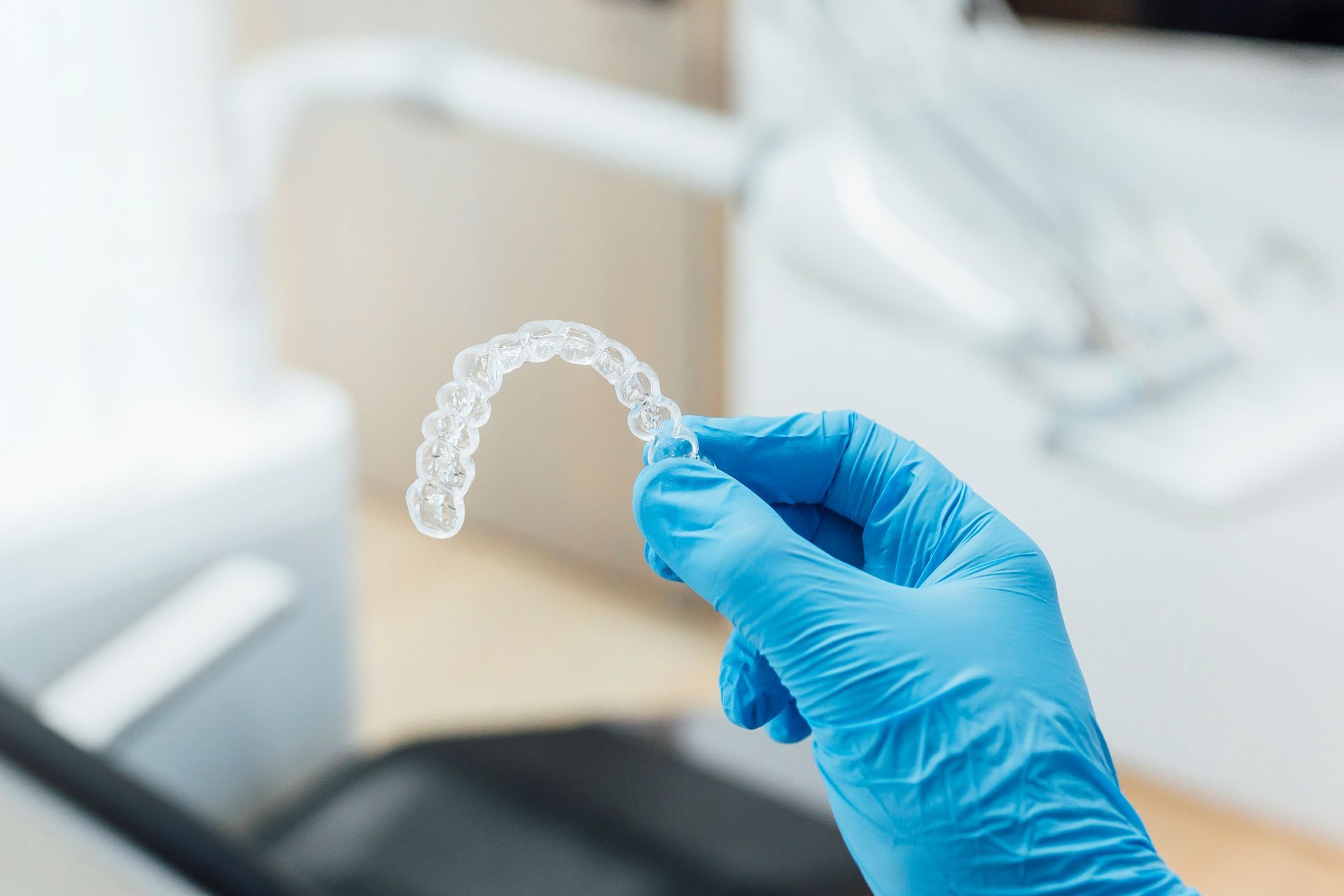
Dental Implants Dentist Near Me: 5 Questions to Ask at Your Consultation

If you're searching dental implants dentist near me, you're likely trying to find someone you can trust with a big decision. Here's the simple truth: a good implant consult should tell you if implants are right for you, what your options are, what it will cost, how long it will take, and what risks to watch for, in plain language.
This guide is written from the point of view of an implant-focused dental team that evaluates implant cases regularly, reviews 3D CBCT scans, builds step-by-step treatment plans, and coordinates care for surgical placement and the final tooth or teeth. The goal here is education, not hype, so you can ask better questions and feel confident choosing a provider.
Why Your Implant Consultation Matters
What a great consult should clarify (fit, timeline, cost, comfort)
A strong consultation should give you clear answers on five things: fit (are you a candidate right now, or do you need prep first?), options (single implant, bridge, implant-supported denture, or full-arch?), timeline (same-day temporary tooth vs. staged treatment), cost (what's included, what's not, and what could change the price), and comfort (numbing, sedation, and pain control). If you leave confused, rushed, or pressured, that's a sign to pause and get another opinion.
How asking the right questions helps you compare providers
When you Google implant dentist near me, you'll see many offices with similar claims. The fastest way to compare them isn't the ads or the photos, it's the answers. Asking the same questions at each consult lets you evaluate planning quality (do they use 3D imaging?), experience (how often do they do cases like yours?), treatment approach (conservative vs. one-size-fits-all), and total value (what you actually get for the price).

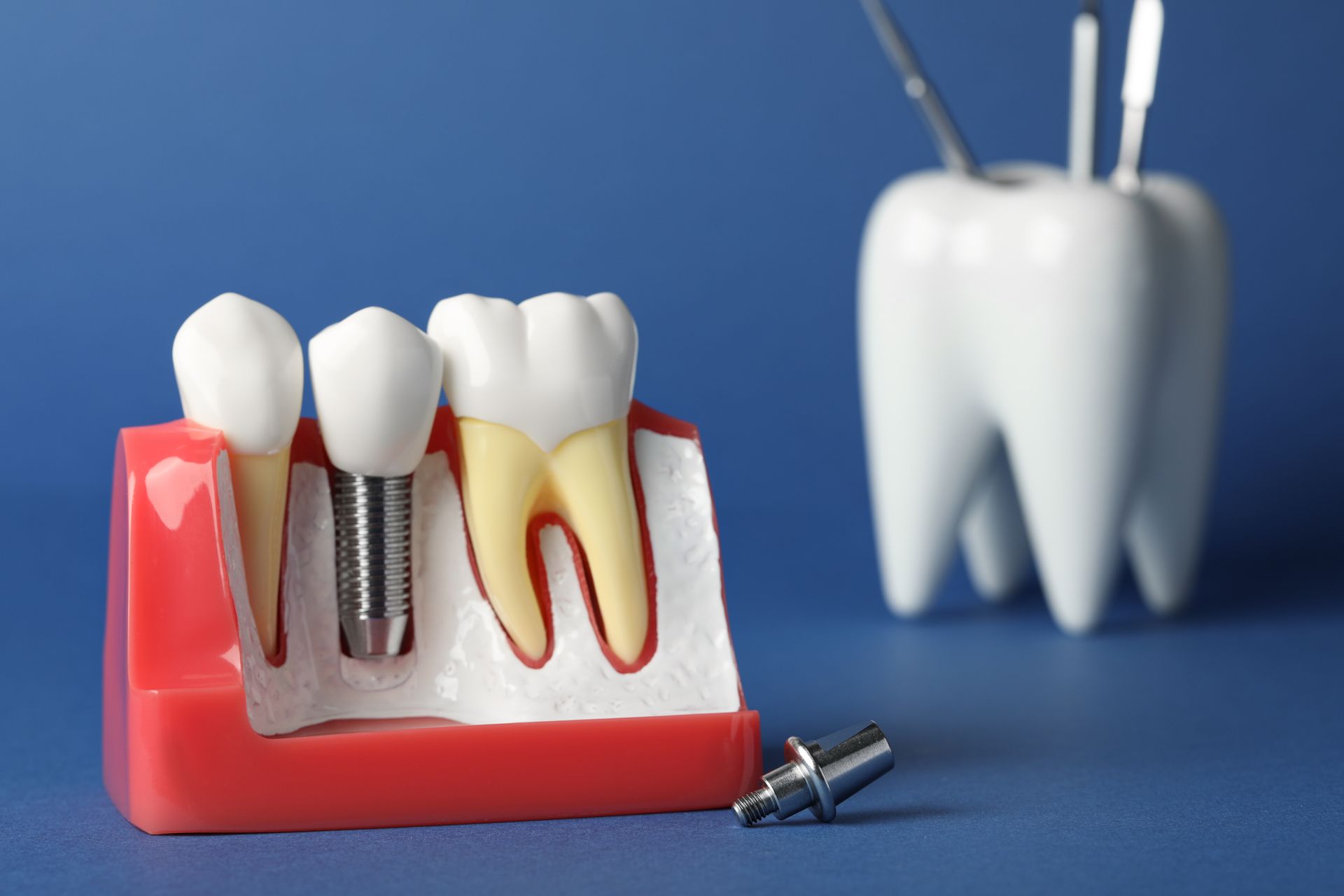
What to Bring and How to Prepare
Health history, medications, and past dental records
Bring a list of medications and supplements, any medical conditions (especially diabetes, heart conditions, or sleep apnea), allergies including antibiotics and pain meds, details on past dental work like root canals, gum treatment, or extractions, and any previous X-rays or records if you have them. These details affect safety, healing, and the final plan.
Symptoms and goals (function, aesthetics, budget, timing)
Before your visit, think through your top priorities. Do you mainly want to chew better? Do you care most about appearance? Are you trying to avoid a removable denture? Do you have a deadline like a wedding or job interview? Do you have a budget range you need to stay within? Clear goals help your dentist match you with the right option.
Insurance info and financing questions to have ready
Implants can be a big investment. Bring your insurance card even if you think it won't cover implants, your HSA or FSA information if you use it, and questions about financing, phased treatment, and exactly what the estimate includes. A good office won't be vague about money.
What Happens During a Dental Implant Consultation
Exam, gum evaluation, and bite assessment
A consult usually includes checking your gums for inflammation or gum disease, looking at tooth wear, cracks, and how your bite fits together, reviewing missing teeth and the health of nearby teeth, and assessing your spacing, bone shape, and smile line. Your bite matters because heavy bite forces can raise the risk of implant and crown problems long-term.
3D imaging (CBCT) and why it changes the plan
A CBCT scan is a 3D image that helps plan implant placement safely. It shows bone thickness and height, nerve and sinus position, hidden infection or bone loss, and safer angles and implant size choices. Without 3D imaging, plans can be more "best guess", especially in tricky areas. Learn more about what to expect from a full dental implant evaluation at our Tukwila office.
Treatment plan options and what "phases" usually look like
Most implant plans happen in phases: removing failing teeth and treating infection if needed, implant placement surgery, healing time while bone bonds to the implant (osseointegration), and finally the crown, bridge, or denture on top. Some people qualify for same-day temporary teeth. Others do better with staged healing.
The Five Questions to Ask Your Dental Implants Dentist Near Me
1. Am I a good candidate for implants, and why?
This is the most important question. You want a reasoned answer, not a quick "yes."
Your provider should walk through bone support and density based on the scan, gum health and infection risk, medical factors that affect healing like smoking or uncontrolled diabetes, and your bite and grinding habits. Implants can be successful for many people, but the plan should match your individual risk level.
When extra procedures like bone grafting or a sinus lift are recommended, ask why. These aren't upsells when they're truly needed, they're often what makes the result more predictable. Our oral surgery team handles these preparatory steps and can walk you through what's involved before any implant is placed.
2. Which implant solution fits my case best?
Not all missing-tooth problems need the same solution. Ask your dentist to explain the options and why one is better for your specific situation.
Common choices include a single implant and crown (replaces one tooth without trimming nearby teeth), a bridge (may use natural teeth or implants to support a replacement), or an implant-supported denture (snaps in or can be fixed, depending on design). Each has tradeoffs for cost, cleaning, feel, and durability.
If you're missing most or all teeth in an arch, you may also want to ask about All-on-4 dental implants or other full-arch fixed options. Your bone, bite, and goals help decide what fits best.
3. What is my exact timeline from start to final tooth?
You should leave the consultation with a timeline you can picture on a calendar.
Some cases allow a temporary tooth or bridge quickly. Others need healing time after extraction, graft healing time, and implant healing time before the final tooth goes in. A safe plan is better than a rushed one. Ask specifically how long you'll be on softer foods, when stitches come out if used, when the final crown or bridge is made, and how many follow-up visits are expected. This helps you plan work, travel, and daily life around treatment.
4. Who will perform each step of my treatment?
This matters more than most people realize.
Implant care can involve a general dentist who plans and restores implants, an oral surgeon or periodontist who places implants surgically, and a prosthodontist who focuses on complex restorations. The best setup is the one that provides clear planning, skilled surgery, and a strong final restoration, plus good communication at every step.
Also ask who makes the crown or bridge (in-house or outside lab), who handles adjustments, and who you call if something feels off after the procedure. Good continuity reduces headaches later.
5. What will it cost, and what does the estimate include?
This question protects you from surprise fees.
A complete estimate should include the exam and imaging, surgical placement, implant parts (implant and abutment), the crown or bridge or denture, temporaries if needed, possible grafting or extraction fees, and sedation if chosen. If an estimate looks unusually simple, ask what's missing. For a detailed breakdown of what drives implant pricing in this area, see our guide to dental implant costs near Tukwila, WA.
Also ask about financing options and monthly payments, any insurance benefits that apply, warranty terms, and long-term maintenance costs like cleanings or a nightguard if you grind.
Comfort and Safety Questions You Shouldn't Skip
Sedation options and pain control plan
Many people worry about pain. A good plan covers local anesthesia, optional sedation if appropriate, post-op medications and what's safe to take, and what level of pain is normal versus what warrants a call to the office. We offer several sedation options so you can choose the level of comfort that works best for you. You should know what the experience will feel like before you start.
Infection prevention, sterilization, and risk reduction
Ask how your provider reduces risk through clean surgical protocols, CBCT-guided planning, clear aftercare instructions, and follow-up visits designed to catch issues early.
What complications look like and how they're handled
No one wants complications, but you should know the plan if they happen, a loose temporary crown, persistent swelling, bite issues that overload an implant, or signs of infection. A good provider doesn't dismiss concerns; they explain the response protocol upfront.
How to Compare Two "Near Me" Implant Providers Fairly
Credentials, implant experience, and case examples
Ask about experience with cases like yours (single tooth vs. full arch), before-and-after examples that match your situation, and a clear explanation of why they recommend a certain approach. Experience matters most when your case is complex.
Technology checklist (CBCT, guided surgery, digital impressions)
Useful tools include CBCT for 3D planning, guided surgery for precise placement when appropriate, and digital scanning for better-fitting restorations. Technology isn't everything, but it improves predictability when used well.
Materials and restoration quality (temporary vs. final, zirconia vs. acrylic)
Ask what your final tooth or teeth will be made of and why. Temporary options during healing are often acrylic, while stronger final materials like zirconia or porcelain are more durable long-term. Quality materials and good bite design often matter more than a fast timeline.
Communication, follow-up support, and long-term maintenance plan
You want a team that explains things clearly, has a real follow-up schedule, and gives you a maintenance plan to protect your investment over time.
Red Flags to Watch for During the Consultation
One-size-fits-all recommendations
If every patient gets the same plan without detailed reasoning, be cautious. Your mouth is unique and your plan should reflect that.
No 3D imaging or vague treatment planning
Implants are surgery. If the plan feels vague or imaging is minimal, ask why, and consider it a yellow flag if the answer isn't satisfying.
Unclear pricing, missing inclusions, or rushed decision-making
You should never feel pressured to "sign today." Clear planning and clear pricing should always come before a commitment.
After the Consultation: Next Steps
Review your treatment plan and estimate at home
Take a day to read through the plan. Make sure you understand what happens first, what's included, and what could change the timeline or cost. Write down any questions you didn't think of during the appointment.
What to schedule first (extractions, grafting, implant placement, impressions)
Your first step depends on your case. It may be treating infection or gum disease, removing a failing tooth, bone grafting, implant placement, or impressions and scans for a temporary or final restoration. A good plan always explains the "why" behind the order.
Book Your Implant Consultation
If you're still comparing a dental implant specialist near me, the best next step is an exam plus 3D CBCT imaging, that's how you get answers based on your actual bone, bite, and health rather than generalizations. Contact West Valley Dental to schedule your consultation and bring these questions with you.

Frequently Asked Questions
Is one consultation enough, or should I get a second opinion?
One consult is enough if you feel confident in the plan, the provider used 3D imaging, and the estimate is itemized and clear. A second opinion is worth getting if you felt rushed, the plan seemed vague, the price was dramatically lower than other quotes without explanation, or you're facing complex treatment like full-arch replacement or significant bone grafting. It's a major procedure, there's no harm in making sure.
What's the difference between seeing a general dentist vs. a specialist for implants?
Many general dentists are highly trained in implant placement and restoration and can handle straightforward cases well. Specialists, oral surgeons, periodontists, and prosthodontists, tend to be the right call for complex situations involving significant bone loss, multiple missing teeth, full-arch cases, or high medical risk. The most important question isn't the title; it's how much experience they have with cases like yours specifically.
Can I get implants if I have gum disease?
Active gum disease needs to be treated before implants are placed, bacteria levels and inflammation around the implant site directly affect whether osseointegration succeeds. That said, a history of gum disease doesn't automatically disqualify you. Once the infection is controlled and gum health is stable, implants are often still a viable option. Your provider should assess this during the consultation rather than giving a blanket yes or no.
How far in advance should I schedule a consultation before I actually need the implant?
The sooner, the better, especially if there's any chance you'll need preparatory work like bone grafting. Grafts can require several months of healing before implant placement, and implants themselves need time to integrate before the final crown goes on. If you have a deadline in mind (a wedding, a trip, a job), work backward from that date and give yourself at least 6–12 months of runway when possible. The consultation will give you a much clearer picture of your specific timeline.
What questions should I ask about the implant warranty?
Ask specifically what is covered (the implant itself, the crown, the abutment), how long the warranty lasts, and what voids it (certain habits like smoking or grinding without a nightguard often affect coverage). Also ask whether the warranty is tied to staying a patient at that practice, and what happens if the implant fails, is a replacement included, or does the process start over at full cost? A provider who stands behind their work should answer these questions without hesitation.