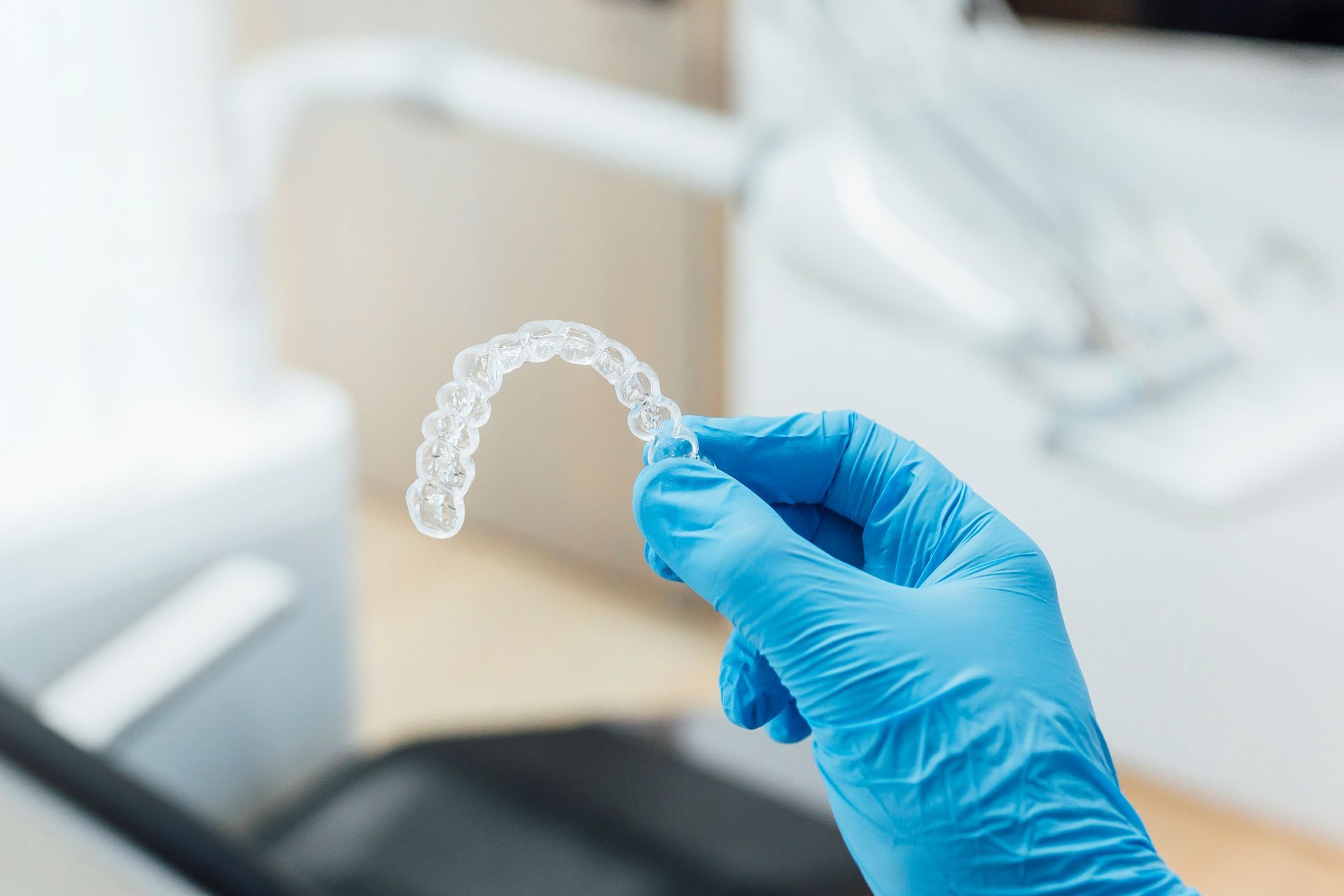
Dental Implants Cost Near Me: What Tukwila Patients Can Expect to Pay

If you're searching "dental implants cost near me" in Tukwila or the Seattle area, you want a clear answer. The honest truth is that implant pricing depends on your mouth, your goals, and what's included in the quote. At West Valley Dental in Tukwila, our team regularly evaluates implant cases, reviews 3D scans, builds step-by-step treatment plans, and explains cost ranges in plain language, so patients can compare options and plan confidently.
Why "Dental Implant Cost Near Me" Is Hard to Answer With One Number
Dental implants aren't a single procedure. They're a process with multiple parts, visits, and possible add-ons. Two people can both "need an implant," but one may need bone grafting and sedation, while the other doesn't. That difference can change the total cost a lot.
This guide helps you understand:
- What an implant quote usually includes
- Why prices vary so widely
- What to ask so you can compare estimates fairly
- How Medicare, insurance, and financing can affect out-of-pocket costs
What Dental Implants Are and What "Implant Cost" Usually Includes
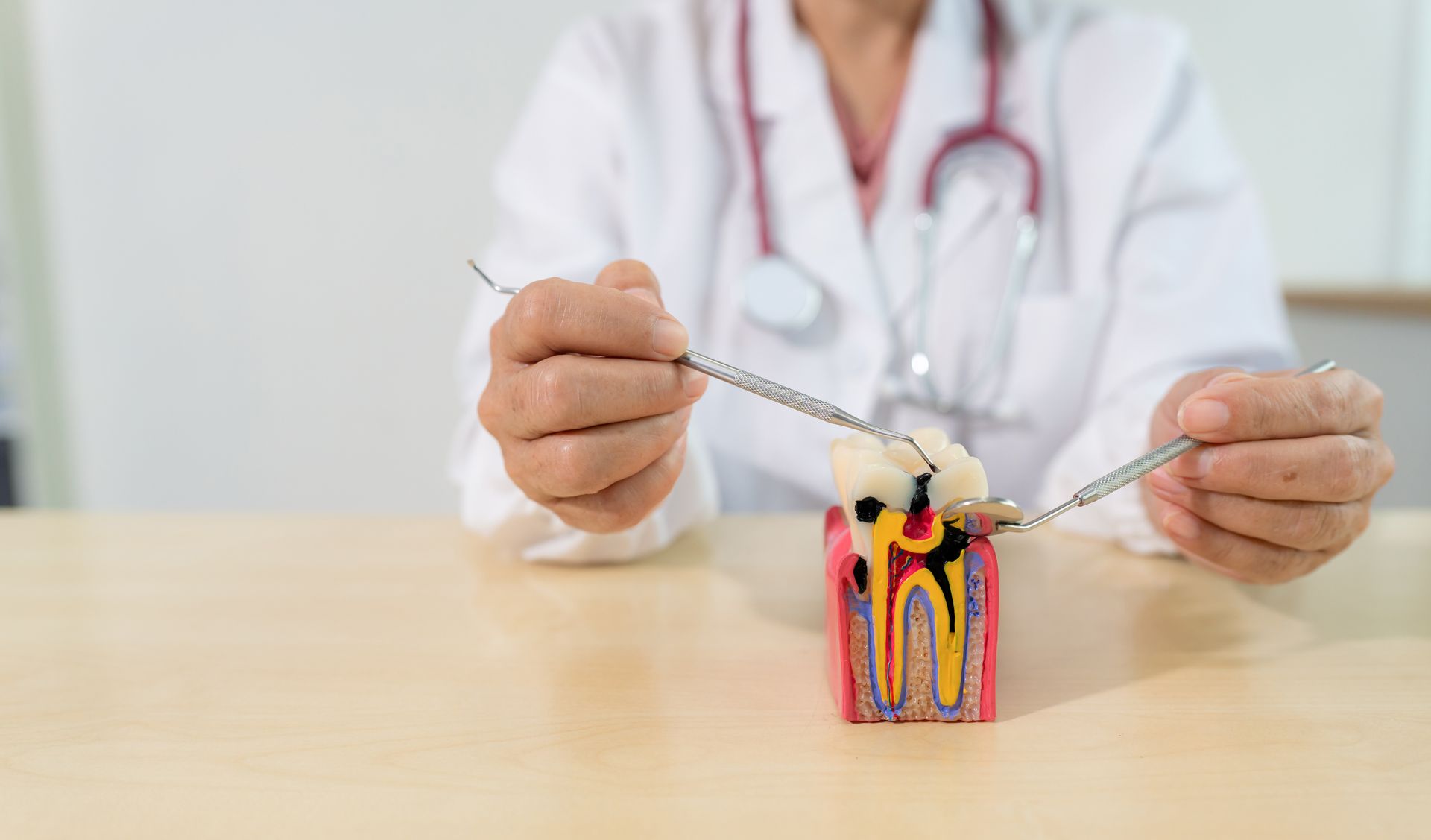
A dental implant replaces a missing tooth root with a titanium implant placed in the jawbone. After healing, it supports a tooth or teeth that look and function like natural teeth.
The parts of an implant restoration
A complete implant tooth replacement often has three main parts:
- Implant post: the "root" placed in bone
- Abutment: the connector between the implant and the tooth
- Crown: the visible tooth (often zirconia or porcelain)
Some offices quote only the implant surgery (the post). Others quote the full start-to-finish cost (post + abutment + crown). Always confirm what's included.
Common services bundled into implant treatment
Depending on the office and your needs, a full quote may include:
- Exam and dental records review
- X-rays and/or a 3D CBCT scan (also called a 3D CT scan)
- Surgical implant placement
- Follow-up visits
- The final restoration (crown, bridge, or denture)
- Lab and materials fees
Treatment types that affect price
Different implant solutions have different price ranges:
Single-tooth implant Replaces one missing tooth with one implant and one crown.
Implant-supported crown/bridge Replaces one or several teeth. A bridge can sometimes use fewer implants than teeth being replaced.
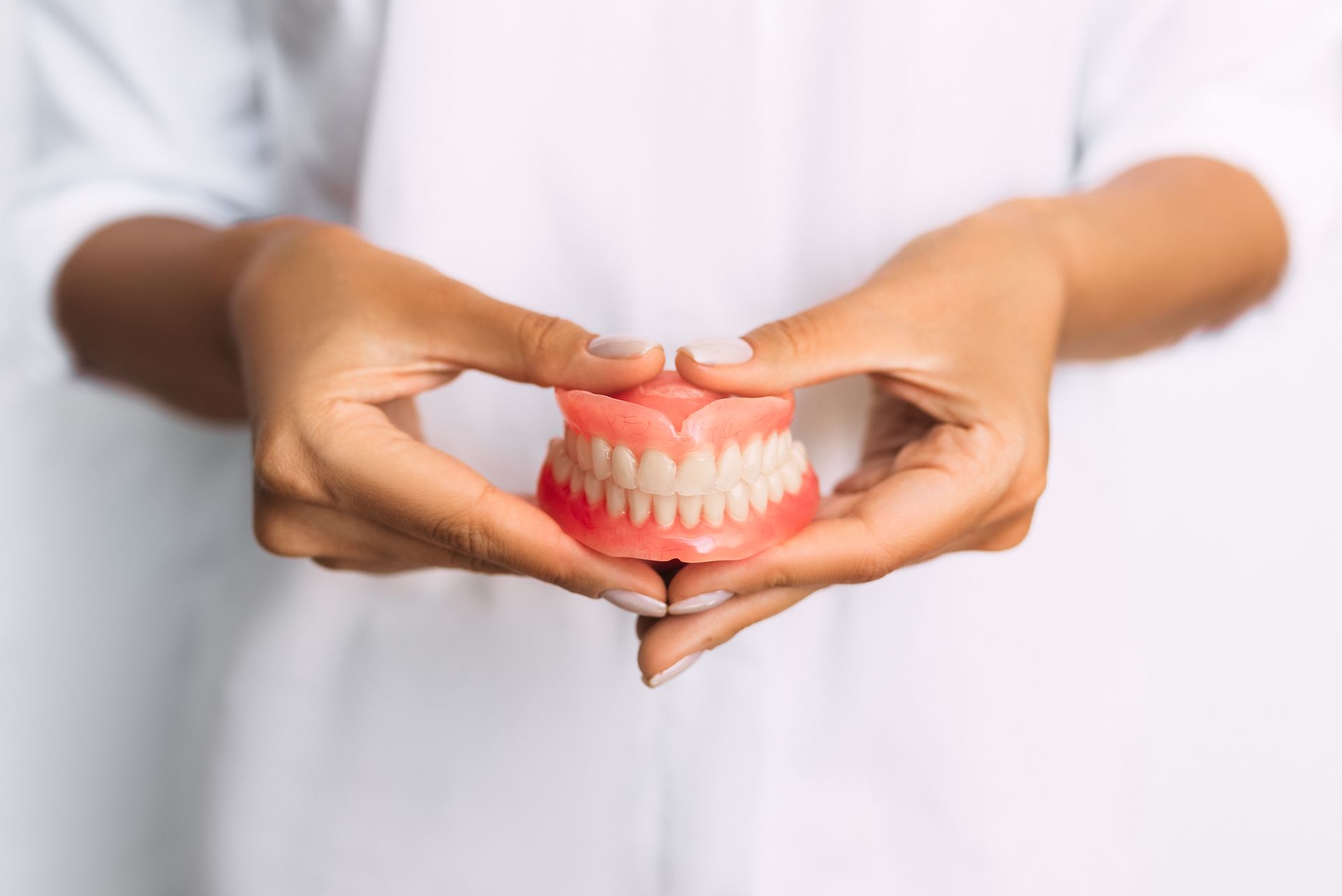
Implant-supported dentures (removable "snap-on") Also called snap-on implant dentures. These can be more affordable than fixed full-arch teeth.
Full-arch fixed options (e.g., All-on-4 style solutions) Often called fixed full arch implants. These can restore a full upper or lower arch with a set number of implants and a fixed bridge.

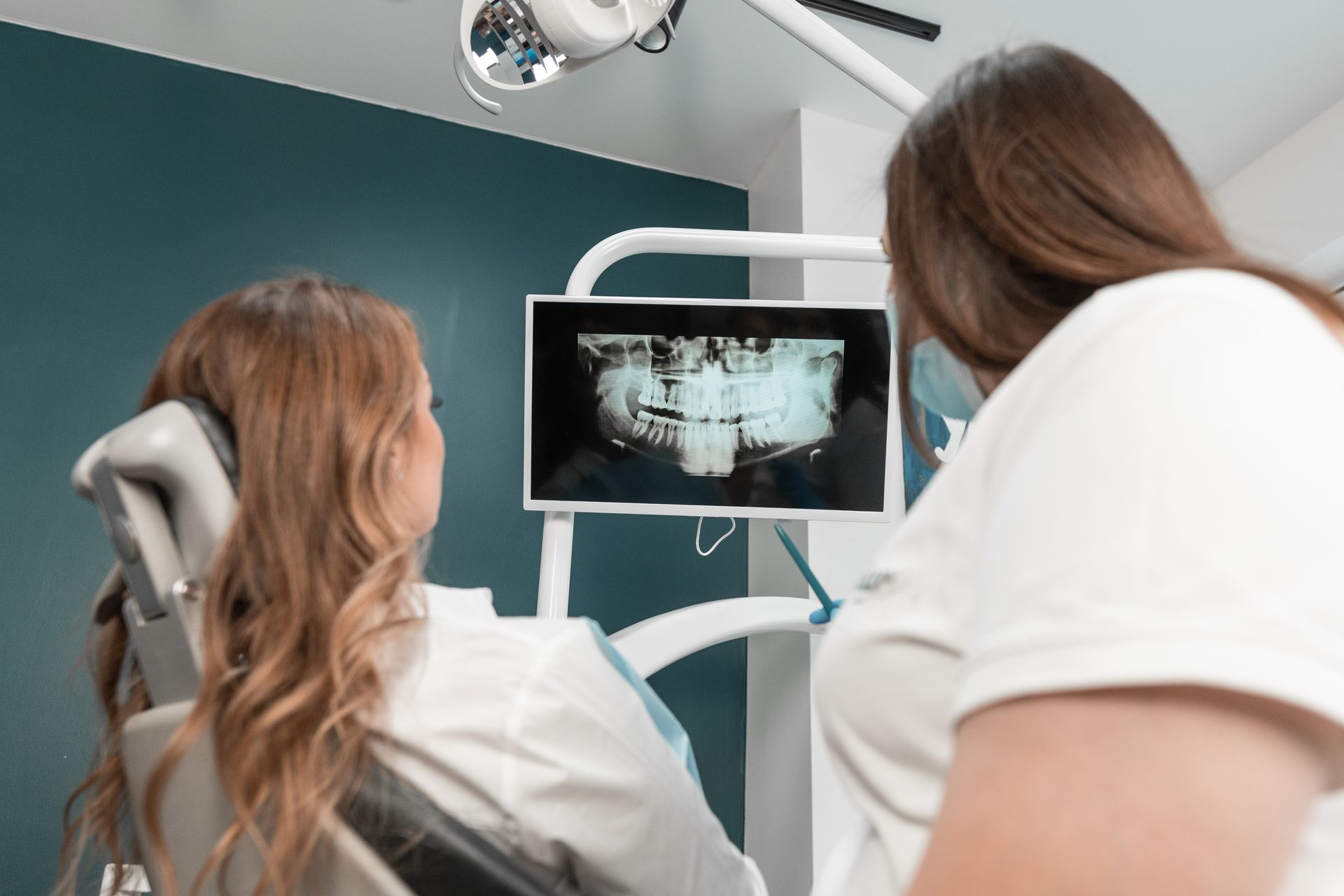
Typical Price Ranges Tukwila Patients Will See (And What Those Ranges Represent)
Implant fees vary by region, materials, complexity, and what's included. The ranges below are general planning numbers, not a personal quote.
Single-tooth implant pricing (per tooth)
A common dental implant cost per tooth range for a complete single-tooth implant (implant + abutment + crown) is often a few thousand dollars per tooth, and many sources commonly cite ranges around $3,000–$6,000 for a full single-tooth implant case.
What a "per-tooth" quote usually covers vs common add-ons:
- Often included: implant placement, abutment, crown, basic follow-ups
- Common add-ons: tooth removal, bone grafts, sedation, temporary tooth, upgraded materials, extra imaging
Multiple teeth and implant-supported options
When multiple teeth are missing, the best value isn't always "one implant per tooth." Options may include:
- Implant-supported bridges (fewer implants supporting several teeth)
- Implant-supported dentures (removable)
These can lower total cost compared to replacing every tooth individually, depending on your bite, bone, and goals.
Full-arch implants and why the pricing spread is so large
If you're researching all-on-4 dental implants cost, you'll see a wide range because full-arch treatment can mean different things:
- Removable implant denture vs fixed teeth
- Number of implants used (All-on-4 vs All-on-6)
- Type of final teeth (acrylic vs zirconia, etc.)
- Whether extractions, grafting, or "temporary teeth" are included
Many clinics and published guides list All-on-4 ranges commonly around $20,000–$35,000 per arch, with variation based on what's included and case complexity.
The Biggest Factors That Change Your Dental Implant Cost
Here are the most common reasons two implant quotes don't match.
Your starting point
Your mouth today matters. Cost can change based on:
- Bone level and bone loss prevention needs
- Gum health and infection
- Bite forces (clenching/grinding)
- Condition of nearby teeth and old restorations
Surgical complexity and site preparation
Some patients need extra steps before the implant can be placed:
- Tooth removal (extraction)
- Ridge preservation after extraction
- Bone grafts to rebuild lost bone
- Sinus lift for upper back teeth
These steps can add time and cost, but they can also improve stability and long-term success.
Comfort and anesthesia
Your comfort plan affects cost:
- Local anesthetic (numbing)
- Oral sedation
- Deeper sedation (case-dependent)
Sedation fees vary based on the type used and monitoring required.
Technology, materials, and lab fees
Higher-tech planning and higher-end materials can increase fees, but they can also improve precision and durability:
- 3D planning with a CBCT scan
- Quality of implant components (post/abutment system)
- Crown material (porcelain vs zirconia)
- Lab craftsmanship and customization
Provider experience, care model, and warranty
Implant fees can reflect:
- The provider's experience and case volume
- Whether surgery and restoration are coordinated in one office or split between offices
- Post-op support, maintenance, and any implant warranty terms
Transparent Pricing vs "Low Advertised Price" Quotes
Low ads can be tempting, but make sure you're comparing the same thing.
Common line items that can appear later
Costs that sometimes show up after the "headline price":
- CBCT imaging fees
- Sedation fees
- Extractions
- Bone grafting/sinus lift
- Temporary teeth during healing
- Upgrades to stronger materials
- Extra follow-up visits or adjustments
What an all-inclusive quote often includes
An all-inclusive plan usually spells out "start-to-finish" costs, including:
- Exam and imaging
- Surgery and follow-ups
- The final restoration (crown/bridge/denture)
- Known needed add-ons (if identified at the consult)
Always ask for a written breakdown that lists what's included and what's optional.
Questions to ask so you can compare estimates fairly
Use these questions at any implant consultation:
- What is included in the quoted price?
- What conditions would increase the cost?
- What restoration type is included (single crown, bridge, denture, fixed full-arch)?
- What warranty or maintenance expectations come with the treatment?
Insurance and Medicare: What Might (and Might Not) Reduce Your Out-of-Pocket Cost
Coverage is one of the biggest "wild cards" in implant cost.
Why Original Medicare is usually not the solution for implant costs
In most cases, Original Medicare (Parts A & B) does not cover routine dental services or items like implants.
When Medicare-related coverage might apply indirectly
There are limited situations where Medicare may pay for dental services when they're integral to another Medicare-covered medical service (for example, dental treatment tied closely to a covered medical procedure). These cases are specific and require documentation and verification.
Medicare Advantage plans with dental benefits
Some Medicare Advantage (Part C) plans include dental benefits, but details can vary a lot by plan and market. It's common to see limits like:
- Annual maximums
- Waiting periods for major services
- Network restrictions (in-network providers)
- Coverage exclusions or partial coverage rules
Plan marketing can be confusing, so check the Summary of Benefits and call the plan to confirm how implants are handled.
Other ways patients reduce implant costs
Depending on your situation, you may be able to reduce costs by:
- Using a dental plan that covers major services (if available)
- Considering discount plans (not insurance)
- Timing treatment around benefit periods (when appropriate)
- Choosing an implant-supported bridge/denture instead of replacing every tooth individually
Financing and Payment Options for Dental Implants
Many patients plan implants as a budget project, not a surprise expense.
Monthly payment options and third-party financing
Some offices offer monthly payment plans through third-party financing. Approval and terms depend on credit and the lender's rules. Ask what interest rates, time frames, and fees apply. Learn more about insurance and financing options at West Valley Dental.
Using HSA/FSA and staged treatment planning
If you have an HSA or FSA, it may help with eligible costs. Another strategy is staged treatment planning, such as:
- Phase 1: exam, imaging, extraction, grafting (if needed)
- Phase 2: implant placement
- Phase 3: final crown/bridge/denture
Staging can make costs more manageable and keeps decisions from feeling rushed.
What to Expect at a Tukwila Implant Cost Consultation
A good consult should leave you with clarity, not confusion.
Typical consult steps
A typical implant evaluation may include:
- Exam and bite check
- Review of health history and medications
- Imaging (often a 3D CBCT scan for planning)
- Discussion of options (single, bridge, snap-on, fixed full-arch)
- A written treatment plan and estimate
The timeline that influences total cost
Implants take time because the implant must bond with bone (osseointegration). Healing time is often several months in many cases, depending on the site and whether grafting was needed.
Your timeline affects how many visits are needed and what temporary options you may choose.
How to leave the consult with clarity
Before you leave, ask for:
- A written estimate with line items
- A list of what's included vs optional
- Alternatives (and what you gain/lose with each)
- The expected schedule from surgery to final teeth
Choosing the Right Implant Provider in Tukwila
Price matters, but it's not the only factor.
What matters beyond price
Look for:
- Clear communication and transparent estimates
- Strong diagnostics (including 3D imaging when needed)
- A plan for comfort (numbing, sedation options)
- Thoughtful materials and lab quality
- Long-term maintenance guidance and realistic expectations
How to compare two offices apples-to-apples
To compare fairly, make sure both quotes match on:
- Same treatment type (single implant vs bridge vs denture vs fixed full-arch)
- Same inclusions (imaging, sedation, grafting, temporaries)
- Same materials (abutment type, crown material, full-arch teeth material)
- Same warranty/support assumptions
Next Steps for Tukwila Patients
What to bring to your appointment
To get the most accurate estimate, bring:
- Insurance cards and plan details
- Medicare Advantage plan documents (if applicable)
- Medication list and key medical history
- Any recent dental records or X-rays (if you have them)
How to move forward confidently
The best next step is a consultation that produces a clear diagnosis, a few treatment choices, and a written breakdown you can understand. When you know exactly what's included, what might change the cost, and what your alternatives are, you can make a decision based on facts, not pressure.
Ready to explore your options? Contact West Valley Dental to schedule your implant consultation in Tukwila.

Frequently Asked Questions About Dental Implant Costs in Tukwila
Why do some dental offices quote $1,500 for an implant while others quote $5,000?
The $1,500 quote likely covers only the implant post (the surgical placement), while the $5,000 quote includes the complete tooth replacement (post + abutment + crown). Some advertised prices exclude imaging, sedation, extractions, or bone grafting. Always ask for a written breakdown showing exactly what's included so you can compare quotes fairly. The lowest advertised price rarely represents your final out-of-pocket cost.
Can I get dental implants if I've been told I don't have enough bone?
Yes, in most cases. Bone grafting and sinus lift procedures can rebuild lost bone to create a stable foundation for implants. While these add to the timeline and cost, they significantly improve long-term implant success. During your consultation, 3D imaging will show your exact bone levels, and your dentist can explain whether grafting is needed and what that involves.
Does dental insurance cover any part of implant treatment?
Coverage varies widely. Some dental plans cover a portion of the crown (the visible tooth part) but not the implant post or surgery. Others may cover extractions or bone grafting as separate procedures. Original Medicare typically doesn't cover implants, though some Medicare Advantage plans include limited dental benefits. The best approach is to bring your insurance details to your consultation so the office can verify your specific coverage and provide accurate out-of-pocket estimates.
How does the cost of All-on-4 implants compare to traditional dentures?
Traditional dentures cost significantly less upfront (often $1,000–$3,000 per arch), while All-on-4 typically ranges from $20,000–$35,000 per arch. However, All-on-4 provides permanent, fixed teeth that don't slip, require no adhesives, and often last 15+ years with proper care. Traditional dentures need replacement every 5–7 years and can lead to continued bone loss. When comparing options, consider the long-term value, functionality, and quality of life, not just the initial price.
What happens if I can't afford the full treatment cost upfront?
Most dental offices offer flexible payment solutions. Options often include third-party financing with monthly payment plans, using HSA/FSA funds for eligible costs, or staging treatment into phases (extraction and grafting first, implant placement second, final restoration third). At West Valley Dental, we work with patients to create payment plans that fit their budget. The key is discussing your financial situation openly during the consultation so we can find a solution that works for you.