Full-Mouth Dental Implants Cost Near Me: Breaking Down Your Options

If you're researching full-mouth dental implants and wondering what they actually cost in your area, you're in the right place. At West Valley Dental, we've placed thousands of dental implants and helped patients navigate one of the biggest decisions they'll make for their oral health. Our team includes experienced implant specialists who work with advanced 3D imaging and in-house planning technology every single day. We know the questions you have because we hear them in every consultation,and we believe you deserve clear, straightforward answers before you ever sit in a dental chair.
This guide breaks down everything that goes into full-mouth implant pricing so you can make a confident, informed decision. No sales pitch. Just the facts.
What Full-Mouth Dental Implants Really Cost
General price range for full-mouth dental implants
Full-mouth dental implants typically cost between $20,000 and $50,000 per arch. For both upper and lower arches, you're looking at roughly $40,000 to $100,000 total. That's a wide range, and there's a reason for it. The final number depends on the type of implant procedure, the materials used, your oral health, and where you live.
Here's a side-by-side look at what each option typically costs per arch:
| Implant Option | Cost Per Arch | Cost for Both Arches | Best For |
|---|---|---|---|
| Implant-supported dentures | $10,000–$25,000 | $20,000–$50,000 | Budget-friendly upgrade from traditional dentures |
| All-on-4 dental implants | $15,000–$30,000 | $30,000–$60,000 | Most patients wanting a fixed, permanent solution |
| Same-day teeth | $18,000–$35,000 | $36,000–$70,000 | Patients who need immediate results |
| All-on-6 dental implants | $20,000–$35,000 | $40,000–$70,000 | Patients with more bone loss or wanting extra stability |
| Traditional full-mouth implants | $25,000–$50,000+ | $50,000–$100,000+ | Maximum customization and the most natural result |
These numbers include the full treatment in most cases, but not always. That's why understanding what's included in a quote matters just as much as the price itself.
Why prices vary so much from one provider to another
Two dental offices in the same city can quote you numbers that are $20,000 apart. That doesn't necessarily mean one is ripping you off and the other is a bargain. The difference usually comes down to the provider's experience, the quality of materials, the technology they use, and what's actually included in their quote.
A lower price might mean a less experienced provider, lower-grade materials, or a quote that leaves out key steps like extractions, bone grafting, or the final prosthetic. A higher price might reflect a surgeon with decades of full-arch experience, premium zirconia restorations, and a quote that covers everything from start to finish.
What "near me" usually means for local pricing
When you search for "full mouth dental implants cost near me," you're really asking what providers in your specific area charge. Dental implant costs are heavily influenced by local factors like the cost of living, average overhead for dental practices, and the number of implant providers competing for patients in your market. A practice in a major metro area will almost always charge more than one in a smaller city,but that doesn't automatically mean you should drive two hours to save money. Convenience, follow-up care, and the relationship with your provider all matter.
Your Main Full-Mouth Implant Options
Traditional full-mouth dental implants
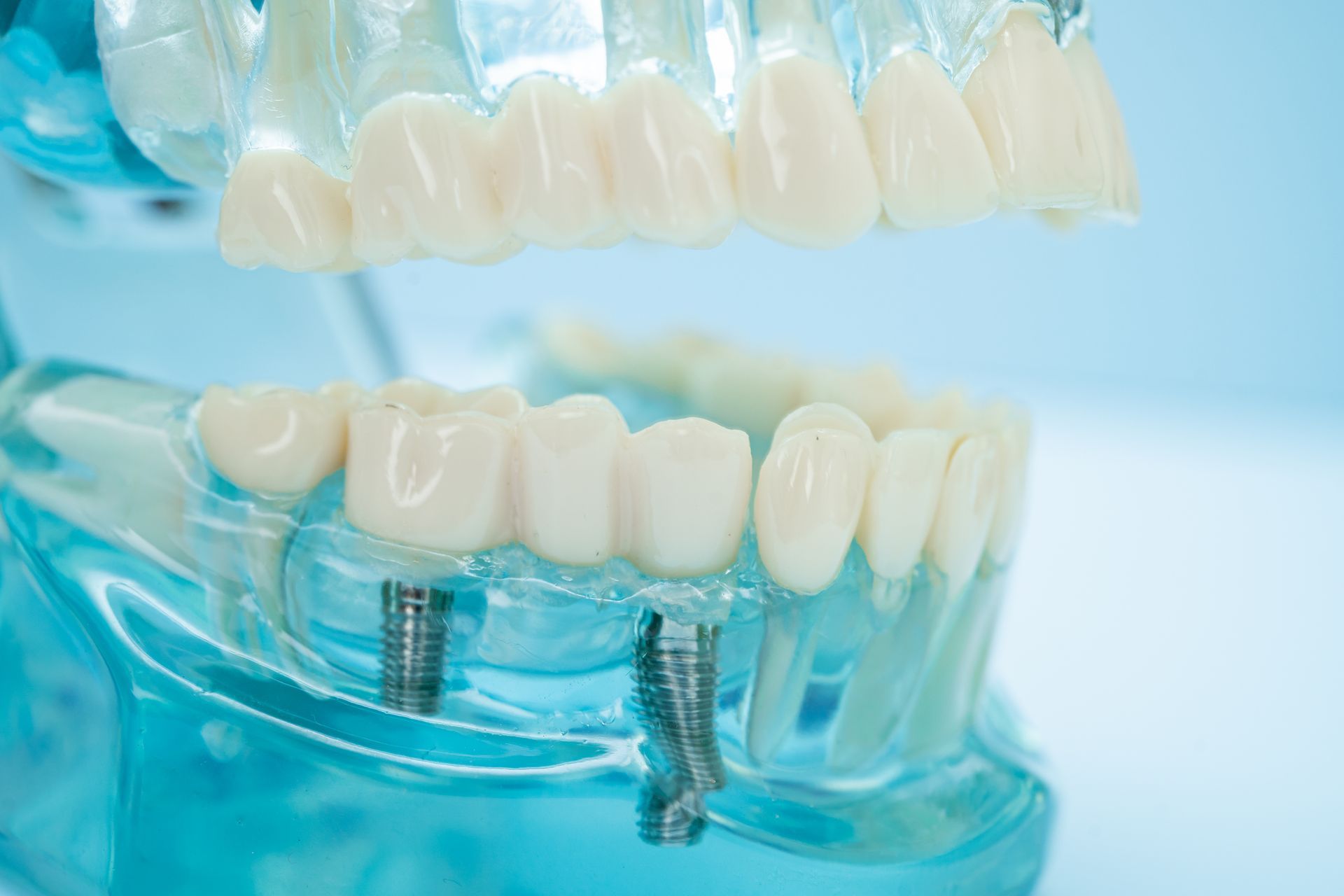
This approach uses individual implants,sometimes six to eight or more per arch,each topped with its own crown. It's the closest thing to replacing every tooth with its own root. It's also typically the most expensive and time-intensive option. For patients with strong bone density and a desire for the most natural result possible, it can be worth it. You can learn more about how dental implants work and whether they're the right fit for your situation.
All-on-4 dental implants
All-on-4 is one of the most popular full-arch solutions today. Four implants are placed strategically in the jawbone, and a full bridge is attached to them. The rear implants are angled to maximize contact with available bone, which often means patients can skip bone grafting. It's efficient, well-researched, and usually more affordable than placing individual implants for every tooth.
All-on-6 dental implants
All-on-6 follows the same concept but uses six implants per arch instead of four. The extra two implants provide added support and stability, which can be a better fit for patients with more bone loss or those who want extra peace of mind. Cost is slightly higher than All-on-4 but still well below traditional individual implants.
Implant-supported dentures
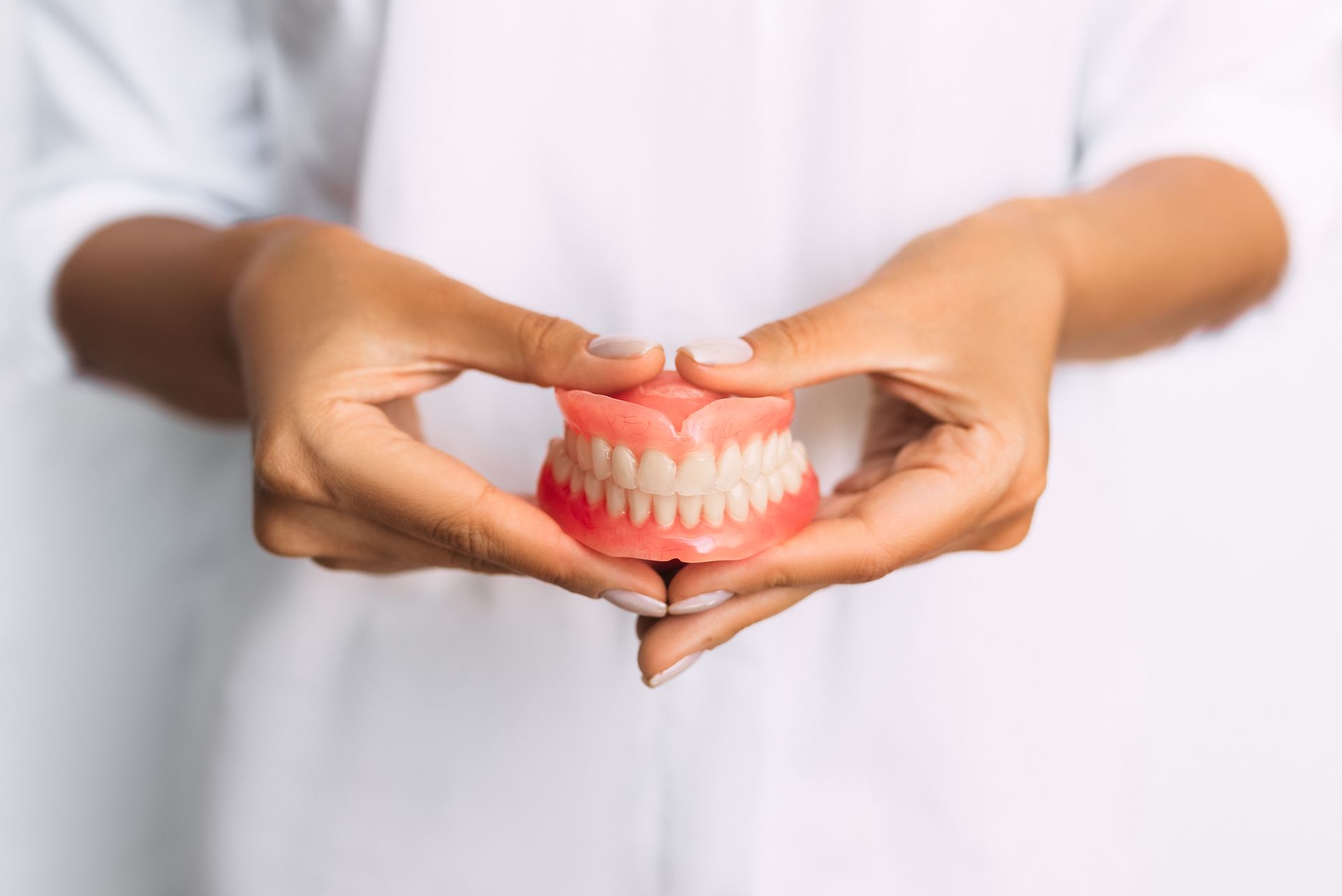
Implant-supported dentures are removable dentures that snap onto implants for stability. They're more secure than traditional dentures and more affordable than a fixed bridge. You get better chewing ability and confidence, but you'll still need to remove them for cleaning. For patients on a tighter budget who want a real upgrade from regular dentures, this is often the sweet spot.
Same-day teeth options
Some providers offer "teeth in a day" procedures where you receive temporary teeth on the same day as your implant surgery. You walk in with failing or missing teeth and walk out with a functional smile. The temporary set is later replaced with your permanent prosthetic. Same-day teeth options are convenient and can reduce the total number of appointments, though not every patient qualifies.
What's Included in the Cost
Understanding what's bundled into a quote,and what isn't,is one of the most important things you can do before committing. A complete treatment plan typically includes:
- Initial consultation, 3D CBCT scan, and digital treatment planning
- Any necessary tooth extractions and site preparation
- Implant placement surgery and sedation
- A temporary set of teeth worn during the healing period
- All follow-up visits during recovery
- The final permanent prosthetic (acrylic, zirconia, or hybrid)
If any of these items are missing from a quote you've received, ask for clarification before comparing it to another provider's price. Below is a closer look at each component.
Consultation, imaging, and treatment planning
Most providers charge for an initial consultation that includes a 3D CBCT scan, digital impressions, and a detailed treatment plan. Some offices include this in the total treatment price. Others charge it separately. Always ask.
Extractions and site preparation
If you have teeth that need to come out before implants go in, those extractions are part of the process. Some quotes include them. Some don't. If you need multiple teeth removed, this can add $1,000 to $3,000 or more to your total.
Implant surgery and sedation
This is the core of the procedure,placing the titanium implants into the jawbone. The cost covers the implants themselves, the surgical time, and typically some form of sedation. IV sedation or general anesthesia costs more than local anesthesia with oral sedation.
Temporary teeth
After implant placement, you'll usually wear a temporary set of teeth while your implants heal and integrate with the bone. This phase can last three to six months. The temporary prosthetic is functional but not your final restoration, and its cost should be included in your treatment plan.
Final prosthetic materials
Your permanent teeth,whether they're acrylic, zirconia, or a hybrid,are the last piece of the puzzle. This is often the single most expensive component of the treatment, and the material you choose has a big impact on the final price.
Additional Procedures That Can Increase the Price
Not everyone needs these, but they're common enough that you should know about them ahead of time.
Bone grafting
If your jawbone has thinned from years of missing teeth or gum disease, a bone graft builds it back up so implants have a solid foundation. Bone grafting can add $500 to $3,000 per site depending on the type and extent of grafting needed. It also adds healing time before implants can be placed.
Sinus lifts
For upper jaw implants, the sinus cavity can sometimes sit too close to where implants need to go. A sinus lift raises the sinus floor and adds bone underneath. This procedure typically costs $1,500 to $5,000 per side and is more common than most patients expect.
Gum or jaw preparation
Some patients need soft tissue work or minor jaw adjustments before implant placement. This might include gum reshaping or ridge augmentation to create a better foundation for the final prosthetic.
Replacing damaged or failing teeth before treatment
If you still have teeth that are cracked, infected, or severely decayed, they'll need to come out before the implant process can begin. Depending on how many teeth need extraction and their condition, this can add to both the cost and the timeline.
How Materials Affect Full-Mouth Implant Cost
Acrylic vs. zirconia
The two most common materials for full-arch prosthetics are acrylic and zirconia. Acrylic is lighter and less expensive, typically running $5,000 to $10,000 less per arch than zirconia. It works well but can stain, chip, or wear down over time.
Zirconia is stronger, more natural-looking, and significantly more durable. It resists staining and chipping far better than acrylic. Most patients who can afford the upgrade choose zirconia for its longevity and appearance.
Temporary teeth vs. final teeth
Your temporary set is designed to be functional during healing, but it's not built to last forever. The final prosthetic is custom-designed, color-matched, and made to hold up for years or even decades with proper care. Don't judge your final results by how your temporaries look or feel.
Durability, aesthetics, and long-term value
Cheaper materials save money upfront but may need replacement sooner. A zirconia bridge can last 20 years or more. An acrylic one might need repairs or replacement in 5 to 10 years. When you factor in replacement costs, the "expensive" option sometimes ends up being the more affordable one over time.
Why Full-Mouth Implant Prices Differ by Location
Local market and cost-of-living differences
A dental practice in Los Angeles or New York has significantly higher rent, staff salaries, and operating costs than a practice in a mid-sized city. Those overhead costs get built into treatment pricing. This doesn't mean urban providers are overcharging,it means they have higher costs to cover.
Specialist experience and credentials
A prosthodontist or oral surgeon with 20 years of full-arch experience and advanced training will likely charge more than a general dentist who recently started offering implants. Experience matters enormously with full-mouth cases. These are complex procedures, and the skill of your provider directly affects the outcome.
In-house lab technology and surgical approach
Practices that invest in their own milling machines, 3D printers, and digital design software can often deliver results faster and with greater precision. That technology costs money to acquire and maintain, which gets factored into pricing. However, it can also reduce the number of appointments you need and improve the quality of your final result.
Full-Mouth Dental Implants vs. Other Tooth Replacement Options
Implant-supported dentures vs. removable dentures
Traditional removable dentures cost $1,000 to $5,000 per arch,far less than implants. But they slip, they reduce your chewing ability, and they accelerate bone loss in the jaw. Implant-supported dentures cost more upfront but stay in place, preserve bone, and feel far more natural. For most patients, the upgrade is worth it.
Full-mouth implants vs. bridges
Traditional bridges rely on adjacent healthy teeth for support, which means grinding down those teeth. Full-mouth implants stand on their own and don't compromise surrounding teeth. Bridges are less expensive initially, but they don't last as long and can create problems for the teeth they're anchored to.
Upfront cost vs. long-term value
Dental implants are the most expensive tooth replacement option upfront. They're also the only option that can last a lifetime with proper care. Dentures need relining and replacement every 5 to 10 years. Bridges typically last 10 to 15 years. When you calculate what you'll spend over 20 or 30 years, implants often come out ahead.
How to Compare Quotes Without Overpaying
What to ask during a consultation
Walking into a consultation with the right questions puts you in control. Here are the most important ones to bring with you:
- How many full-arch implant cases have you completed?
- Who performs the surgery,you or a referred specialist?
- What implant brand and prosthetic materials do you use?
- Is everything handled in-house, or will I be sent to other offices?
- Can I see before-and-after photos of patients with similar cases?
- What happens if an implant fails during healing?
The answers to these questions tell you far more about the quality of care than the price tag alone.
What should be included in a treatment quote
A complete quote should cover the consultation and imaging, any extractions, the implants and surgery, sedation, temporary teeth, all follow-up visits, and the final prosthetic. If a quote doesn't break these items out or seems to be missing steps, ask for clarification before you compare it to another provider's number.
Hidden costs to watch for
Watch for quotes that don't include extractions, bone grafting, temporary teeth, or the final prosthetic. Some offices give you a low number for the implant surgery alone, then add thousands more for everything else. A truly transparent quote covers the full journey from consultation to final smile.
Why the cheapest option is not always the best option
Going with the lowest price can mean lower-quality materials, less experienced providers, or corners cut somewhere in the process. Full-mouth implants are a long-term investment in your health. The goal isn't to find the cheapest provider,it's to find the best value for a result that lasts.
How to Make Full-Mouth Dental Implants More Affordable
Dental insurance considerations
Most dental insurance plans cover a portion of implant treatment, though coverage varies widely. Some plans cover the extraction and prosthetic portions but not the implants themselves. Others offer an annual maximum that can be applied toward treatment. Contact your insurance provider directly and ask for a detailed breakdown of what's covered under your specific plan. For more on how coverage works, check out our guides on whether Medicare covers dental implants and our insurance and financing page.
Financing and monthly payment options
Many dental practices offer third-party financing through companies like CareCredit or Proceed Finance. These plans break the total cost into monthly payments, sometimes with 0% interest for a promotional period. Ask your provider what financing options they work with and what the terms look like.
Using HSA or FSA funds
If you have a Health Savings Account or Flexible Spending Account, dental implants are typically an eligible expense. This lets you pay with pre-tax dollars, which effectively gives you a discount equal to your tax rate. If you're planning treatment for next year, consider increasing your FSA contributions during open enrollment.
Phased treatment when appropriate
Not every patient needs everything done at once. Some providers offer phased treatment plans where you address one arch at a time or spread procedures out over a longer period. This can make the financial burden more manageable without compromising the final result.
Who Is a Good Candidate for Full-Mouth Dental Implants
Common oral health and bone requirements
Ideal candidates have enough jawbone to support implants, healthy gums, and no uncontrolled medical conditions that would interfere with healing. Non-smokers tend to have better outcomes. That said, many patients who don't meet these criteria initially can become candidates after preparatory procedures.
When extractions may be recommended
If you have teeth that are severely damaged, infected, or loose from gum disease, they'll need to be removed before implant treatment begins. In many cases, extractions and implant placement can happen during the same appointment, especially with same-day teeth protocols.
When another option may make more sense
Full-mouth implants aren't the right choice for everyone. Patients with certain medical conditions, those who aren't willing to commit to the healing timeline, or those with severe budget limitations might be better served by implant-supported dentures or another alternative. A good provider will tell you honestly if a different approach would work better for your situation.
What to Expect From the Treatment Timeline
Consultation and diagnostics
Your first visit typically includes a comprehensive exam, 3D scans, photos, and a discussion of your goals. This is where your provider develops a personalized treatment plan and gives you a detailed cost estimate. Expect this phase to take one to two appointments.
Surgery and healing
Implant placement surgery usually takes two to four hours per arch. After surgery, the implants need time to fuse with the bone,a process called osseointegration. This typically takes three to six months, though some protocols allow for faster loading. Wondering about the recovery? Learn more about what to expect after implant surgery.
Temporary smile phase
During healing, you'll wear temporary teeth that look and function reasonably well. They're not your final result, but they allow you to eat, speak, and smile with confidence while your implants integrate.
Final restoration placement
Once your implants are fully healed and integrated, your permanent prosthetic is designed, fabricated, and fitted. This is the moment everything comes together. Your provider will check the fit, bite, and appearance before finalizing. Most patients describe this appointment as the best dental visit they've ever had.
How to Find the Right Provider Near You
Experience with full-arch cases
Full-mouth implant cases are complex. Ask any provider you're considering how many full-arch cases they've completed and how long they've been doing this type of work. Experience is one of the strongest predictors of a good outcome.
Technology and implant planning process
Look for a practice that uses 3D CBCT scanning, digital treatment planning, and guided implant surgery. These technologies improve accuracy, reduce complications, and often lead to faster treatment times.
Before-and-after results and patient reviews
Real photos of completed cases tell you more than any marketing brochure. Ask to see before-and-after images of patients who had similar needs to yours. Read patient reviews on Google, Yelp, and health-specific platforms to get a sense of what other patients experienced.
Transparency in pricing and follow-up care
The right provider gives you a detailed, written treatment plan with clear pricing before you commit to anything. They explain what's included, what's not, and what could change. They also outline their follow-up care protocol,because your relationship with your implant provider doesn't end when the final teeth go in.
Choosing the Best Full-Mouth Implant Option for Your Budget and Goals
There's no single "best" option for everyone. The right choice depends on your oral health, your budget, your aesthetic goals, and how much time you're willing to invest in the process. Some patients prioritize durability and choose zirconia All-on-6 implants. Others prioritize affordability and go with implant-supported dentures as a starting point, with the option to upgrade later.
The most important step you can take right now is scheduling a consultation with an experienced provider in your area. Get a personalized treatment plan, ask the questions we've outlined here, and compare your options with real numbers in front of you. You don't need to rush this decision,but you do need accurate information to make it well.
If you're in the Tukwila area and want to explore your full-mouth implant options, contact us to schedule a consultation. No pressure, just answers.

Frequently Asked Questions About Full-Mouth Dental Implant Costs
How long do full-mouth dental implants last?
With proper care, full-mouth dental implants can last 20 years or longer,and in many cases, a lifetime. The titanium implant posts themselves are designed to be permanent once they fuse with the jawbone. The prosthetic teeth on top may eventually need replacement depending on the material. Zirconia restorations tend to last 20+ years, while acrylic options may need repairs or replacement closer to the 10-year mark. Regular dental checkups and good oral hygiene are the biggest factors in long-term success.
Can I get full-mouth dental implants if I've been told I don't have enough bone?
In many cases, yes. Bone loss doesn't automatically disqualify you. Procedures like bone grafting and sinus lifts can rebuild the jawbone to support implants. Certain implant systems like All-on-4 are also specifically designed to work with less bone by angling the rear implants into denser areas of the jaw. A 3D scan during your consultation will show exactly what you're working with and what options are realistic.
Is the full-mouth dental implant procedure painful?
Most patients are surprised by how manageable the discomfort is. The surgery itself is performed under sedation, so you won't feel anything during the procedure. Afterward, soreness and swelling are normal for the first few days and are typically well-controlled with prescribed or over-the-counter pain medication. Most people return to light daily activities within a few days, and the discomfort fades significantly within the first week.
What happens if a dental implant fails after it's been placed?
Implant failure is uncommon,success rates for full-arch implant procedures are above 95%,but it can happen, usually during the initial healing period. If an implant doesn't integrate properly with the bone, it can often be removed, the area can heal, and a new implant can be placed. Ask your provider about their policy on implant failure before treatment begins. Many practices include replacement of a failed implant within their treatment guarantee at no additional cost.
Are full-mouth dental implants worth the cost compared to dentures?
It depends on what matters most to you. Traditional dentures are far less expensive upfront, but they come with trade-offs: they can slip, they limit what you can eat, and they contribute to ongoing bone loss in the jaw. Full-mouth implants feel and function like natural teeth, preserve your jawbone, and don't need to be removed for cleaning. When you factor in the cost of denture replacements, adhesives, and relines over 20 to 30 years, the long-term cost gap between the two options narrows considerably.