How Long Do Dental Implants Last? What Patients Should Expect

If you're considering dental implants in Tukwila, one of the first questions you probably have is: how long will they actually last? It's a fair question, and the answer matters before you commit to the process. At West Valley Dental, we've placed and maintained dental implants for patients across a wide range of ages and health backgrounds. That hands-on experience gives us a clear picture of what works, what doesn't, and what patients can realistically expect over time.
The short answer: with proper care, dental implants can last a lifetime. But there's more to the story than that.
Understanding the Lifespan of Dental Implants
Average Lifespan of Dental Implants
Dental implants are one of the longest-lasting tooth replacement options available. The titanium post that gets placed into your jawbone has a success rate above 95% after 10 years, and many implants remain fully functional for 25 years or more.
That said, "how long an implant lasts" depends partly on what part of the implant you're talking about. The implant itself (the post in your bone) tends to outlast the crown attached to it.
What "Long-Lasting" Really Means for Implants vs. Natural Teeth
Natural teeth can crack, decay, or fall out. Implants can't decay the way natural teeth do, which is one reason they tend to hold up so well. But they're not completely immune to problems. The bone and gum tissue around an implant still need care, and that's where most long-term issues come from.
Think of an implant like a strong foundation. The house on top, meaning the crown, may need some maintenance or replacement over time, but the foundation often stays solid for life.

What Parts of a Dental Implant Last the Longest
The Implant Post vs. the Crown
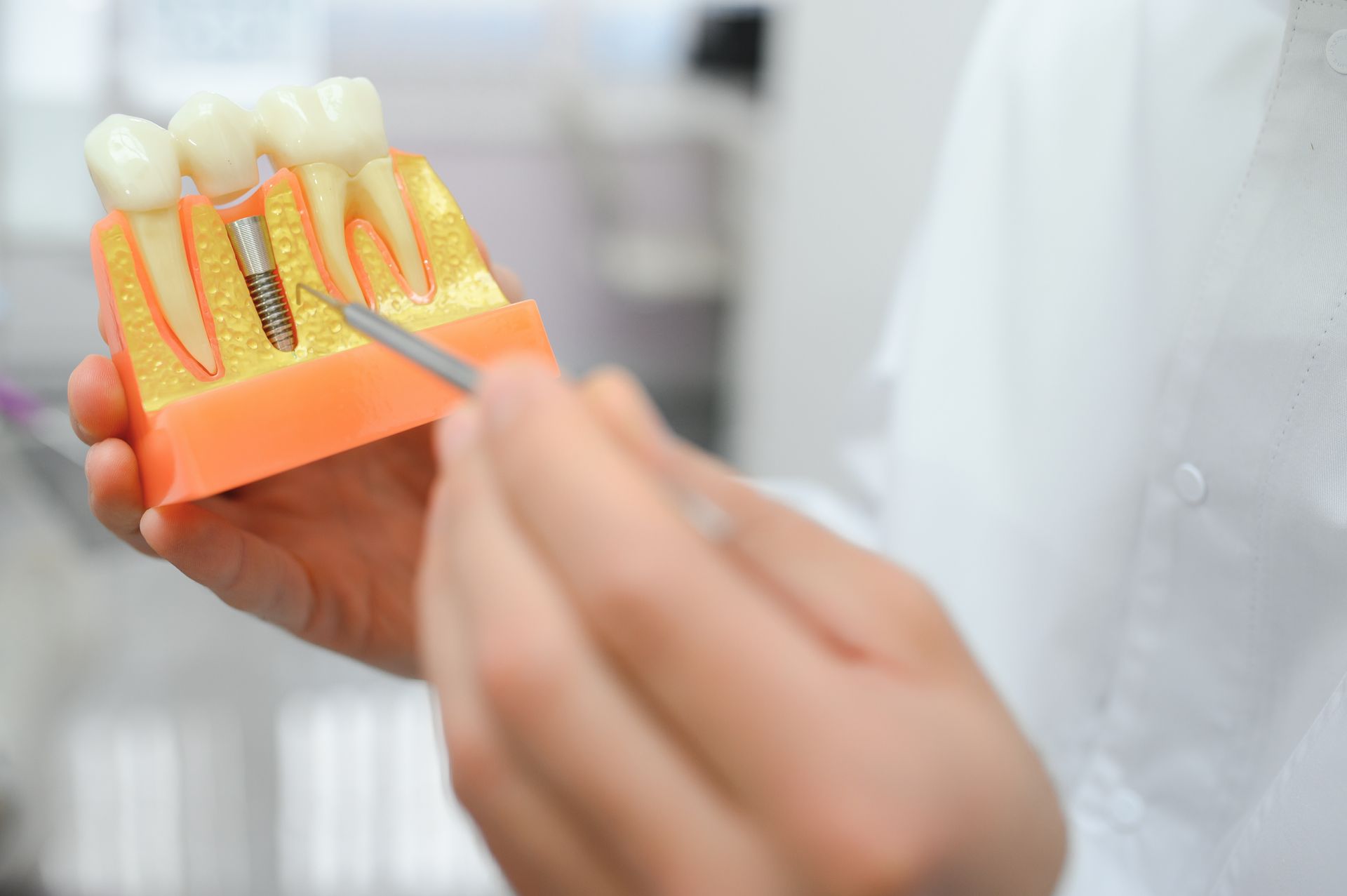
A dental implant has two main parts: the titanium post that fuses with your jawbone, and the
implant-supported crown that sits on top and looks like a tooth.
| Implant Post | Crown | |
|---|---|---|
| Material | Titanium | Porcelain or ceramic |
| Average Lifespan | Lifetime (25+ years) | 10 to 15+ years |
| Can it decay? | No | No, but it can chip or wear |
| Needs replacement? | Rarely | Possibly, over time |
| What affects longevity? | Bone density, gum health, placement | Daily wear, grinding, bite force |
The post is built to last. Titanium integrates with bone through a process called osseointegration, which makes it extremely stable. Once it's fused and healed properly, it can stay in place indefinitely.
The crown is a different story. Crowns are exposed to chewing forces, grinding, and daily wear. Most crowns last 10 to 15 years before they need to be replaced, though some last longer with good care.
Why the Crown May Need Replacement Sooner
The crown sits above the gumline and takes the brunt of everyday use. Grinding your teeth at night, chewing hard foods, or minor accidents can chip or wear down the crown over time. Replacing it is a straightforward procedure that doesn't affect the implant post underneath.
Key Factors That Affect How Long Dental Implants Last
Several things determine whether an implant lasts 15 years or a lifetime. The most important ones are:
- Oral hygiene. Implants can't decay, but the gum tissue and bone around them can still be damaged by bacteria. Poor hygiene can lead to peri-implantitis, an infection that causes bone loss and can lead to implant failure.
- Bone density and gum health. Implants need solid bone and healthy gums to stay anchored. Patients with a history of
gum disease or low bone density need to be especially diligent.
- Lifestyle habits. Smoking is one of the biggest risk factors for implant failure. It reduces blood flow to the gums and slows healing, which can prevent the implant from properly fusing with the bone.
- Diet. Regularly chewing hard foods like ice or hard candy puts unnecessary stress on the crown and surrounding tissue.
- Provider skill. A well-placed implant is far more likely to last. Proper positioning, depth, and crown selection all matter from the very first appointment.
How to Make Your Dental Implants Last Longer
Daily Care Routine for Implant Longevity
Brushing twice a day, flossing daily around the implant, and using an antibacterial rinse goes a long way toward protecting your investment. Use a soft-bristle toothbrush and non-abrasive toothpaste to avoid scratching the crown surface. An interdental brush or water flosser can help reach areas that regular floss misses.
Importance of Regular Dental Visits
Professional Cleanings and Checkups
Seeing your dentist regularly is one of the best things you can do for implant longevity. Professional cleanings and exams remove buildup that brushing can miss and allow your dentist to spot early signs of peri-implantitis or crown wear before they become bigger problems.
Most patients with implants should plan on cleanings every six months, though your dentist may recommend more frequent visits depending on your situation.
Habits to Avoid That Shorten Implant Lifespan
- Smoking or using tobacco products
- Chewing on ice, hard candy, or non-food items
- Skipping dental visits
- Ignoring symptoms like pain, swelling, or looseness around the implant
- Grinding your teeth without a night guard
Signs Your Dental Implant May Need Attention
Early Warning Signs of Complications
Most implant problems give warning signs before they become serious. Pay attention to:
- Swelling, redness, or tenderness around the implant
- Bleeding when you brush or floss near the implant
- A feeling that the implant is loose or shifting
- Difficulty chewing that wasn't there before
- Persistent bad taste or odor near the implant site
Common Causes of Implant Failure
Implant failure is not common, but it does happen. The most frequent causes are:
- Peri-implantitis: a bacterial infection in the gum and bone tissue surrounding the implant
- Insufficient bone support: not enough bone to keep the post anchored securely
- Poor healing: often linked to health conditions like uncontrolled diabetes or smoking
- Mechanical issues: crown fracture, implant fracture, or a loose abutment connection
Catching problems early makes a big difference. Many complications can be treated successfully if addressed before significant bone loss occurs.
When to Contact Your Dentist
If you notice any of the warning signs above, especially pain, swelling, or movement around the implant, don't wait for your next scheduled appointment. Reach out to our dental emergency team right away if something feels off.
Are Dental Implants a Permanent Solution?
What "Permanent" Means in Dentistry
Dental professionals use the word "permanent" carefully. When it comes to implants, it means the titanium post is intended to remain in place for the rest of your life. It's not like a bridge or denture that you remove or replace on a schedule.
The implant post itself is permanent in that sense. The crown on top is long-lasting but may eventually need to be replaced, similar to how a car's engine can outlast the tires.
Comparing Implants to Other Tooth Replacement Options
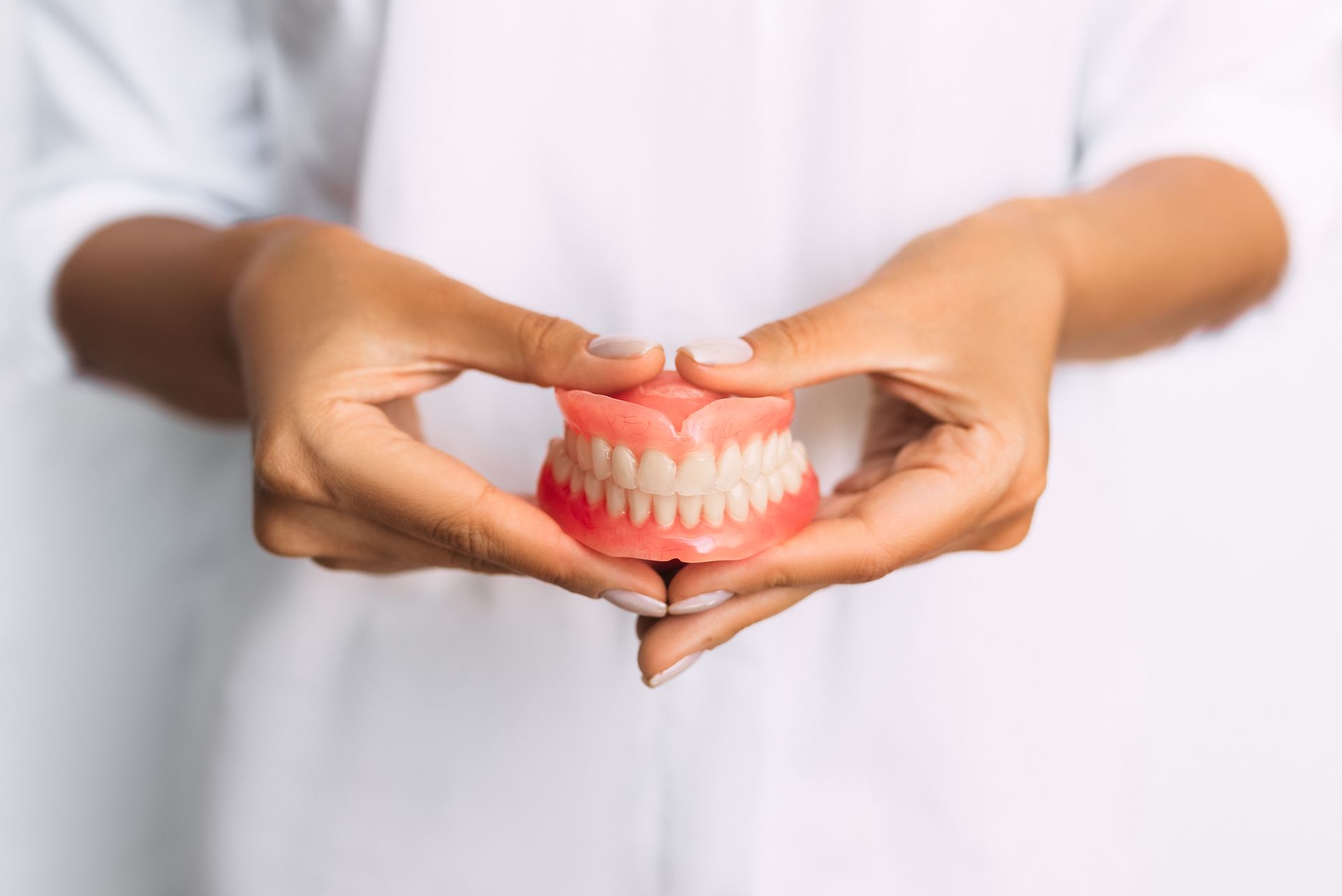
If you're weighing your options, our restorative dentistry services cover the full range of solutions, from bridges to dentures, so you can make an informed choice for your situation.
| Option | Average Lifespan | Maintenance Required |
|---|---|---|
| Dental Implant (post) | Lifetime (25+ years) | Regular brushing, flossing, dental visits |
| Implant Crown | 10 to 15+ years | May need replacement over time |
| Dental Bridge | 10 to 15 years | Requires care of adjacent teeth |
| Partial or Full Dentures | 5 to 10 years | Regular adjustments and replacements |
Implants consistently outperform other options in terms of long-term durability and function. They also preserve jawbone, which dentures and bridges do not do as effectively.
What Patients Can Expect Over Time
Short-Term vs. Long-Term Expectations
In the first few months after placement, your focus will be on healing. The implant site needs time to fuse with the bone, which typically takes three to six months. During this period, some soreness and sensitivity is normal.
Over the long term, a well-placed implant with good home care should feel and function almost exactly like a natural tooth. Most patients say they forget the implant is even there.
Maintenance, Repairs, and Potential Replacements
The implant post rarely needs to be replaced. The crown is more likely to need attention over the years. If the crown chips, cracks, or wears down significantly, it can be replaced without disturbing the post underneath.
Some patients may also need occasional adjustments to the abutment, which is the connector piece between the post and crown. These are minor procedures and don't require significant recovery time.
Final Thoughts on Dental Implant Longevity
Setting Realistic Expectations
Dental implants are one of the best long-term investments you can make in your oral health. They look natural, feel natural, and with proper care, most patients keep them for decades. But they're not maintenance-free. The patients who get the most out of their implants are the ones who stay on top of their oral hygiene and don't skip dental visits.
How Proper Care Impacts Long-Term Success
The difference between an implant that lasts 15 years and one that lasts a lifetime often comes down to consistent daily care and regular professional cleanings. Your implant can only do so much on its own. The rest is up to you.
If you have questions about whether dental implants are right for you, or you want to know what to expect at each stage of the process, our team at West Valley Dental is here to help.

Frequently Asked Questions About Dental Implant Longevity
Can a dental implant fall out years after it was placed?
Yes, though it's uncommon. An implant that has been stable for years can still fail if peri-implantitis develops and causes significant bone loss, or if a health change affects how well the bone supports the post. Regular dental visits help catch these issues early, before they reach the point of failure.
Do I need to replace the crown at some point, even if the implant post is fine?
Most likely, yes. Crowns typically last 10 to 15 years depending on how well you care for them and how much wear they're exposed to. Replacing the crown is a straightforward procedure that does not require disturbing the implant post underneath.
Does smoking really make that big of a difference for implant lifespan?
It does. Smoking reduces blood flow to the gums and slows the healing process, which interferes with the implant fusing to the bone. Smokers are more likely to experience implant failure and complications like peri-implantitis. Quitting or reducing tobacco use before and after implant placement meaningfully improves the odds of long-term success.
What happens if I grind my teeth at night? Will that damage my implant?
Grinding, also called bruxism, puts excess pressure on the crown and can wear it down faster than normal. In some cases, it can also stress the bone around the implant. A custom night guard is one of the most effective ways to protect your implant if grinding is a concern.
How do I know if something is wrong with my implant?
The most common warning signs are swelling, tenderness, or bleeding around the implant site, a feeling that the implant is loose, or a persistent bad taste near the area. Any of these symptoms are worth a prompt call to your dentist. Implant problems that are caught early are much easier to treat than those that have been ignored.