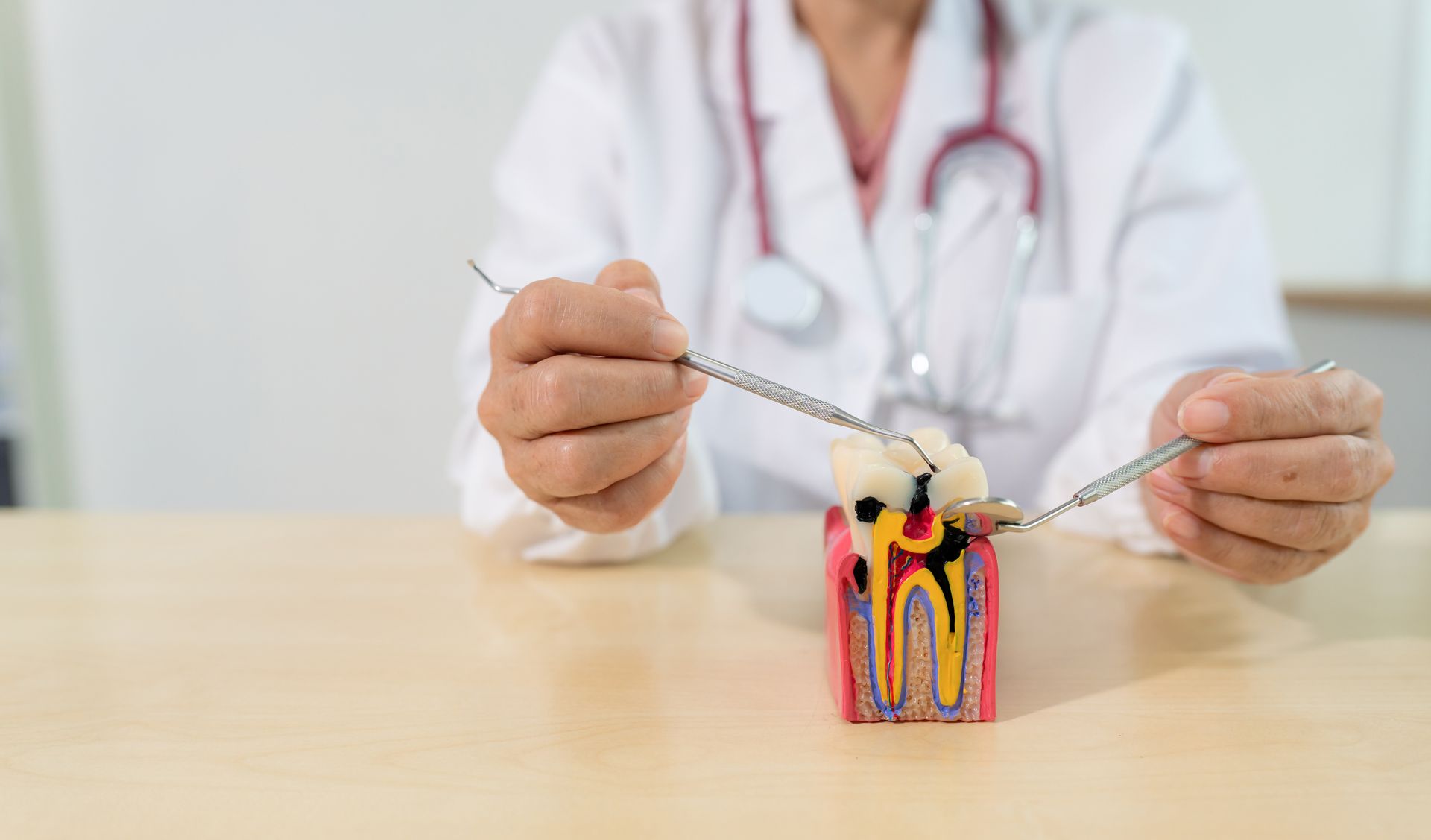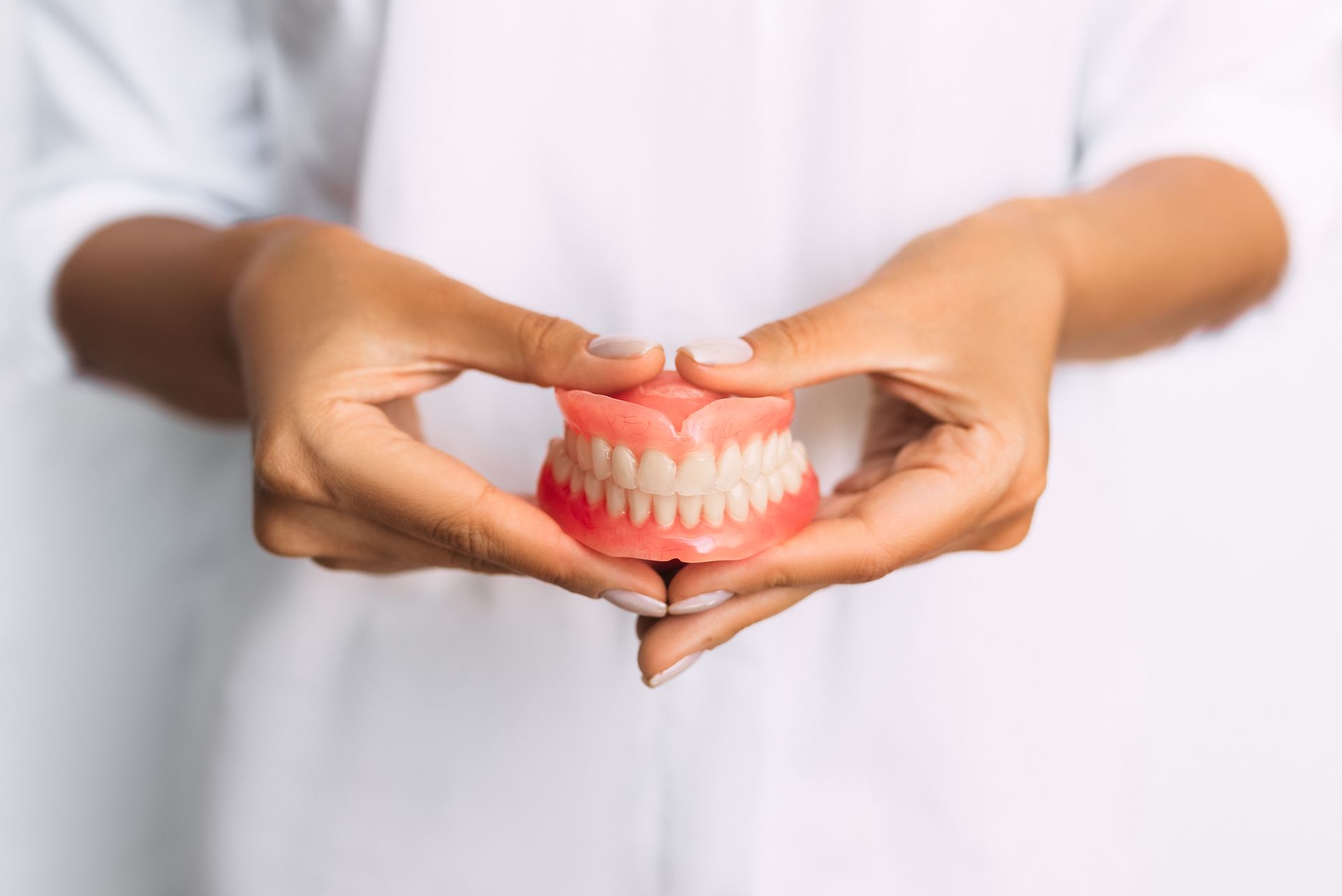
Dental Implant vs Bridge: Which Is the Better Choice?

For most patients with healthy gums and enough jawbone, a dental implant is the better long-term choice because it lasts longer, protects the bone, and does not damage nearby teeth. A dental bridge is the better choice when you need a faster fix, a lower upfront cost, or when bone loss or health issues make surgery a poor fit. Both options restore your bite and your smile, and both can look completely natural.
At West Valley Dental in Tukwila, we have spent years guiding patients in the South Seattle area through this exact decision. We place implants, design bridges, and follow our patients for years after treatment, so we know what holds up at the five and ten-year marks. The goal here is to give you the same straight answers we share with our own patients.
Understanding Your Options for Replacing Missing Teeth
The two most common fixed replacement options are a dental implant and a dental bridge. Both stay in your mouth full time, both let you eat normally, and both can be color-matched to your natural teeth. The difference is in how they are anchored, how they affect the rest of your mouth, and how long they last.
What Is a Dental Implant?
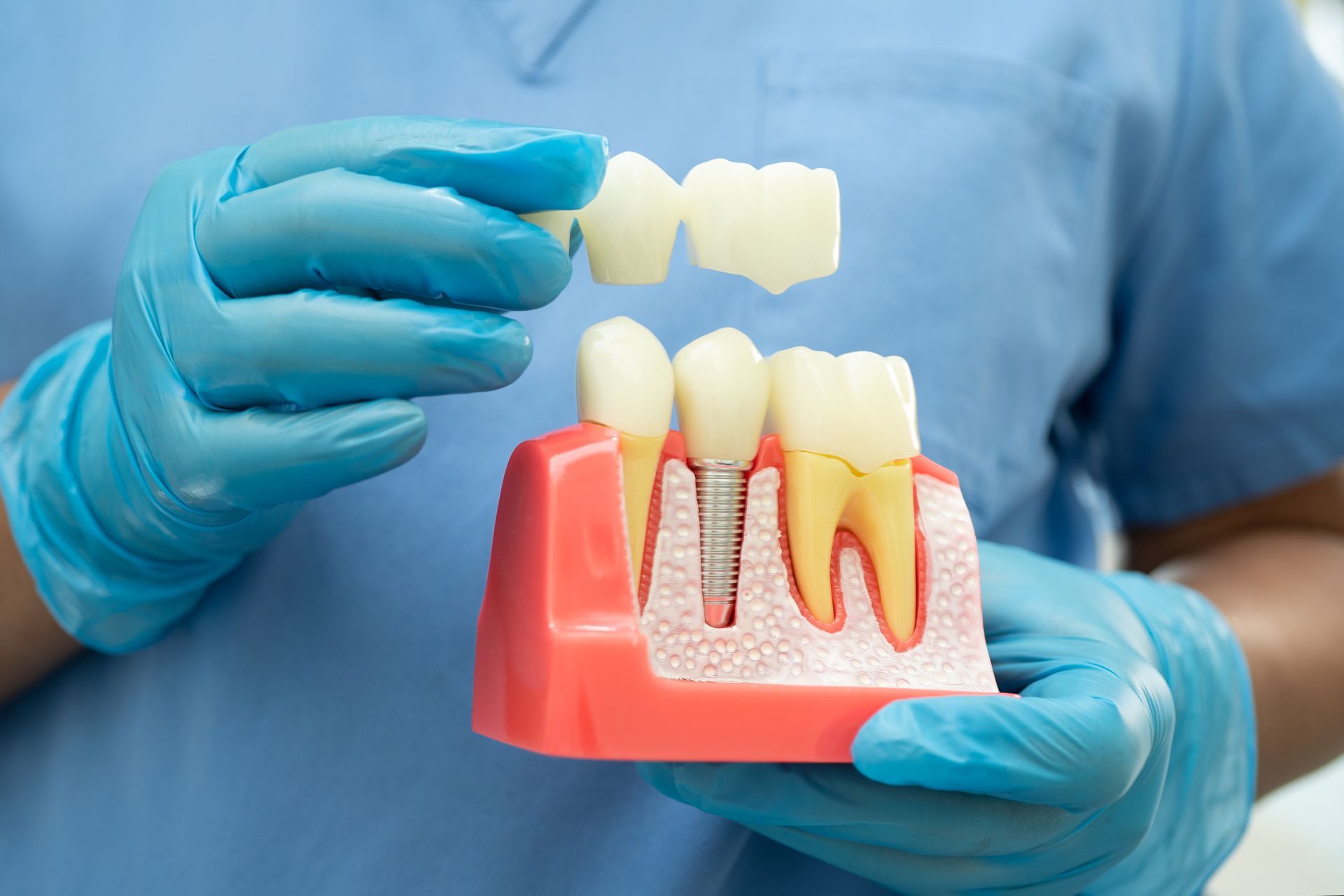
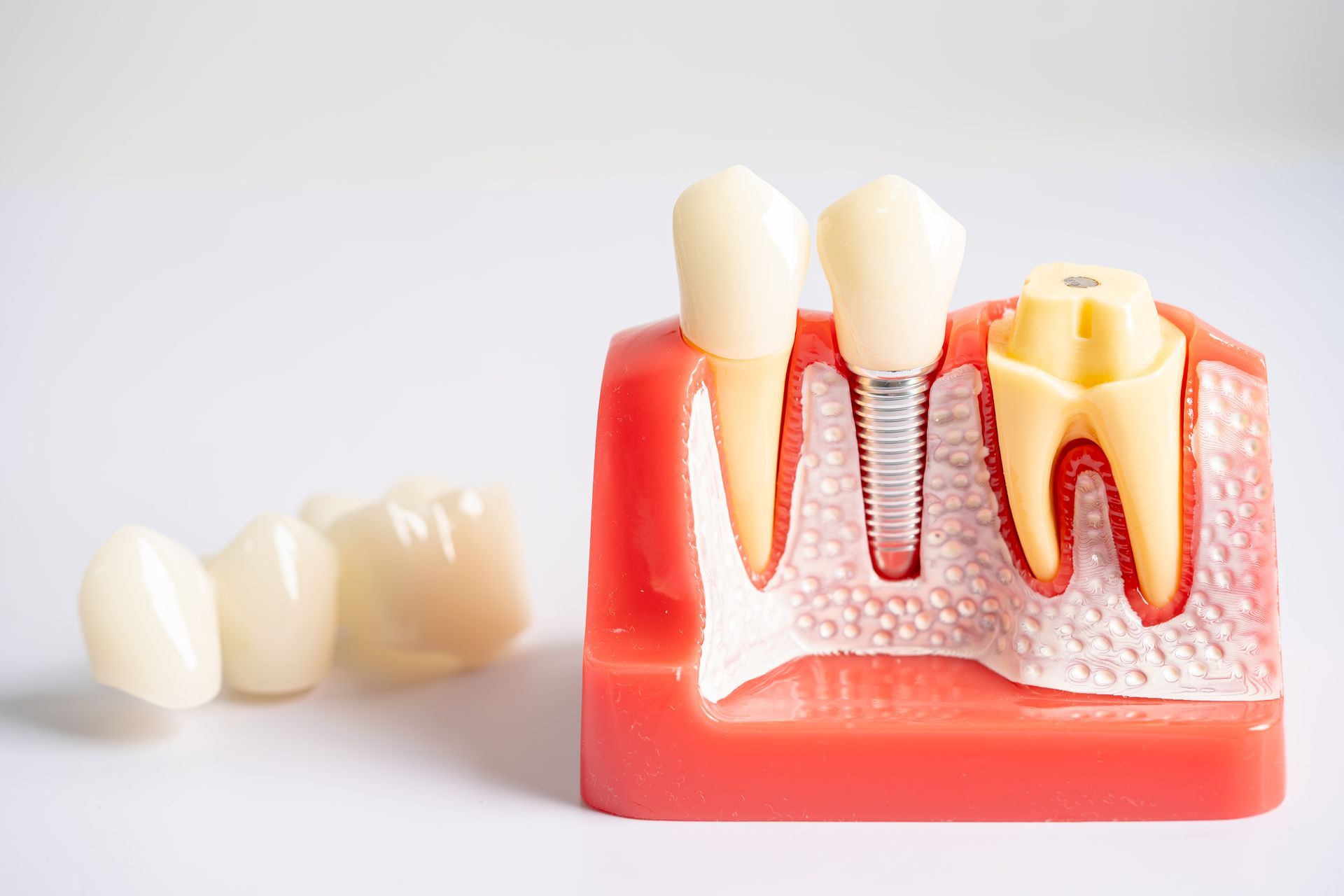
A dental implant is a three-part system:
- Titanium post: a small screw placed into the jawbone where the tooth root used to be
- Abutment: a connector that attaches to the top of the post once it has healed
- Crown: the visible custom tooth, matched to the shape and color of your other teeth
Titanium is used because it is biocompatible, meaning your bone grows around it and fuses to it. That fusion is what makes the implant feel and function like a real tooth root.
What Is a Dental Bridge?
A
dental bridge is a single connected piece that fills the gap from one or more missing teeth. A traditional bridge has a crown on each anchor tooth and a false tooth (called a pontic) in the middle, all fused together as one unit. The bridge gets its support from the natural teeth on either side of the gap, which are shaved down to make room for the anchor crowns. Implant-supported bridges use implants instead of natural teeth as anchors.
How Dental Implants Work
A dental implant replaces both the root and the crown of a missing tooth. The full process happens in stages over three to six months.
The Implant Placement Process
The surgery takes 60 to 90 minutes per implant under local anesthesia. Your dentist opens the gum, drills a precise channel into the jawbone, threads the titanium post into place, and closes the gum around it. Discomfort is similar to a tooth extraction, and most patients manage with over-the-counter pain medication and return to work the next day.
Healing and Osseointegration
Osseointegration is the process where your bone cells grow onto the surface of the titanium implant, locking it in place. This fusion is what gives the implant the strength to function like a natural tooth root. It takes three to six months for most patients, longer in the upper jaw or for slower healers. A temporary tooth can fill the gap during this time, especially for front teeth, and your dentist will check on the area at follow-up visits.
The Final Crown Restoration
Once the implant has fused with the bone, your dentist attaches the abutment and takes an impression or digital scan. A dental lab creates a custom crown matched to the shape, size, and color of your other teeth, and about two weeks later it is screwed or cemented into place. This final appointment is short and painless. From that point on, you use the implant just like any other tooth, biting into apples and chewing steak with no special restrictions.
How Dental Bridges Work
A dental bridge restores your bite in a much shorter timeline than an implant. The process usually takes two appointments spread over two to three weeks, with no surgery involved.
Traditional Dental Bridges Explained
At your first visit, your dentist numbs the two anchor teeth and shaves them down by about 1 to 2 millimeters to make room for the crowns. An impression is taken, a temporary bridge is placed, and the lab builds the permanent bridge from porcelain, porcelain fused to metal, or zirconia. Two weeks later, the permanent bridge is cemented in place and your bite is adjusted.
Implant-Supported Bridges
When several teeth in a row are missing, an implant-supported bridge is often the better choice. Two or more implants anchor the bridge instead of natural teeth, which spreads chewing force across the implants. You do not need an implant for every missing tooth, which keeps the cost lower than placing individual implants while still preserving bone.
Dental Implant vs Bridge: Key Differences
Both options replace missing teeth, but they differ in appearance, lifespan, function, and cleaning. Looking at each factor side by side makes the trade-offs easier to weigh.
| Feature | Dental Implant | Dental Bridge |
|---|---|---|
| Upfront cost (single tooth) | $3,000 to $6,000 | $2,000 to $5,000 |
| Lifespan | 25+ years (crown 15 to 20) | 10 to 15 years |
| Treatment time | 3 to 6 months | 2 to 3 weeks |
| Surgery required | Yes | No |
| Preserves jawbone | Yes | No |
| Affects nearby teeth | No | Yes (enamel removed) |
| Cleaning routine | Regular floss | Floss threader or water flosser |
| 10-year success rate | Around 95% | Depends on anchor tooth health |
Appearance and Natural Feel
Implants feel closest to a real tooth because the crown comes out of the gum the same way a natural tooth does, with no shadow line or gap where the restoration meets the gum. Bridges look great when well made, but the pontic sits on top of the gum since there is no root underneath. With high-quality materials like zirconia or layered porcelain, most people cannot tell the difference at a glance, but up close an implant typically has the more natural appearance, especially in the front of the mouth.
Durability and Lifespan
Dental implants are the longest-lasting tooth replacement available. The titanium post can last 25 years or more, the crown 15 to 20 years, with around a 95 percent success rate over 10 years. Dental bridges typically last 10 to 15 years, and the most common reason they fail is decay on an anchor tooth.
Comfort and Daily Function
Implants feel like your own teeth when you bite and chew, with bite force close to a natural tooth (around 200 PSI). Bridges are comfortable and let you chew normally, but bite force is slightly reduced because the false tooth has no root to brace against. Some patients notice mild sensitivity on the anchor teeth for the first few weeks after a bridge is placed.
Maintenance and Cleaning Requirements
Implants are cleaned just like natural teeth, with regular brushing and flossing. Bridges need a floss threader, water flosser, or special bridge floss to clean underneath the pontic, since regular floss will not fit. Skipping this step is the fastest way to develop decay on the anchor teeth.
Comparing the Long-Term Benefits
The real difference between implants and bridges shows up five, ten, or twenty years after treatment.
Jawbone Preservation and Bone Loss Prevention
When a natural tooth is lost, the bone that supported it begins to shrink because it no longer receives pressure from chewing. This process is called resorption, and the jaw can lose up to 25 percent of its width in the first year after a tooth is lost. A dental implant stops this process because the titanium post transfers chewing forces into the bone just like a natural root would. A bridge does not, so bone loss continues underneath the pontic, which can change the way the bridge sits over time.
Protecting Nearby Teeth
Implants stand alone, leaving the teeth on either side of the gap untouched. Traditional bridges require your dentist to shave down those two teeth, removing healthy enamel that cannot grow back. Those anchor teeth also bear extra chewing force, which can shorten their lifespan.
Long-Term Oral Health Considerations
Because implants preserve bone and leave nearby teeth alone, they tend to support better long-term oral health, with fewer dental complications in the same area over time. Bridges are still a strong option, but they ask more from the surrounding teeth and create more places where decay can start. Good home care and regular checkups make a real difference in how long either option lasts.
Cost Differences Between Implants and Bridges
Implants cost more upfront, but the math can shift over a 20 or 30 year timeline.
Upfront Costs of Dental Implants
A single implant including the post, abutment, and crown typically costs $3,000 to $6,000. Bone grafting adds $300 to $3,000, and a sinus lift adds $1,500 to $5,000. Many dental insurance plans now cover at least part of the cost, often the crown portion.
Initial Cost of a Dental Bridge
A traditional three-unit bridge typically costs $2,000 to $5,000 depending on materials. Most insurance plans cover bridges as a standard restorative treatment, often paying 50 percent after the deductible, which can bring out-of-pocket to the $1,000 to $2,500 range.
Long-Term Value and Replacement Costs
A bridge usually needs replacement every 10 to 15 years, while an implant can last 25 years or more. Over 30 years, a patient might pay for two or three bridge replacements while an implant patient pays once. Replacement bridges also cost more each time because the anchor teeth often need additional work first.
Maintenance and Future Dental Work
Bridges can lead to extra costs beyond replacement. Decay under an anchor crown requires removing the entire bridge, treating the tooth, and making a new one. Root canals on anchor teeth are also more common over time. Implants do not put surrounding teeth at risk, which often means fewer surprises and lower lifetime costs.
Recovery and Treatment Timeline
If you need a fixed replacement quickly, a bridge wins. If you can wait, an implant gives the more durable result.
Healing Time for Dental Implants
The full process takes three to six months from start to finish, mostly healing time. Osseointegration takes three to four months for the lower jaw and four to six months for the upper jaw, since upper jaw bone is generally less dense. A bone graft adds another three to six months to the timeline. Recovery from the surgery itself is quick, with most patients back to soft foods within a day, regular foods within a week, and normal activity within two days.
What to Expect After a Bridge Procedure
The first appointment takes about 90 minutes, with a temporary bridge placed the same day to protect the prepared teeth. Two weeks later, the permanent bridge is cemented in a 30 to 60 minute visit and your bite is checked and adjusted. You may have some gum tenderness around the anchor teeth and mild hot or cold sensitivity for a few days. Most patients are eating normally within 24 hours and fully adjusted within a week.
Factors That Can Affect Treatment Length
For implants, smoking, diabetes, certain medications, or a complex bite can extend healing. For bridges, the timeline grows if the anchor teeth need fillings, root canals, or new crowns first.
Who Is a Good Candidate for a Dental Implant?
Most healthy adults are good candidates for dental implants, but a few specific factors decide success.
Bone Density and Gum Health
The implant needs enough healthy bone to anchor into, measured with a 3D cone-beam scan. If there is not enough bone, a graft can rebuild it. Healthy gums matter just as much, so any active gum disease needs to be treated before surgery.
Lifestyle and Health Factors
Smoking is the biggest lifestyle factor in implant failure, with smokers having roughly double the failure rate of non-smokers. Uncontrolled diabetes also slows healing, while well-managed blood sugar is usually fine. Certain medications, especially bisphosphonates, can affect bone healing and require special planning.
When Bone Grafting May Be Needed
If you have been missing a tooth for more than six months, especially in the back, you have likely lost some bone. A graft adds new bone material from your body, a donor source, or a synthetic source. Grafts take three to six months to heal before the implant can be placed, though sometimes the two can be done in the same surgery if the existing bone is mostly intact.
When a Dental Bridge May Be the Better Choice
Implants are not the right answer for everyone. A bridge is the smarter pick in several situations.
Faster Tooth Replacement Needs
A bridge can be completed in two to three weeks, compared to three to six months for an implant. For an upcoming wedding, job interview, or important event, a bridge offers a polished, permanent-feeling solution in a fraction of the time.
Budget Considerations
The lower upfront cost makes a bridge the practical choice for patients who cannot pay for an implant right now or whose insurance covers bridges but not implants. Getting a bridge now is almost always better than leaving the gap empty for years, since bone loss and tooth shifting in the meantime can lead to bigger problems later.
Patients Who May Not Qualify for Implants
Severe bone loss, certain autoimmune conditions, ongoing radiation to the jaw, or inability to tolerate surgery all point toward a bridge. If the teeth next to the gap already have large fillings or crowns, a bridge can make good use of work those teeth were going to need anyway.
Pros and Cons of Dental Implants
Advantages of Dental Implants
- Preserve the jawbone by replacing the missing root
- Last 25 years or more with proper care
- Do not require any work on neighboring teeth
- Feel and function like natural teeth, with full chewing force
- Cleaned with regular floss, no special tools needed
- Around 95 percent success rate over 10 years, among the highest of any dental procedure
- Eliminate the risk of the entire restoration failing because of decay on an anchor tooth
Potential Drawbacks to Consider
The biggest downsides are time, cost, and the need for surgery. The full process takes three to six months minimum, costs more upfront, and involves a procedure with risks of swelling, soreness, and a small chance of infection. Insurance does not always cover implants fully, which can make the out-of-pocket cost a real barrier.
Pros and Cons of Dental Bridges
Benefits of Choosing a Dental Bridge
- Completed in just 2 to 3 weeks, no waiting on bone healing
- Lower upfront cost than an implant
- No surgery required
- Covered by most dental insurance plans as a standard restorative treatment
- Strong choice when anchor teeth already need crowns for other reasons
- Restores chewing function and smile appearance right away
Limitations of Traditional Bridges
Shaving down the anchor teeth removes healthy enamel that cannot be replaced, and those teeth take on extra chewing force for as long as the bridge is in place. If decay develops under an anchor crown, the whole bridge usually has to be replaced. Bridges also do not stop bone loss, and they typically need replacement every 10 to 15 years.
How to Decide Between a Dental Implant and a Bridge
The best option depends on your specific mouth, your health, your timeline, and your priorities.
Questions to Ask Your Dentist
- Do I have enough bone for an implant, and if not, what would a graft involve?
- How healthy are the teeth on either side of the gap, and would they need work even without a bridge?
- What is the total cost of each option over a 10 and 20 year period?
- How long will the full treatment take from start to finish?
- What option do you recommend for my case, and what is the reasoning?
- How does my insurance handle each option, and what payment plans are available?
Lifestyle, Budget, and Long-Term Goals
If you want the longest-lasting result and have the time and resources, an implant is usually the better fit. If speed, lower upfront cost, or avoiding surgery is your top concern, a bridge is a strong choice. Patients who struggle with consistent home care may also lean toward implants, since regular floss works around them without special tools. Daily habits matter either way: patients who brush, floss, and avoid smoking get more years out of either option.
Schedule a Consultation at West Valley Dental
The right choice between an implant and a bridge comes down to details that only a hands-on exam can confirm. A consultation gives you clear answers, realistic costs, and a timeline built around your specific mouth, not a general guide.
At our Tukwila office, your visit includes a full exam of the area where the tooth is missing, digital x-rays or a 3D scan when needed, and a review of the teeth on either side of the gap. From there, we walk through both options with you in plain terms and put together a personalized treatment plan, with no pressure to decide on the spot.
Whether you are leaning toward an implant, a bridge, or you are still weighing your options, the team at West Valley Dental is here to help you make the call with confidence. Contact us today to schedule your consultation and take the first step toward a complete, healthy smile.

Frequently Asked Questions
Is a dental implant better than a bridge?
For most healthy adults with enough jawbone, a dental implant is the better long-term choice because it lasts longer, protects the bone, and does not touch the teeth around it. A bridge is the better choice when you need a faster fix, a lower upfront cost, or when surgery is not a good option for your health.
Which is cheaper, a dental bridge or an implant?
A bridge is cheaper upfront. A traditional three-unit bridge typically costs $2,000 to $5,000, while a single implant runs $3,000 to $6,000. Over 20 or 30 years, implants often cost less overall because bridges usually need replacement every 10 to 15 years, while a well-placed implant can last decades.
How long do dental implants and bridges last?
A dental implant post can last 25 years or more, with the crown on top typically lasting 15 to 20 years. A traditional bridge usually lasts 10 to 15 years. Good home care, regular checkups, and avoiding smoking extend the life of either option.
Does dental insurance cover implants and bridges?
Most dental insurance plans cover bridges as a standard restorative treatment, often paying 50 percent after the deductible is met. Implant coverage has improved but is still less consistent. Many plans now pay for part of the cost, often the crown portion, but coverage for the implant post itself varies by plan. Our insurance and financing page has details on the plans we work with and the payment options available.
Can a dental bridge be converted to an implant later?
Yes. The bridge can be removed and an implant placed where the missing tooth used to be. The catch is that bone loss often happens under the pontic over the years a bridge is in place, so a bone graft may be needed first. This is one reason patients who can afford an implant upfront often choose it from the start.