What Is Restorative Dentistry? A Complete Guide

Restorative dentistry is the area of dental care focused on repairing, rebuilding, and replacing damaged or missing teeth. It covers everything from fillings and crowns to bridges, dental implants, and dentures. The main goal is to restore both the function and appearance of your teeth so you can eat, speak, and smile without pain or worry.
At West Valley Dental in Tukwila, we provide a full range of restorative dental care to patients across the South Seattle area. From small fillings to full mouth restoration, our team works with every common type of dental restoration available today. The information below is the same straight talk we share with patients when they want to understand what restorative dentistry covers and how to figure out which option fits their needs.
| Treatment | What It Fixes | Typical Lifespan | Cost Range |
|---|---|---|---|
| Dental filling | Small to medium cavities | 10 to 15 years | $100 to $400 |
| Dental crown | Damaged or weakened tooth | 10 to 15 years | $1,000 to $2,500 |
| Dental bridge | One or more missing teeth | 10 to 15 years | $2,000 to $5,000 |
| Dental implant | Missing tooth with healthy bone | 25+ years | $3,000 to $6,000 |
| Dentures | Multiple or all missing teeth | 5 to 10 years | $1,500 to $5,000+ |
| Root canal with crown | Infected tooth nerve | 10 to 15 years | $1,500 to $3,500 |


Understanding Restorative Dentistry
Restorative dentistry is one of the largest areas of dental care. Most patients will need some form of restorative work in their lifetime, whether that is a single filling or a full mouth reconstruction.
What Restorative Dentistry Means
Restorative dentistry repairs damage, rebuilds tooth structure, and replaces teeth that have been lost. It is different from preventive dentistry (which keeps problems from happening) and from cosmetic dentistry (which focuses mainly on appearance). A restorative dentist is trained to address tooth decay, cracks, breaks, missing teeth, and worn-down enamel.
The Main Goals of Restorative Dental Care
Restorative dentistry has three goals. The first is to stop active damage like decay or infection before it spreads. The second is to restore normal function so the tooth can chew and bite as it should. The third is to protect the surrounding teeth and gums from future problems.
How Restorative Dentistry Improves Oral Health
A small cavity left untreated can turn into a root canal or extraction. A missing tooth left empty can cause neighboring teeth to shift and bone to shrink. Restorative work catches these issues early, often preventing much larger and more expensive problems later.
Who May Need Restorative Dentistry?
If you have a tooth that hurts, looks different, or simply is not there anymore, restorative dentistry is the area of care that addresses it.
Common Signs of Tooth Damage or Decay
A few signs that point to a possible need for restorative work:
- Pain or sensitivity when biting down
- A visible cavity, dark spot, or hole in a tooth
- A chipped, cracked, or broken tooth
- A filling or crown that has come loose
- Sensitivity to hot, cold, or sweet foods that lingers
- A bad taste or odor coming from a specific area
Any of these is a reason to see a dentist, even if the pain comes and goes.
Missing Teeth and Bite Problems
Missing teeth are one of the most common reasons people seek restorative care. A missing tooth changes how you chew, can shift your bite over time, and can cause bone loss in the area. Restorative dentistry offers several ways to replace it, including bridges, implants, and dentures.
How Untreated Dental Issues Can Get Worse Over Time
Dental problems do not improve on their own. A small cavity grows, a small crack spreads, and a missing tooth leads to neighboring teeth tilting into the empty space. What might have been a 30 minute filling can turn into a root canal, crown, or extraction if it is ignored.
Common Types of Restorative Dentistry Procedures
These are the treatments most people will encounter at some point.
Dental Fillings for Cavities
Dental fillings are the most common restorative procedure. When a cavity is small to medium in size, your dentist removes the decayed part of the tooth and fills the space with a tooth-colored composite. The visit usually takes 30 to 60 minutes, and you can eat as soon as the numbness wears off.
Dental Crowns for Damaged Teeth
A dental crown is a custom-made cap that covers an entire damaged tooth. Crowns are used when a tooth is too damaged for a filling, has had a root canal, or is at risk of cracking. They are made from porcelain, zirconia, or porcelain fused to metal, and they restore both the strength and the appearance of the tooth.
Dental Bridges for Missing Teeth
A dental bridge fills the gap from one or more missing teeth. A traditional bridge anchors to the two teeth on either side of the gap with crowns and uses a false tooth (called a pontic) to fill the space. Bridges are a faster, less expensive option than implants, with treatment usually completed in two to three weeks.
Dental Implants for Long-Term Tooth Replacement
A dental implant is a small titanium post that replaces the root of a missing tooth, with an abutment and crown placed on top. Implants are the longest-lasting tooth replacement option and the only one that preserves the jawbone, since the post acts like a natural root. The process takes 3 to 6 months, with most of that time spent healing.
Dentures and Partial Dentures
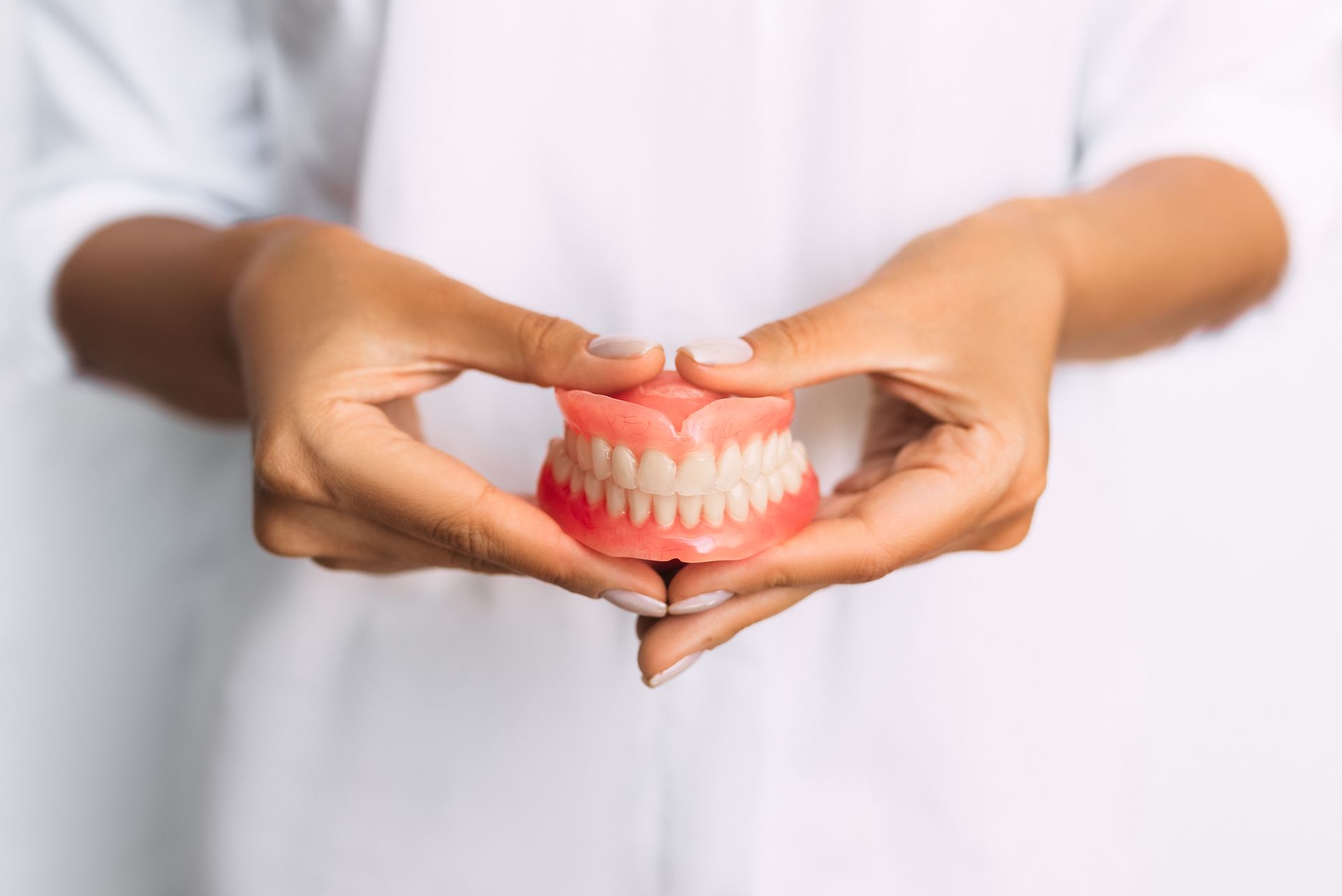
Dentures replace multiple missing teeth at once. Full dentures replace all the teeth in an arch (upper or lower), while partial dentures fill in gaps when some natural teeth remain. They are removable, which makes them easier to clean but slightly less stable than fixed options like bridges or implants.
Full vs. Partial Tooth Replacement Options
Choosing between full and partial dentures comes down to how many natural teeth you have left. Patients with most teeth intact often do better with a partial denture, bridge, or implants. Patients missing most or all of their teeth in an arch usually go with full dentures or implant-supported dentures.
Additional Restorative Dental Treatments
Beyond the most common procedures, restorative dentistry includes several more specialized options.
Inlays and Onlays
Inlays and onlays are sometimes called partial crowns. They are used when a tooth has too much damage for a filling but not enough to need a full crown. An inlay fits inside the chewing surface, while an onlay covers one or more of the tooth's points (cusps). They are usually made from porcelain or composite and last 10 to 30 years with good care.
Root Canal Therapy
A root canal treats an infection or deep decay that has reached the nerve of the tooth. The dentist removes the infected tissue, cleans the inside, and seals it, with a crown placed on top afterward to protect the tooth. Root canals have a reputation for being painful, but with modern anesthesia they feel similar to having a filling done.
Full Mouth Reconstruction
Full mouth reconstruction combines multiple restorative treatments to rebuild an entire mouth. It is used for patients with extensive decay, multiple missing teeth, worn-down teeth from grinding, or trauma. The plan is highly personalized and may take several months to complete in stages.
Implant-Supported Restorations
Implant-supported restorations use dental implants as anchors for crowns, bridges, or dentures. An implant-supported bridge uses two or more implants to hold a row of teeth in place, and implant-supported dentures clip onto two to four implants for far better stability than traditional dentures. These options combine the durability of implants with the flexibility to replace multiple teeth at once.
Restorative Dentistry vs Cosmetic Dentistry
These two areas overlap but have different priorities. Knowing the difference helps you ask for the right kind of care.
Functional vs Aesthetic Treatment Goals
Restorative dentistry focuses on function: stopping damage, restoring chewing ability, and protecting long-term oral health. Cosmetic dentistry focuses on appearance: brightening, straightening, and reshaping teeth that are already healthy. A filling is restorative. Teeth whitening is cosmetic.
Treatments That Improve Both Health and Appearance
Many treatments do both. A tooth-colored crown restores function and looks natural at the same time. A dental implant replaces a missing tooth and brings back a complete smile. Veneers can cover a chipped tooth (restorative) while also brightening the smile overall (cosmetic).
When Patients May Need Both Types of Care
It is common to need both. A patient with a broken front tooth may need a crown (restorative) and then whitening of the surrounding teeth (cosmetic) to make sure the smile looks even. A good dentist plans treatment so the restorative work also produces the appearance you want.
The Benefits of Restorative Dentistry
The right restorative treatment does more than fix the immediate problem. The downstream benefits are often what patients appreciate most.
Restoring Chewing and Speaking Ability
Damaged or missing teeth make eating and speaking harder. Restorative work brings back normal function so you can eat the foods you love and speak clearly. Patients with new implants or dentures often say their first meal feels life-changing.
Preventing Further Tooth Damage
A small problem treated early prevents bigger problems later. Fillings stop cavities from spreading to the nerve. Crowns protect cracked teeth from breaking. Implants prevent the bone loss that follows a missing tooth. Restorative care is preventive in the long run.
Improving Comfort, Confidence, and Smile Appearance
Tooth pain affects sleep, mood, and daily life. Removing the source has an outsized effect on quality of life. Patients also report more confidence in social and professional settings once a damaged or missing tooth has been restored.
Supporting Long-Term Oral Health
Healthy restored teeth are easier to clean than damaged ones. They support neighboring teeth, hold them in place, and reduce strain on the rest of your bite. The result is better oral health for years to come.
What Causes Teeth to Need Restoration?
Most adults will need restorative dental work at some point. The most common reasons are predictable.
Tooth Decay and Cavities
Tooth decay is the most common cause. Bacteria in plaque produce acid that wears through enamel and creates cavities. Once decay starts, it does not heal on its own. A small cavity that needs a filling can turn into a large cavity needing a crown or root canal within months.
Cracked, Broken, or Worn Teeth
Cracks and breaks happen from biting hard foods, sports injuries, or grinding teeth at night. Worn-down teeth are common in patients who clench or grind, and the wear affects both appearance and function. Most cracks and breaks can be restored with a crown, bonding, or an inlay or onlay.
Gum Disease and Tooth Loss
Advanced gum disease is the leading cause of tooth loss in adults. As the disease progresses, the bone supporting your teeth shrinks, and teeth can become loose or fall out. Once teeth are lost, restorative options like bridges, implants, and dentures bring back function and appearance.
Dental Trauma and Injuries
A blow to the mouth from a fall, accident, or contact sports can knock out, crack, or chip teeth. Quick action matters. A knocked-out tooth has the best chance of being saved if you see a dentist within 30 to 60 minutes. Less urgent trauma can usually be addressed within a day or two with bonding, crowns, or implants depending on the damage.
How Long Do Dental Restorations Last?
The lifespan of restorative work depends on the type of treatment, your daily habits, and how well the work was done in the first place.
Factors That Affect Longevity
Several factors decide how long a restoration will last:
- The location in the mouth (back teeth bear more force)
- The size of the restoration
- The materials used
- Your oral hygiene habits at home
- Whether you grind your teeth at night
- How often you get cleanings and checkups
A small filling in a front tooth often lasts much longer than a large filling in a molar.
Daily Habits That Protect Dental Work
A few habits add years to any restoration:
- Brush twice a day with a soft-bristled toothbrush
- Floss daily, including under bridges
- Avoid chewing ice, hard candy, or pens
- Use a night guard if you grind your teeth
- Don't smoke
- See your dentist every six months
When Repairs or Replacements May Be Needed
Even the best restoration eventually wears out. Fillings can chip or develop new decay around the edges, crowns can come loose, and bridges and dentures can break. Most issues are easy to spot at routine checkups, and minor repairs are usually faster and cheaper than full replacement.
Routine Cleanings and Preventive Maintenance
Twice-yearly cleanings remove plaque from places you cannot reach at home and let your dentist catch small issues with your restorations before they grow. Skipping cleanings is one of the fastest ways to shorten the life of any dental work.
Choosing the Right Restorative Treatment
When more than one option exists, the right choice comes down to your specific situation, your budget, and your goals.
Budget and Insurance Considerations
Most dental insurance plans cover a portion of restorative treatments, usually 50 to 80 percent of the cost after the deductible. Fillings, crowns, and bridges are commonly covered. Implants are increasingly covered too, though often at a lower percentage. Ask for a full breakdown before treatment so you know what your share will be.
Long-Term Durability and Maintenance
Cheaper options often need replacement sooner. A bridge might cost less upfront than an implant but need replacement after 10 to 15 years, while an implant can last decades. Adding up the cost over 20 or 30 years often changes which option makes the most financial sense.
Schedule Your Restorative Consultation at West Valley Dental
If you have a tooth that needs attention, a missing tooth you want to replace, or older dental work that may need an update, the next step is simple. A consultation gives you a clear picture of what is going on and what your options are.
At our Tukwila office, your visit includes a full exam, digital x-rays when needed, and a straightforward conversation about treatment options, timelines, and costs. You will leave with a written plan and answers to your questions, with no pressure to schedule on the spot.
Whether you need a single filling or are considering a full mouth restoration, the team at West Valley Dental is here to help. Contact us today to schedule your consultation and start planning the right care for your smile.

Frequently Asked Questions
Is restorative dentistry the same as cosmetic dentistry?
No. Restorative dentistry focuses on fixing damage, restoring function, and replacing missing teeth. Cosmetic dentistry focuses on the appearance of your smile. Many treatments overlap, since modern restorations are designed to look natural, but the goals are different.
Does dental insurance cover restorative treatments?
Most dental insurance plans cover restorative work, though coverage varies by procedure. Fillings, crowns, root canals, and bridges are usually covered at 50 to 80 percent after the deductible. Implants and full mouth reconstruction may have lower coverage limits. Always get a pre-treatment estimate so you can plan your costs.
Is restorative dentistry painful?
Modern restorative dentistry is not painful for most patients. Local anesthesia numbs the area during treatment, and sedation options are available if you have anxiety or are having extensive work done. Mild soreness for a day or two after treatment is normal. Sharp pain after the numbness wears off is not, and should be reported to your dentist.
Can I get multiple restorative treatments in one visit?
Often, yes. Many dentists combine procedures to save you trips to the office, especially for fillings and crowns. Larger treatments like implants and full mouth reconstruction are typically spaced out over several visits to allow for healing between stages.
What is the most common restorative dental procedure?
Dental fillings are by far the most common. Most adults will need at least one filling in their lifetime, and many will need several. Crowns are the second most common, often placed on teeth that have had large fillings, root canals, or significant wear.