Does Teeth Whitening Damage Enamel? What Dentists Want You to Know

Dr. Kuzi Hsue earned his dental degree from the University of Washington School of Dentistry in 1991 and has spent almost 30 years caring for patients, now at West Valley Dental in Tukwila. Our team offers professional whitening with custom trays and helps patients sort out what is safe and what is not before they whiten. We also see the other side: sensitive teeth, irritated gums, and worn spots from products used too often or too aggressively. This guide explains what whitening actually does to enamel and how to whiten without hurting your teeth.
Quick Answer: Peroxide whitening used as directed does not cause permanent enamel damage. Peroxide passes through enamel to break down stains inside the tooth, and research shows any surface changes from properly used whitening are minor and tend to recover as saliva remineralizes the enamel. The real risks come from overuse, very high-strength products used without supervision, acidic or abrasive "whitening" products, and whitening over untreated cavities or exposed roots. Temporary sensitivity is the most common side effect. The American Dental Association notes it can affect up to two-thirds of users during early treatment, and it usually fades once whitening stops.
In This Guide
- How Whitening Works on Your Teeth: Enamel, dentin, and stains.
- What the Research Shows About Enamel: Surface changes vs. damage.
- Whitening Methods and Their Risks: A side-by-side look.
- When Whitening Can Cause Harm: The real risks.
- Sensitivity Is Not Enamel Damage: What it means.
- Who Should Talk to a Dentist First: Higher-risk situations.
- Whitening Myths vs. Facts: Clearing up confusion.
- How to Whiten Safely: Practical rules.
- Protecting Enamel After Whitening: Keeping teeth strong.
- Professional Whitening in Tukwila: Get started safely.
- Frequently Asked Questions: Quick answers.
How Whitening Works on Your Teeth
Enamel and Dentin
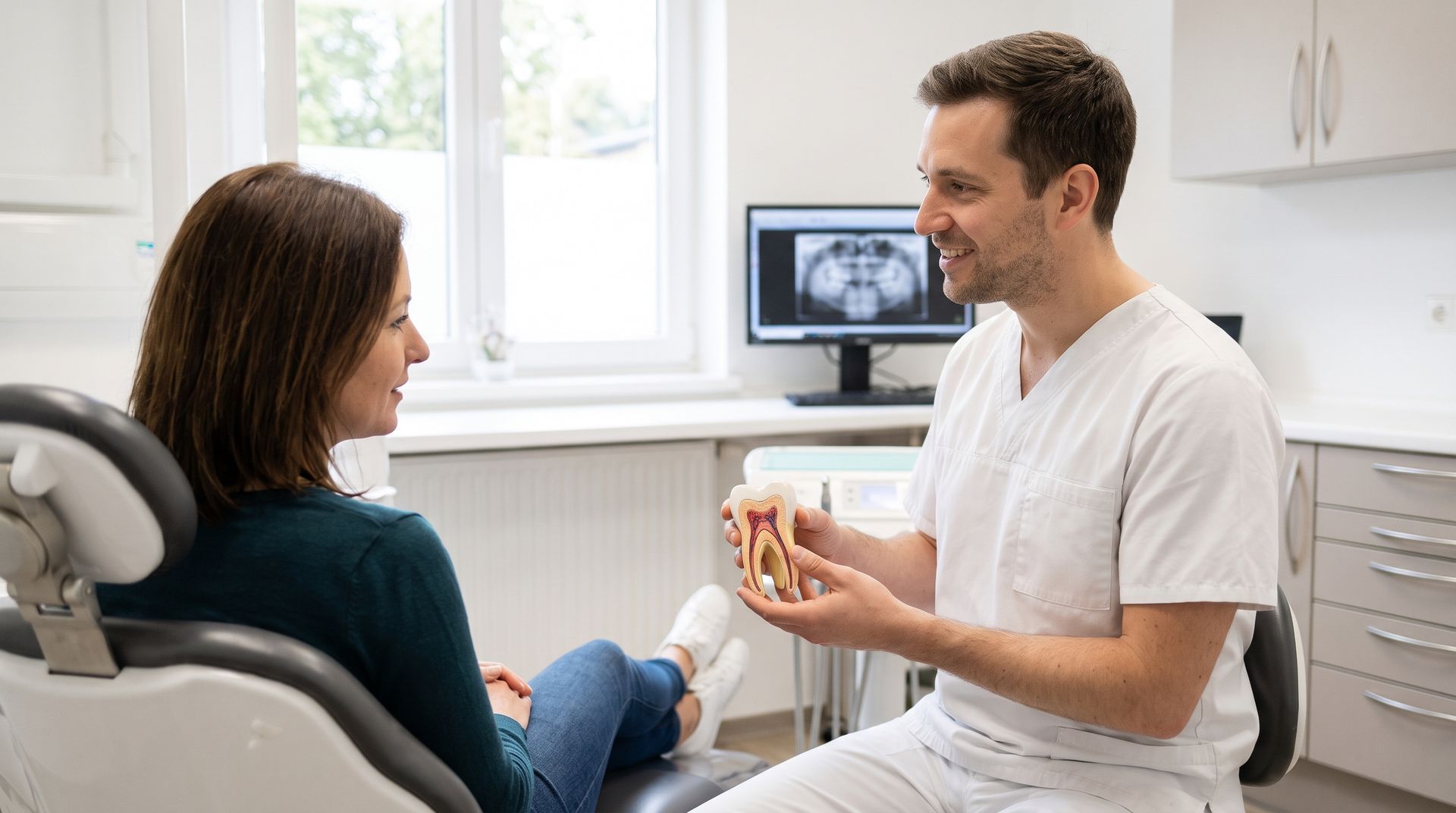
Enamel is the hard, translucent outer layer of a tooth. Underneath it is dentin, which is naturally more yellow. Much of a tooth's color comes from the dentin showing through the enamel, along with stains that build up over time.
What Peroxide Actually Does
Whitening gels use hydrogen peroxide or carbamide peroxide. Carbamide peroxide breaks down into hydrogen peroxide, releasing about one-third of its strength as hydrogen peroxide, according to the ADA. The peroxide moves through tiny pores in the enamel and breaks apart the colored molecules inside the tooth, which makes them lighter. It does not strip off a layer of enamel to make teeth whiter.
Surface Stains vs. Deep Discoloration
Polishing and whitening toothpastes remove surface stains from coffee, tea, and wine. Peroxide whitening reaches stains inside the tooth. That difference matters, because products that only scrub the surface can wear enamel if they are too abrasive, while peroxide works chemically rather than mechanically.
What the Research Shows About Enamel
Minor, Temporary Surface Changes
Laboratory studies show that peroxide can cause small, temporary changes in the enamel surface, such as slight softening or roughness right after treatment. In the mouth, saliva helps restore minerals to the enamel, and those changes generally recover. Our existing guide on how long teeth whitening lasts notes that properly used whitening has not been shown to cause permanent changes to enamel hardness.
Concentration and Contact Time Matter
The amount of peroxide and how long it stays on the teeth both affect how teeth respond. Lower concentrations worn longer, as in custom trays, tend to cause less sensitivity than high concentrations applied all at once.
Regulators Are Cautious
Rules differ around the world. In the European Union, whitening products sold directly to consumers are limited to 0.1 percent hydrogen peroxide, and products up to 6 percent are only available through dentists. In the United States, many stronger products are sold over the counter, which makes reading labels and following instructions more important.
Whitening Methods and Their Risks
| Method | How It Works | Main Enamel or Sensitivity Risk |
|---|---|---|
| Professional custom trays | Dentist-supervised gel in trays fitted to your teeth | Low when used as directed; temporary sensitivity is possible |
| In-office whitening | Higher-strength gel applied with gums protected | More sensitivity for some patients; supervised by a dentist |
| Over-the-counter strips and kits | Peroxide gel on strips or one-size trays | Gum irritation and sensitivity, especially with overuse |
| Whitening toothpaste | Mild abrasives and polishing agents | Wear if a very abrasive paste is used aggressively |
| Charcoal and DIY remedies | Abrasive powders or acidic ingredients | Enamel wear and erosion with little proven whitening benefit |
| Online high-strength gels | Unregulated concentrations without supervision | Chemical burns, severe sensitivity, and overuse |
Why Custom Trays Help
Custom trays fit closely around each tooth, so the gel stays on the enamel and off the gums. That control is one reason dentist-supervised whitening is gentler than one-size-fits-all products. Our
professional at-home whitening uses this approach.
When Whitening Can Cause Harm
Overuse
Whitening more often or for longer than directed, or chasing a shade whiter than your teeth can naturally reach, increases sensitivity and gum irritation. Some people develop a cycle of whitening, sensitivity, and whitening again.
Very High-Strength Products Without Supervision
Strong gels bought online, sometimes with unclear labeling, can burn gums and cause intense sensitivity when used without a dentist's guidance.
Acidic or Abrasive Products
Lemon juice, vinegar, and baking soda pastes used repeatedly can erode or wear enamel. Charcoal powders are abrasive and have little evidence behind their whitening claims.
Whitening Over Untreated Problems
Peroxide can cause real pain when it reaches the nerve through a cavity, a crack, a leaking filling, or an exposed root. That is not enamel damage from whitening, but it is a reason to have a checkup first. Our guide to
cracked tooth symptoms explains warning signs to watch for.
Sensitivity Is Not the Same as Enamel Damage
Why Whitening Can Make Teeth Sensitive
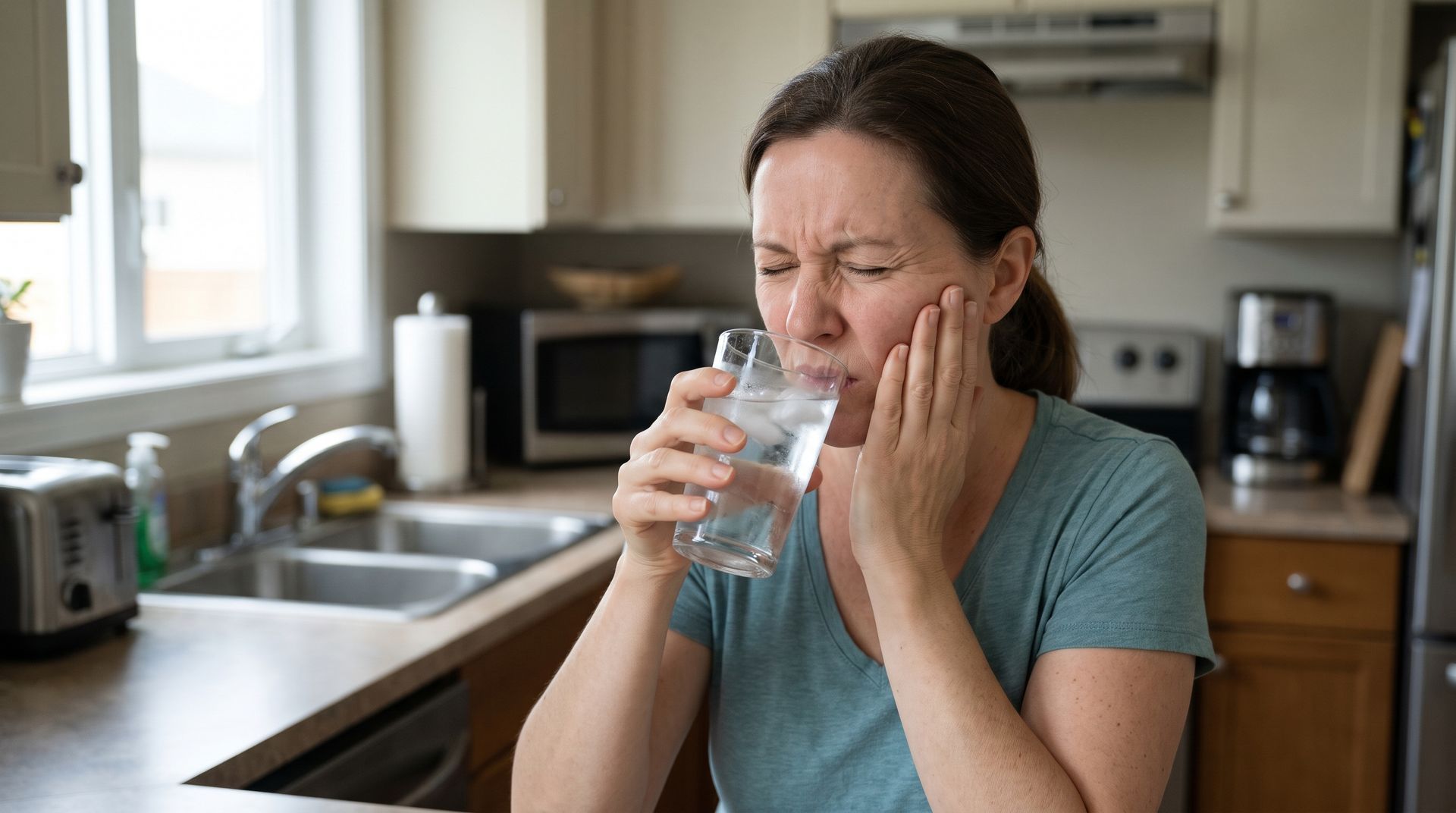
During whitening, peroxide reaches the dentin and can briefly irritate the nerve inside the tooth. That causes the short, sharp twinges many people notice, especially with cold drinks. It is a nerve response, not enamel being destroyed.
How Long It Lasts
Whitening sensitivity is typically temporary and fades within a few days of stopping treatment.
What Helps
Toothpaste for sensitive teeth with potassium nitrate, spacing out whitening sessions, shorter wear times, and fluoride can all ease sensitivity. If it is severe or does not fade, call the office.
Who Should Talk to a Dentist Before Whitening
An exam before whitening matters most if you have:
- Cavities or leaking fillings, which let peroxide reach the nerve.
- Gum recession or exposed roots, which are more sensitive and do not whiten like enamel.
- Thin or worn enamel from grinding or acid erosion.
- Cracks or chips, which can become painful during whitening.
- Active gum disease, which should be treated before cosmetic work.
- Crowns, veneers, or tooth-colored fillings in your smile, which will not change color.
- Existing sensitivity that already bothers you.
- Pregnancy or breastfeeding, when cosmetic whitening is usually postponed.
A
cleaning and exam before whitening also removes surface stains and tartar, so the whitening gel works more evenly.
Whitening Myths vs. Facts
- Myth: Whitening removes a layer of enamel. Fact: peroxide whitens chemically by breaking down stains inside the tooth, not by sanding the surface.
- Myth: Stronger gel always works better. Fact: higher strength can work faster, but it also raises sensitivity. Lower strength over more days often reaches a similar shade with less discomfort.
- Myth: Natural remedies are gentler. Fact: lemon juice, vinegar, and strawberries are acidic, and baking soda and charcoal are abrasive. Used repeatedly, they can be harder on enamel than peroxide.
- Myth: Sensitivity means permanent damage. Fact: whitening sensitivity is a temporary nerve response that usually fades within days.
- Myth: Whitening will brighten crowns and veneers. Fact: whitening only works on natural teeth, so dental work in the smile zone may need to be updated to match.
- Myth: You can whiten as often as you like. Fact: over-whitening is one of the main causes of sensitivity and gum irritation. Touch-ups should be spaced out.
Whitening and Older Teeth
As we age, enamel naturally thins and more yellow dentin shows through. Older teeth can still whiten well, but patients with worn enamel or receding gums often do best with a lower-strength gel in custom trays and a slower schedule.
How to Whiten Safely
Start With an Exam
Treat any cavities, cracks, or gum problems first.
Follow the Instructions Exactly
Use the product for the time and frequency directed. More is not better, and leaving gel on longer increases sensitivity without much added benefit.
Keep Gel Off Your Gums
Wipe away excess gel. With custom trays, a small amount in each tooth is enough.
Space Out Treatments
Allow time between whitening rounds instead of whitening continuously, and use touch-ups rather than full treatments to maintain results.
Skip the Shortcuts
Avoid acidic home remedies, charcoal powders, and unregulated high-strength gels.
Protecting Enamel After Whitening
Use Fluoride
Fluoride toothpaste helps strengthen enamel and can reduce sensitivity after whitening.
Wait Before Brushing After Acidic Foods
Brushing right after acidic foods or drinks can wear softened enamel. Rinse with water and wait about 30 minutes.
Limit Staining Foods Briefly
Teeth can pick up stains more easily right after whitening. Limiting coffee, tea, red wine, and dark sauces for a day or two helps protect your results.
Protect Against Grinding
Grinding wears enamel down over time, whitening or not. A night guard protects teeth if you clench or grind.
Keep Up With Cleanings
Regular cleanings remove new surface stains and let us check for early wear or recession. If you are thinking about other cosmetic options, our guide on
porcelain vs. composite veneers explains alternatives for teeth that do not respond well to whitening.
Professional Whitening in Tukwila
If you want a brighter smile but are worried about your enamel, we can check your teeth and gums first and recommend a whitening plan that fits your sensitivity and goals. Learn more about our smile makeover options and dental veneers for discoloration that whitening cannot fix.
Call West Valley Dental at (206) 388-2262 or
contact us online. Our office is at 15668 W Valley Hwy in Tukwila, serving Tukwila, Renton, Kent, Burien, SeaTac, and South Seattle.

Frequently Asked Questions
Does teeth whitening permanently damage enamel?
No, not when it is used as directed. Peroxide may cause minor, temporary surface changes, but research does not show permanent enamel damage from properly used whitening.
Why do my teeth hurt after whitening?
Peroxide can briefly irritate the nerve inside the tooth, causing temporary sensitivity. It usually fades within a few days after you stop whitening.
Is professional whitening safer than whitening strips?
Professional whitening is supervised, uses custom trays that keep gel off the gums, and starts with an exam to catch problems. Strips can be safe if used as directed, but overuse is more common.
Can whitening toothpaste damage enamel?
Most whitening toothpastes are safe for daily use. Very abrasive pastes, charcoal products, or aggressive brushing can wear enamel over time.
How often is it safe to whiten your teeth?
That depends on the method. Many people only need occasional touch-ups after an initial treatment. Ask your dentist for a schedule based on your teeth and sensitivity.