Family Dentist in Seattle, WA: How to Choose a Practice Your Whole Family Loves

Choosing a family dentist is a big deal because it affects everyone in your home, kids, teens, adults, and seniors. At West Valley Dental in Seattle, our clinical team works with patients across all ages and needs, from first checkups to gum care to restoring broken teeth. We see what makes families stick with a dental office for years: clear communication, careful care, and a plan that fits real life. This guide shares what to look for (and what to avoid) so you can choose with confidence.
What "Family Dentistry" Really Means (and Why It's Different)
Family dentistry isn't just "a dentist who will see kids." It means one practice can handle most routine and common dental needs for many ages, and keep your care consistent over time.
One dental home for every stage of life
A true
family practice should feel like a "home base" where:
- Kids build healthy habits early
- Teens get support during braces/aligners years and sports seasons
- Adults stay on track with prevention and repairs
- Seniors get help with gum health, crowns, bridges, implants, or dentures
When one office knows your history, you spend less time repeating your story and more time getting the right care.
Common services you should expect from a true family practice
Preventive care (cleanings, exams, x-rays)
Expect routine cleanings, dental exams, digital x-rays when needed, and coaching on brushing, flossing, and diet.
Restorative care (fillings, crowns, root canals)
A family dentist should handle common repairs like tooth-colored (composite) fillings, crowns, and sometimes root canal therapy, or coordinate smoothly with a specialist.
Pediatric-friendly care (sealants, fluoride, behavior-first approach)
Look for a kids dentist mindset: calm explanations, gentle pacing, and prevention tools like fluoride treatment and dental sealants.
Gum health and maintenance
Gum disease treatment may include deep cleaning (scaling and root planing) and maintenance visits to protect bone and teeth.
Cosmetic options (whitening, bonding) when relevant
A family office often offers teeth whitening or bonding for small fixes when it makes sense for your goals.
Emergency appointments and same-day triage
You want a plan for toothaches, broken teeth, or swelling, ideally with same-day guidance and clear next steps.


Start With Your Family's Needs Before You Compare Practices
Before you read reviews or call offices, get clear on what your household needs. This makes the decision faster.
Ages and stages in your household
Ask yourself:
- Do we need pediatric dentistry support (first visits, sealants, fluoride)?
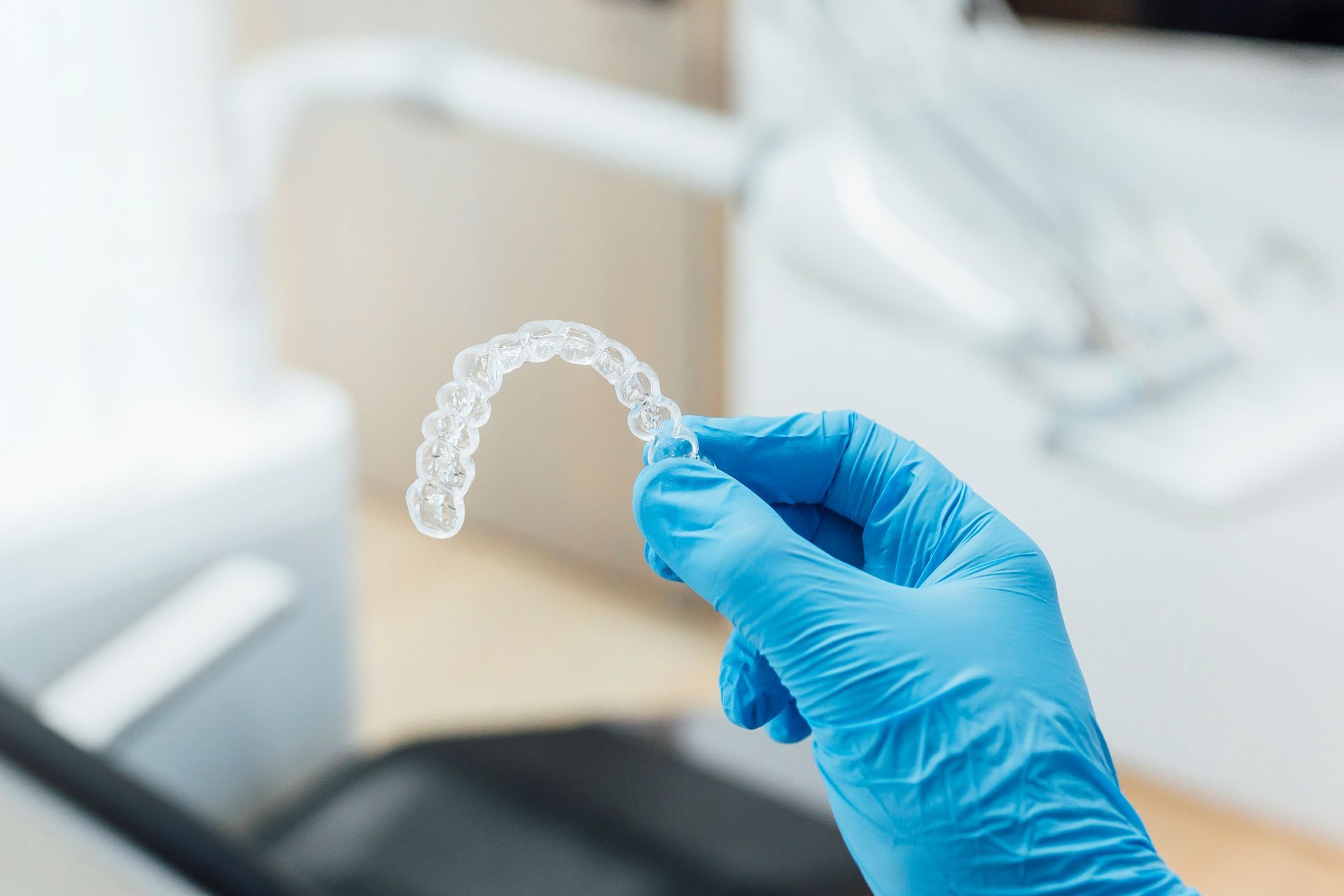
- Do we have teens who may need Invisalign or
clear alignerssoon?
- Does anyone have crowns, bridges, implants, dentures, or a history of gum issues?
Any "must-haves" that change the decision
Some needs change everything. Examples:
- Dental anxiety (kids or adults)
- Sensory needs (noise, light, touch sensitivity)
- Special healthcare needs that require extra time and planning
- Frequent cavities or dry mouth
- TMJ pain, clenching, or night grinding (night guards)
Write your "must-haves" down so you don't forget them on calls.
Your ideal appointment flow
A family dental clinic that works for real life often offers:
- Whole-family scheduling on the same day
- After-school or early morning appointments
- Shorter recall intervals for higher cavity risk or gum maintenance
The Non-Negotiables: Credentials, Safety, and Clinical Standards
This is the foundation. If these aren't solid, keep looking.
Dentist and team qualifications
You should feel comfortable asking:
- Are the dentists licensed in Washington?
- Who will do the exam and explain the plan?
- How does the team handle kids' visits and nervous patients?
A good office answers clearly and doesn't act bothered by questions.
Cleanliness, sterilization, and infection control cues
You can't see everything, but you can notice basics:
- Clean operatories and organized rooms
- Staff changing gloves and washing hands
- Instruments coming from sealed packaging
- Clear processes and professional routines
Evidence-based treatment planning (not "upsells")
A quality family dentist in Seattle, WA should:
- Explain why a treatment is recommended
- Offer options (when options exist)
- Talk about what happens if you wait
- Match treatment to your risk level (not a one-size-fits-all plan)
Clear explanations and informed consent
You should leave understanding:
- What the problem is
- What the treatment does
- Benefits and risks
- Alternatives
- Cost range and timeline
If you feel rushed or confused, that's a sign.
The "Whole Family Loves It" Factor: Comfort, Communication, and Culture
Skills matter, but so does the experience. The right office feels calm, respectful, and consistent.
How they talk to kids (and how they talk to parents)
A child-friendly dentist should:
- Use simple words kids understand
- Show tools before using them
- Praise effort and bravery
- Avoid scary language (no "needle talk" unless needed)
Parents should get clear, honest updates without pressure.
Chairside manner and tone
Look for a team that:
- Checks in often ("How are you doing?")
- Takes your pain concerns seriously
- Explains step-by-step
- Lets you pause or ask questions
Comfort options that matter
Comfort isn't fancy, it's practical:
- Gentle numbing approach and extra time if needed
- Breaks during longer visits
- Calm pacing for anxious patients
Sedation dentistry can be helpful for some people, but it should be screened carefully. Ask what types are offered and who is a good candidate.
A practice that respects your time
Time respect shows up in:
- Reasonable wait times
- Clear start/finish expectations
- Easy rescheduling when life happens
Access and Convenience in Seattle: Make It Easy to Actually Go
Even the best dentist won't help if it's too hard to get there.
Location logic (work, school, childcare routes)
Choose a location that fits your weekly patterns. A downtown Seattle dentist may be great if you're nearby weekdays, but not if you're always juggling school pickup across town.
Parking, transit, and accessibility
Ask about:
- Parking options and cost
- Public transit access
- Elevator/stairs and wheelchair access
- Stroller-friendly entry (for little ones)
Hours that match real life
Helpful options include:
- Early morning visits
- After-school slots
- Summer scheduling flexibility
Emergency availability
Ask:
- Do you offer same-day dental appointments for emergencies?
- What happens after hours?
- Is there guidance for swelling, pain, or trauma?
Services and Technology: What's Helpful vs. What's Just Flashy
Tech is useful when it improves accuracy, comfort, or long-term outcomes.
Preventive-first approach and risk-based care
A strong practice leans on prevention:
- Hygiene coaching that fits your habits
- Fluoride and sealants for higher-risk patients
- More frequent cleanings when needed
- Focus on cavity prevention and gum stability
Modern diagnostics and comfort tech (when available)
These can be truly helpful:
- Digital x-rays (often lower radiation than older systems)
- Intraoral cameras so you can see what the dentist sees
- Conservative tools that preserve tooth structure when possible
Continuity of care
If you need a specialist (endo, oral surgery, ortho), ask:
- How do referrals work?
- Will the office share records and x-rays directly?
- Do they follow up afterward?
You want smooth handoffs, not chaos.
Treatment options explained in plain English
A good dentist explains:
- Pros/cons
- Expected longevity and maintenance
- Alternatives
- What you can do at home to protect the investment
Insurance, Pricing, and Transparency: Avoid Surprises
Money stress ruins trust. Transparency builds it.
Insurance fit
Ask:
- Are you in-network for my plan?
- If out-of-network, what does billing look like?
- Will you submit claims for me?
Upfront estimates and clear financial policies
Before treatment, you should get:
- A written estimate
- What insurance is expected to cover (and what it may not)
- Your out-of-pocket range
Membership plans and payment options
Some offices offer:
- In-house membership plans (helpful if you don't have insurance)
- Payment plans or financing for bigger treatment
- Clear policies for families scheduling together
How they prioritize treatment
A thoughtful plan separates:
- Urgent now (pain, infection risk, broken tooth)
- Important soon (progressing cavities, gum disease)
- Can wait (small cosmetic changes, optional upgrades)
Phased treatment planning helps families budget without neglecting health.
How to Vet a Family Dentist Before You Book (Beyond Star Ratings)
Reviews help, but they're just one piece.
What to look for in reviews
Look for patterns, not one-off comments:
- Kindness and patience
- Transparency about costs
- How kids were treated
- Wait times and scheduling
- How emergencies were handled
Check the "first impression" signals
Notice:
- Is the website clear about services and new patient steps?
- Can you find hours, location, and contact easily?
- Do they respond quickly?
Questions to ask on the first call
Use this mini script:
- "Can we schedule multiple family members close together?"
- "How do you handle anxious kids or adults?"
- "What's your emergency policy and response time?"
- "Can you verify insurance and provide an estimate before treatment?"
- "How do dentists explain treatment options, do they show photos or x-rays?"
Consider a quick office visit or meet-and-greet
For young kids or anxious family members, a short visit can help:
- Meet the team
- See the space
- Reduce fear before the first appointment
Red Flags That Usually Mean "Keep Looking"
Trust your gut. Common red flags include:
Pressure tactics or rushed explanations
If you feel pushed into treatment without clear reasons, that's not okay.
Vague pricing, unclear policies, or inconsistent answers
Confusing financial talk often becomes surprise bills later.
Hard-to-reach office or messy scheduling
If it's already difficult before you're a patient, it may not improve.
One-size-fits-all treatment plans
Real dentistry is personalized. Risk levels and goals vary.
Dismissive attitude toward pain, anxiety, or questions
You deserve to be taken seriously, every visit.
Making the Switch Smooth (and Getting Your First Visit Right)
If you're changing offices, you can make it simple.
Transferring records and x-rays
Ask the new office if they will:
- Request records for you
- Transfer x-rays (when appropriate)
- Coordinate with your previous dentist
Timing your first appointment
Two common options:
- Cleaning/exam first (best when you're stable and due for routine care)
- Problem-focused visit (best if you have pain, swelling, or a broken tooth)
Setting expectations with your family
For kids:
- Use calm, positive language ("The dentist counts your teeth.")
- Avoid sharing your own fears
- Plan a low-stress day if possible
For anxious adults:
- Ask about pacing, breaks, and comfort options
- Share triggers upfront (sound, gag reflex, numbing concerns) status.
Choose the Practice You'll Stick With
The best family dentist in Seattle, WA is the one your family will actually keep seeing, because it feels safe, clear, and manageable.
Your "shortlist" checklist
Before you book, confirm:
- They see your whole family's age range
- You feel respected and listened to
- Cleanliness and safety feel solid
- Scheduling fits your life
- Treatment plans are explained clearly (no pressure)
- Pricing and insurance are transparent
If you're searching for a family dentist in Seattle and want a practice built around clarity, comfort, and prevention, consider booking a new-patient visit with West Valley Dental. Bring your top questions from this guide, we'll walk through them with you and help you decide if we're the right fit for your family.

Frequently Asked Questions About Choosing a Family Dentist
What age should my child first visit a family dentist?
Most family dentists recommend scheduling your child's first visit by their first birthday or within six months of their first tooth emerging. Early visits aren't just about checking teeth, they help your child become comfortable with the dental office environment, give parents guidance on proper brushing techniques and diet, and allow the dentist to monitor development. A good family practice will make these early visits short, positive, and focused on building trust rather than performing extensive treatment.
How is a family dentist different from a pediatric dentist or general dentist?
A family dentist is trained to treat patients of all ages, from toddlers through seniors, in one practice. While pediatric dentists specialize exclusively in children and general dentists may focus primarily on adults, a family dentist provides continuity of care across all life stages. This means fewer office transfers as your kids grow up, one set of records for your entire household, and the convenience of scheduling multiple family members on the same day. Family dentists handle routine preventive care, restorative work, and common issues for every age group, referring to specialists only when advanced care is needed.
Should I choose a dentist based on insurance, or are there other factors more important?
While insurance compatibility matters for budget planning, it shouldn't be your only deciding factor. The quality of care, the dentist's communication style, office cleanliness, emergency availability, and whether your family feels comfortable there are equally critical. A slightly higher out-of-pocket cost at a practice where you receive excellent care and clear treatment plans often saves money long-term by preventing bigger problems. Many quality offices offer payment plans or membership programs for uninsured patients. Start with practices that meet your clinical and comfort needs, then explore the financial fit, not the other way around.
What should I do if my family has dental anxiety?
Look for a practice that explicitly mentions experience with anxious patients and asks about comfort preferences during scheduling. During your consultation call, ask specific questions: "How do you help nervous patients feel comfortable?" and "What sedation options do you offer?" A good family dentist will take extra time explaining procedures, use gentle techniques, offer breaks during treatment, and never dismiss your concerns. Some offices provide sedation dentistry for moderate to severe anxiety, but even without sedation, the right practice will work at your pace. Consider scheduling a no-treatment meet-and-greet visit so anxious family members can tour the office and meet the team before any dental work.
How often should my family visit the dentist, and can we all go at different intervals?
Most people benefit from cleanings and exams every six months, but your family dentist should customize the schedule based on individual risk factors. Someone with a history of gum disease or frequent cavities might need visits every three to four months, while a patient with excellent oral health and low cavity risk might extend to once a year. Children often need more frequent visits during certain developmental stages. A quality family practice tracks each person's needs separately and doesn't apply a one-size-fits-all schedule. Yes, family members can absolutely have different recall intervals, your dentist should tailor the plan to each person's oral health.