Full-Mouth Reconstruction in Tukwila: Rebuild Your Smile with Implants, Crowns, and Dentures

If you're searching for full mouth reconstruction in Tukwila, you likely need more than a simple filling or cleaning. At West Valley Dental, our dental team helps patients restore damaged, worn, or missing teeth with treatment plans that improve comfort, chewing, and confidence. We work with restorative cases every week, things like broken teeth, old dental work that fails, bite problems, and tooth loss, so this guide is written from real clinical experience. Below, you'll get clear answers first, then more detail so you know what to expect.
What Is Full-Mouth Reconstruction?
Full-mouth reconstruction is a customized plan that rebuilds many (or all) teeth in the upper jaw, lower jaw, or both. The goal is to restore function (how you bite and chew) and health, and often improve appearance too.
How it's different from cosmetic dentistry:
- Cosmetic dentistry focuses mostly on appearance (like whitening or veneers).
- Full-mouth reconstruction focuses on repairing damage, replacing missing teeth, and fixing the bite, often using multiple procedures over time.
This is sometimes called dental rehabilitation or comprehensive dental treatment, because it usually combines several services into one step-by-step plan.
Who Needs Full-Mouth Reconstruction?
People consider full-mouth reconstruction when daily life is affected, pain, trouble eating, or feeling embarrassed about their teeth. Common reasons include:
- Multiple missing teeth from past extractions or injury
- Severe tooth damage from decay, fractures, or worn enamel
- Worn teeth from grinding or long-term bite issues
- Old dental work (crowns, bridges, fillings) that keeps failing
- Bite problems that cause jaw soreness, headaches, or uneven wear
- Loose dentures that make eating and speaking harder
If you've been "patching" dental problems for years, reconstruction can be the more stable, long-term solution. It's also a common next step for people who want missing teeth replacement that feels secure and predictable.
Core Treatments Involved in Full-Mouth Reconstruction
Most reconstruction plans combine services from restorative dentistry in Tukwila, especially implants, crowns, and dentures. Your exact mix depends on how many teeth are missing, which teeth can be saved, and how your bite fits together.
Dental Implants for Permanent Tooth Replacement
Dental implants in Tukwila are one of the strongest options for replacing missing teeth. An implant acts like a tooth root, supporting a crown, bridge, or denture.
Implants can be used for:
- A single missing tooth (implant + crown)
- Several missing teeth (implant-supported bridge)
- Many missing teeth (implant-supported dentures)
- Full arch restoration (replacing most or all teeth in one jaw)
Why implants are a big deal in reconstruction:
- They help protect jawbone by replacing the "root" function
- They improve stability, especially compared to loose dentures
- They can restore stronger chewing in many cases
Not everyone is an immediate implant candidate. Bone levels, gum health, medical history, and smoking habits can affect healing. The good news is many issues can be planned around with the right steps.
Dental Crowns to Strengthen Damaged Teeth
Dental crowns in Tukwila are used when a tooth is too weak for a filling but can still be saved. A crown covers and protects the tooth, restoring shape and strength.
Crowns are commonly used for:
- Cracked or broken teeth
- Large old fillings that are failing
- Teeth worn down from grinding
- Teeth after root canal treatment
- Teeth that need bite rebuilding for better balance
In full-mouth cases, crowns are often part of bite restoration. That means the dentist is not only "fixing teeth," but also rebuilding how the teeth meet so you can chew comfortably and avoid repeated damage.
Dentures and Implant-Supported Options
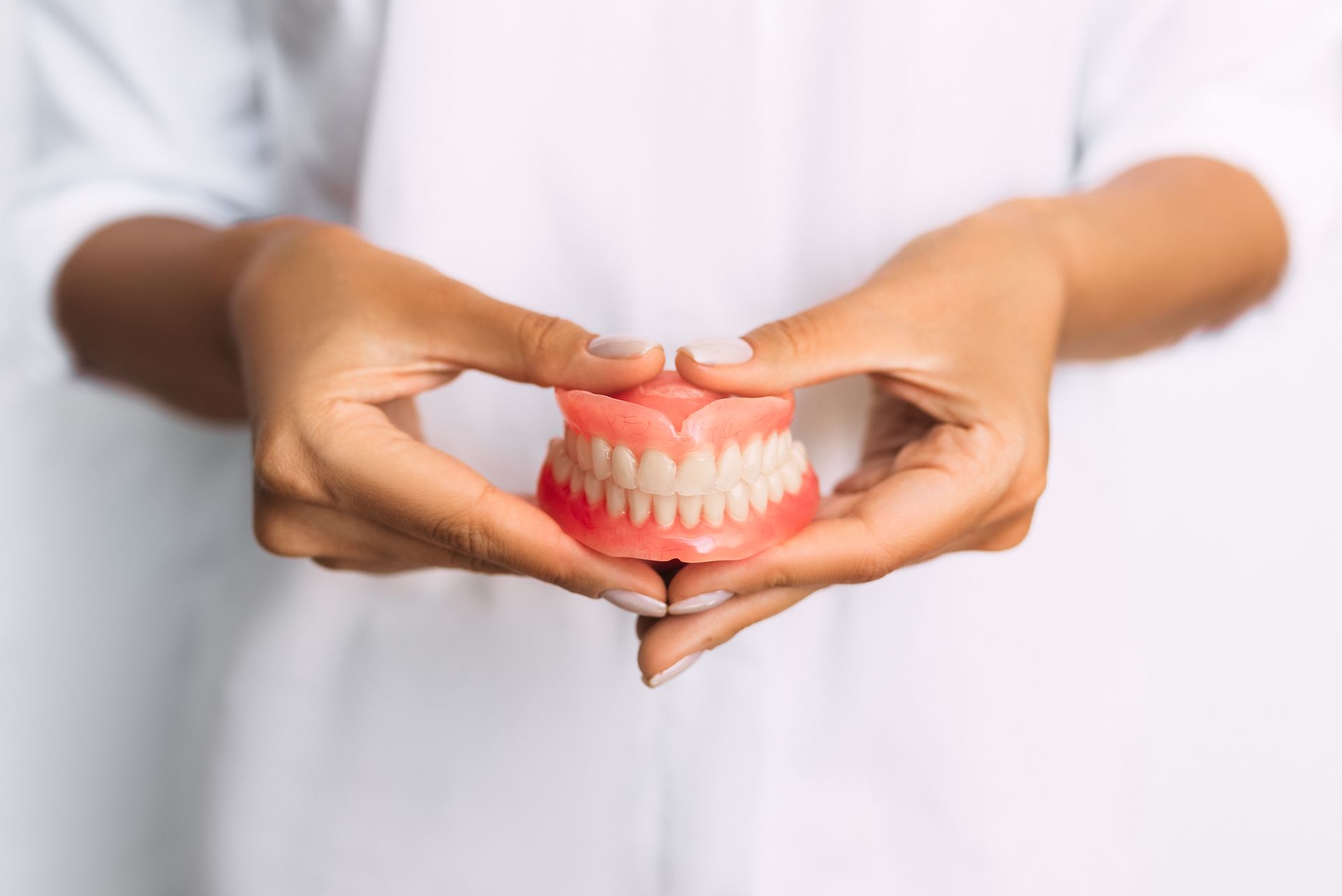
Dentures are still a helpful solution, especially when many teeth are missing. They can be:
- Full dentures (replacing all teeth in an arch)
- Partial dentures (replacing some teeth)
Modern dentures can look natural, but fit and stability matter. That's why many full-mouth plans include implant-supported dentures. With implants helping hold the denture, people often notice:
- Less slipping while eating or speaking
- More confidence in public
- Better bite force compared to traditional dentures
Dentures are not "one-and-done." They may need adjustments over time as gums and bone change. A good plan includes follow-up care.
The Full-Mouth Reconstruction Process
A full-mouth plan is usually done in phases so treatment is safe and predictable.
First comes evaluation and planning:
- Exam, x-rays, and often 3D imaging
- Gum health check and cavity assessment
- Bite analysis (how your teeth come together)
- Review of your goals and timeline
Then the dentist builds the step-by-step plan:
- Stabilize urgent problems (infection, pain, broken teeth)
- Improve gum health if needed
- Decide which teeth can be saved and which need replacement
- Plan placements for crowns, implants, or dentures
Treatment is often phased:
- Temporary restorations may be used while you heal
- Implants may need healing time before final teeth are placed
- Final crowns or dentures are adjusted for comfort and bite balance
The goal is a result that looks good, feels comfortable, and lasts.
Benefits of Rebuilding Your Smile
A well-planned reconstruction can improve more than your smile. Benefits often include:
- Easier chewing and a wider food choice
- Clearer speech (especially if teeth have shifted or dentures slip)
- Less strain on the jaw from an uneven bite
- Reduced risk of future fractures and wear
- Better support for facial structure when missing teeth are replaced
- A boost in confidence from smile restoration
For many people, the biggest win is daily comfort, being able to eat, talk, and smile without worrying.
Personalized Care in Tukwila
Full-mouth reconstruction is never "one size fits all." Two people can have the same number of missing teeth but need totally different treatment because of bone levels, bite, or medical factors.
A personalized plan should consider:
- Your bite and jaw comfort
- Long-term maintenance needs
- A realistic timeline
- A clear plan for preserving oral health
If you're comparing providers, look for a team that explains options in plain language and helps you understand trade-offs, not pressure.
Ready to Start Your Transformation?
If you think you may need full mouth reconstruction in Tukwila, the best first step is a consultation to find out what's causing the problem and what options fit your goals. Whether your plan includes Dental Implants Tukwila, Dental Crowns Tukwila, dentures, or a combination, a clear roadmap can help you move forward with confidence.
If you're ready, schedule an evaluation at West Valley Dental so we can review your needs and outline a plan that restores comfort, function, and your smile.

Frequently Asked Questions About Full-Mouth Reconstruction
How long does a full-mouth reconstruction take?
The timeline varies widely depending on your specific needs. Simple cases might take 3-6 months, while complex reconstructions involving multiple implants can take 12-18 months or longer. Dental implants need time to integrate with your jawbone (typically 3-6 months) before final restorations are placed. Your dentist will provide a detailed timeline during your consultation based on which treatments you need and whether any preparatory work like gum treatment or bone grafting is required.
Is full-mouth reconstruction painful?
Most patients report manageable discomfort rather than severe pain. Modern anesthesia and sedation options keep you comfortable during procedures. After treatment, you may experience soreness, swelling, or sensitivity that typically responds well to prescribed or over-the-counter pain medication. Because reconstruction is done in phases, you're not recovering from everything at once. Your dental team will provide detailed aftercare instructions and pain management strategies for each phase.
Can I eat normally during the reconstruction process?
Your diet may need temporary modifications, especially right after procedures like implant placement or extractions. You'll likely need to stick to soft foods during healing periods. However, many patients can eat relatively normally between treatment phases. If you're receiving temporary restorations, you'll have functional teeth to use while your permanent ones are being prepared. By the end of your reconstruction, most patients can return to eating all their favorite foods comfortably.
How much does full-mouth reconstruction cost?
Cost varies significantly based on which treatments you need, how many teeth require work, and the materials used. A reconstruction involving several crowns might cost less than one requiring multiple implants and full arch restoration. Most dental offices offer payment plans or financing options to make treatment more accessible. During your consultation, you'll receive a detailed treatment plan with cost breakdowns, and many practices can work with you to phase treatment over time to fit your budget.
Will my reconstructed teeth look natural?
Yes, when properly planned and executed. Modern dental materials and techniques create restorations that closely match natural teeth in color, shape, and translucency. Your dentist will work with you to choose shades and designs that complement your facial features and look appropriate for your age. The goal is a smile that looks refreshed and healthy, not artificial. Digital imaging and temporary restorations often allow you to preview and approve the appearance before final restorations are completed.