Can You Sleep with Partial Dentures? Dentist-Approved Tips for Comfort and Safety

Yes, you can sleep with partial dentures, but most dentists recommend taking them out at night unless your dentist tells you otherwise. At West Valley Dental in Tukwila, our dental team fits and adjusts partial dentures regularly, and we see the most common problems that happen when dentures are worn overnight (sore spots, irritation, and infections). This guide gives the direct answer first, then explains the "why," plus simple tips for sleeping with partial dentures safely and keeping your mouth healthy.
Understanding Partial Dentures
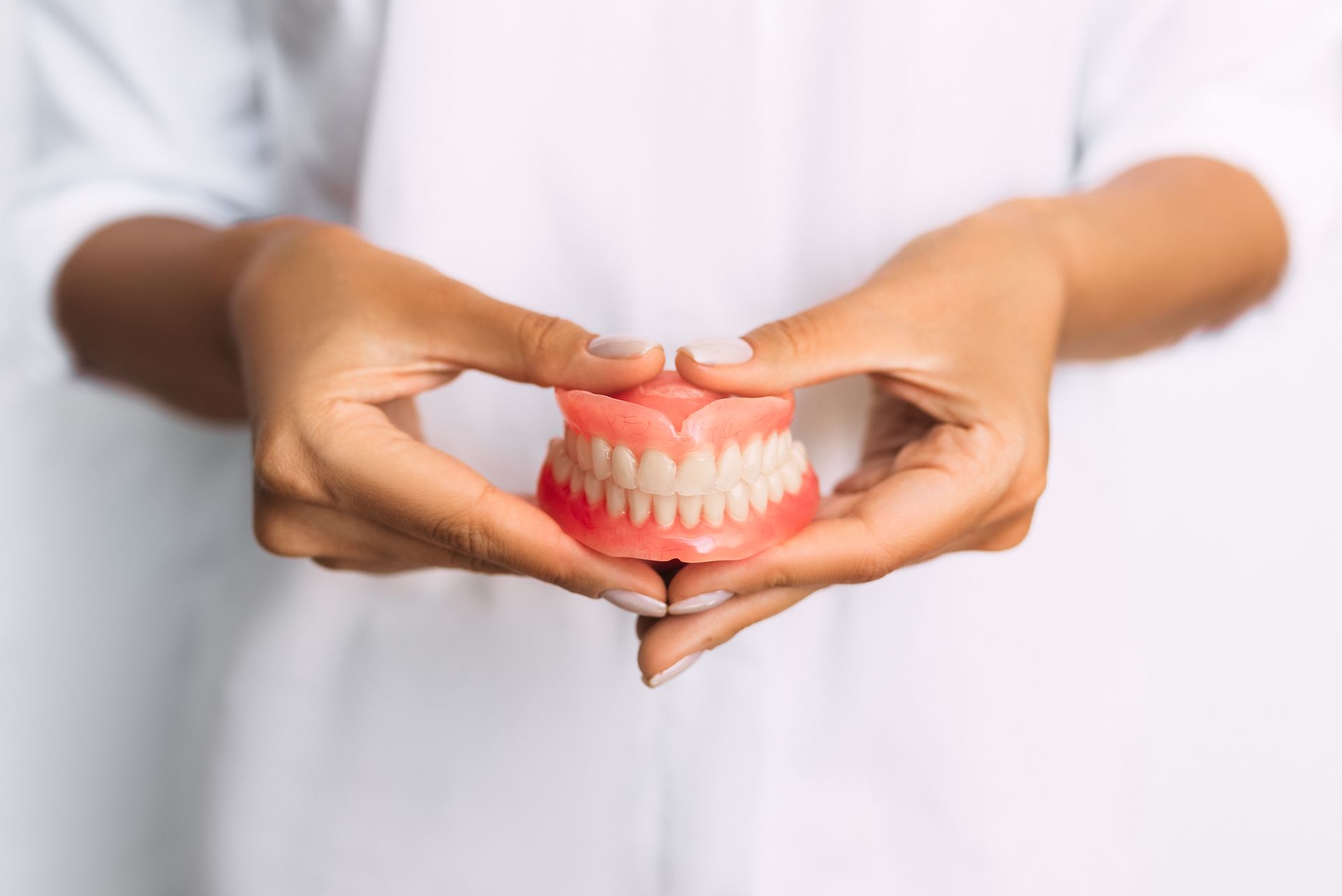
Partial dentures replace one or more missing teeth when you still have some natural teeth left. They usually have replacement teeth attached to a gum-colored base. Many partials also use metal or tooth-colored clasps that hold onto nearby teeth for support.
Partial dentures can help you:
- Chew better
- Speak more clearly
- Keep nearby teeth from shifting into empty spaces
- Improve your smile and facial support
There are different styles (acrylic, metal framework, flexible materials). Your dentist will recommend the best type based on your bite, your remaining teeth, and your comfort.

Is It Safe to Sleep with Partial Dentures?
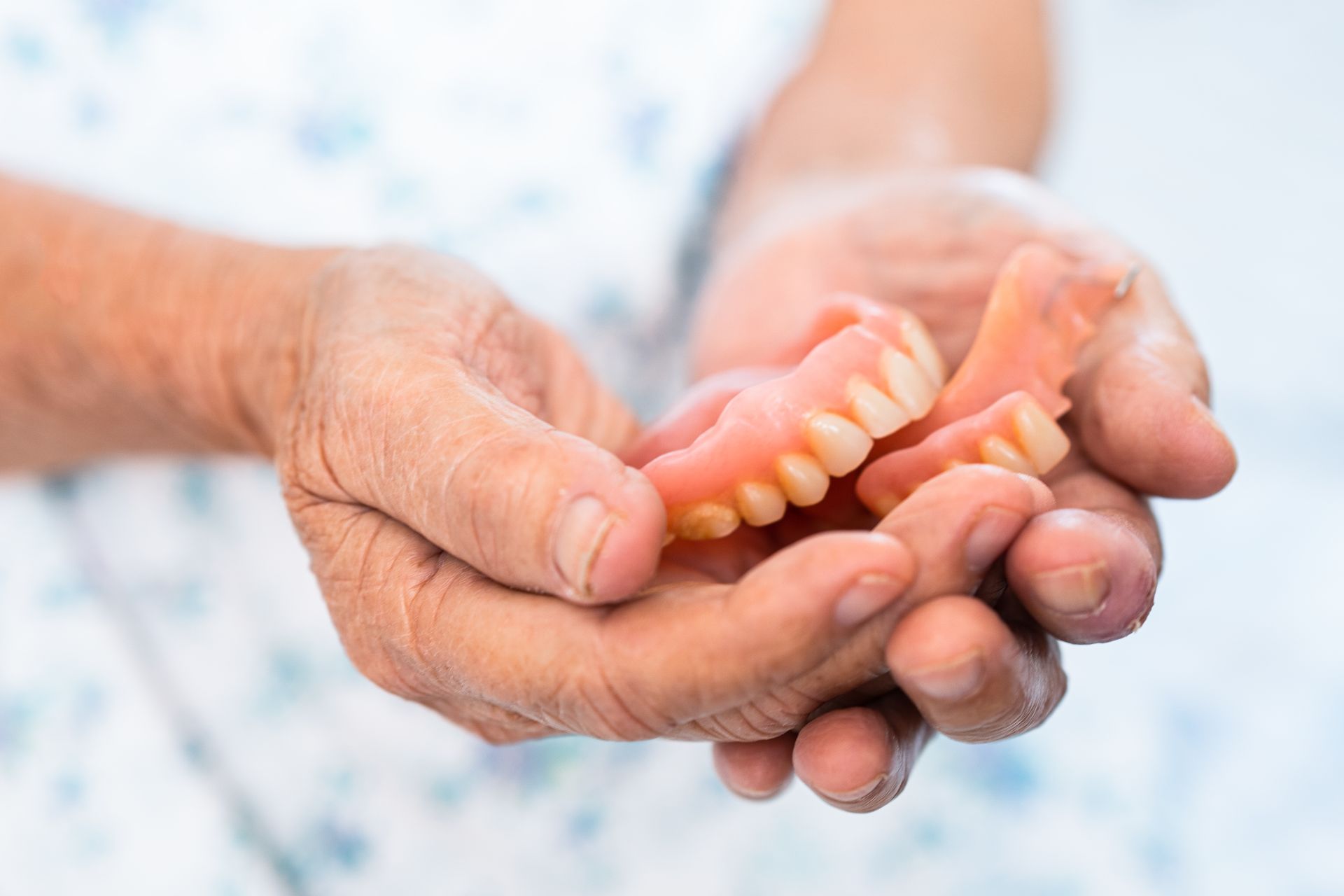
In most cases, it's not ideal to sleep with partial dentures every night. The biggest concern is not that you'll "damage them in one night," but that wearing them at night increases irritation and germ buildup over time.
Here are the main risks of wearing partial dentures at night:
Gum irritation and sore spots
Your gums and the tissues under the denture need a break. Constant pressure can lead to redness, swelling, and tender areas.
More bacteria and fungus
Dentures can trap plaque and germs against the gums. Overnight wear increases the chance of inflammation and infections, including denture stomatitis (a common irritation often linked to yeast).
Bad breath and buildup
If the denture isn't removed and cleaned, odors and biofilm can build up quickly, especially along clasps and under the base.
Higher chance of small injuries
If the denture shifts while you sleep, it can rub and create a sore. Small sores can turn into bigger problems if they keep getting irritated.
Damage to the denture or natural teeth
Clenching or grinding at night can stress the clasps and the supporting teeth. Over time, this can loosen the fit or strain natural teeth.
A simple way to think about it: sleeping with partial dentures isn't usually an emergency, but it's not the best long-term habit for gum health with dentures.
Dentist Recommendations: Why You Should Remove Dentures at Night
Most dentists recommend removing partial dentures at bedtime for three big reasons: tissue rest, better hygiene, and lower infection risk.
Your gums need recovery time
Even a well-made denture places pressure on the gums. Removing it helps blood flow return and reduces inflammation. This "rest time" is one of the best ways to prevent chronic irritation.
Cleaning works better when the denture is out
You can't clean all surfaces well when the denture stays in your mouth. Taking it out makes partial denture hygiene easier and more complete.
A healthy nightly routine usually includes:
- Cleaning the denture (not just rinsing)
- Cleaning your natural teeth and gums
- Cleaning under clasps and around any attachments
It lowers the risk of infections
When dentures are worn all night, warm and moist areas under the base become a perfect place for germs. That increases the chance of redness, swelling, or fungal irritation. Removing the denture reduces this risk and supports oral health with dentures.
Are there exceptions?
Sometimes, your dentist may tell you to wear a new denture overnight for a short time. This is usually done to spot pressure areas quickly during the adjustment period. If that's your situation, follow your dentist's instructions and return for an adjustment as planned.
What Happens If You Occasionally Sleep with Dentures In?
If you fall asleep with your partial denture once in a while, don't panic. One night usually doesn't cause serious harm. The key is what you do next.
If you accidentally slept with it in:
- Remove it in the morning
- Clean it thoroughly (not just a quick rinse)
- Brush your natural teeth and gently brush your gums and tongue
- Rinse your mouth well
- Give your gums a break for a few hours if they feel tender
Then watch for signs of irritation:
- Redness or swelling that doesn't improve
- Pain when putting the denture back in
- White patches or a "burning" feeling (possible yeast irritation)
- A denture that suddenly feels tighter, looser, or rubs in a new place
If soreness lasts more than a day or two, it's smart to schedule a check. A small adjustment can prevent bigger problems.
Tips for Nighttime Comfort with Partial Dentures
If your dentist wants you to wear your partial at night (even temporarily), comfort and safety matter. Here are practical ways to reduce irritation and improve partial dentures comfort at night.
Make sure the fit is right
A partial denture should feel secure, but it should not pinch or dig in. If you have sore spots, don't "push through" the pain. Pain usually means rubbing or pressure that needs adjustment.
Avoid "DIY fixes" that change the fit
Some over-the-counter products can help in certain situations, but don't use anything that changes how the denture sits without guidance. If the denture is rocking or rubbing, it needs professional adjustment.
Protect your supporting teeth
Partials rely on natural teeth for support. Keep the teeth that hold the clasps extra clean. Plaque around clasps can raise the risk of decay and gum problems.
Reduce dryness
A dry mouth can make dentures feel more irritating. Staying hydrated helps. If you take medications that dry your mouth, ask your dentist what options may help.
Don't ignore grinding or clenching
If you wake up with jaw soreness or headaches, you may be clenching. Nighttime pressure can stress both dentures and teeth. Let your dentist know, this can affect long-term comfort and denture life.
Know when not to wear them
If you have a mouth sore, active infection, or significant irritation, wearing a denture overnight can make it worse. In many cases, giving tissues rest is part of healing.
Best Practices for Overnight Denture Care
Good overnight denture care is simple, but it needs to be consistent. A strong nighttime denture routine keeps your denture cleaner and your gums healthier.
Clean the denture daily
- Rinse after meals when possible
- Brush it gently using a denture brush or soft brush
- Use a cleaner recommended for dentures (avoid harsh toothpaste that can scratch)
Scratches matter because they can hold bacteria and stains.
Soak it overnight (when it's out)
Many partials do well with soaking, but the best solution depends on the material and metal parts. Ask your dentist what's best for your specific denture. In general:
- Use cool or lukewarm water (not hot)
- Use the right denture soaking product if recommended
- Keep it in a safe container so it doesn't warp, crack, or get thrown away by mistake
Clean your mouth, too
A denture can be clean, but your mouth still needs care:
- Brush natural teeth carefully, especially around clasp teeth
- Gently brush your gums and tongue
- Floss daily (or use tools your dentist recommends)
This helps reduce plaque, bad breath, and irritation.
Handle it carefully
Partial dentures can bend or crack if dropped. Clean them over a folded towel or a sink with water in it, so they have a softer landing if they slip.
Watch for changes
Call your dentist if you notice:
- Cracks, sharp edges, or loose clasps
- New clicking or movement
- Sudden discomfort
- Food trapping more than usual
A small fix early can prevent a bigger break later.
Prioritize Your Oral Health with the Right Habits
If you only remember one thing, remember this: most people do best when they remove partial dentures at bedtime, clean them well, and let the gums rest.
Healthy habits that protect your mouth and your denture include:
- Not wearing dentures at night unless your dentist advises it
- Consistent denture cleaning tips and daily mouth care
- Regular checkups to keep the fit stable
- Fast adjustments when sore spots appear
- Protecting supporting teeth with excellent hygiene
A partial denture is an investment in your comfort and function. Taking care of it, and your gums, helps it last longer and feel better day to day.
Schedule a Denture Checkup with Your Tukwila Dentist
If you're unsure whether you should sleep with your partial denture, the right answer depends on your fit, your gums, and your specific denture type. If you're dealing with soreness, looseness, rubbing, or recurring irritation, a quick visit can make a big difference.
At
West Valley Dental in Tukwila, we can check the fit, adjust pressure areas, review your cleaning routine, and help you build a simple plan for sleeping with partial dentures safely while protecting your oral health.

Frequently Asked Questions About Sleeping with Partial Dentures
What should I soak my partial dentures in overnight?
Use a denture-specific cleaning solution or plain cool water, depending on your denture's material. Metal-framework partials often do well with denture-soaking tablets designed for metal components, while flexible partials may need specialized cleaners. Never use hot water as it can warp the denture base. Avoid using regular toothpaste or harsh chemicals that can damage the material or finish. Your dentist can recommend the best product for your specific type of partial denture.
How long should I give my gums a rest from dentures?
Ideally, remove your partial dentures for at least 6-8 hours every 24 hours, typically overnight. This rest period allows your gum tissues to recover from compression, improves blood circulation, and reduces bacterial buildup. If you're experiencing irritation or sore spots, you may need to extend this rest period until the tissues heal. Some dentists recommend taking dentures out for a few hours during the day as well if overnight removal isn't possible.
Can sleeping with partial dentures cause infections?
Yes, wearing partial dentures overnight regularly can increase your risk of oral infections, particularly denture stomatitis (a yeast infection causing redness and inflammation under the denture). The warm, moist environment created when dentures stay in place allows bacteria and fungi to thrive. This risk increases if you don't maintain proper cleaning habits. Signs of infection include persistent redness, white patches, burning sensations, or bad taste. If you notice these symptoms, contact your dentist promptly.
Will my dentures warp if I don't soak them overnight?
Partial dentures can dry out and potentially warp or lose their shape if left out of water or soaking solution for extended periods. When you remove them at night, always place them in an appropriate storage container with liquid. The exception is if your dentist specifically instructs otherwise based on your denture's material. Warping affects the fit and comfort, making adjustments necessary. Keeping dentures moist when not in use helps maintain their shape and extends their lifespan.
What if my partial denture feels loose when I wake up?
A loose-feeling denture in the morning can indicate several issues: overnight gum swelling from irritation, bone or gum tissue changes over time, or damage to the denture's clasps or base. If this happens occasionally after sleeping with your dentures, it's likely temporary swelling that resolves once you remove them. If looseness persists or worsens, schedule a denture adjustment appointment. Your dentist may need to reline the denture, adjust clasps, or evaluate whether you need a new partial as bone and gum contours change naturally over time.